A modular sectional can shape the entire feel of a living room. It affects how people move through the space, how they gather, and how relaxed the room feels at the end of the day. Because each module can shift or change positions, arranging this type of sofa becomes both flexible and personal. With a few simple ideas, you can create a layout that feels open, comfortable, and easy to live with.
Understand the Natural Flow of Your Room

Every room has its own rhythm. People enter from certain angles, walk toward certain areas, and naturally move along familiar paths. Before placing your modular sectional, take a moment to notice how you use the room.
Watch for:
- The main entrance into the space
- How often people walk across the room
- Areas that feel crowded
- Open spots where people tend to gather
A good layout supports movement instead of blocking it. When the sofa respects the natural flow, the whole room feels calmer and more welcoming.
Start With the Room’s Focal Point
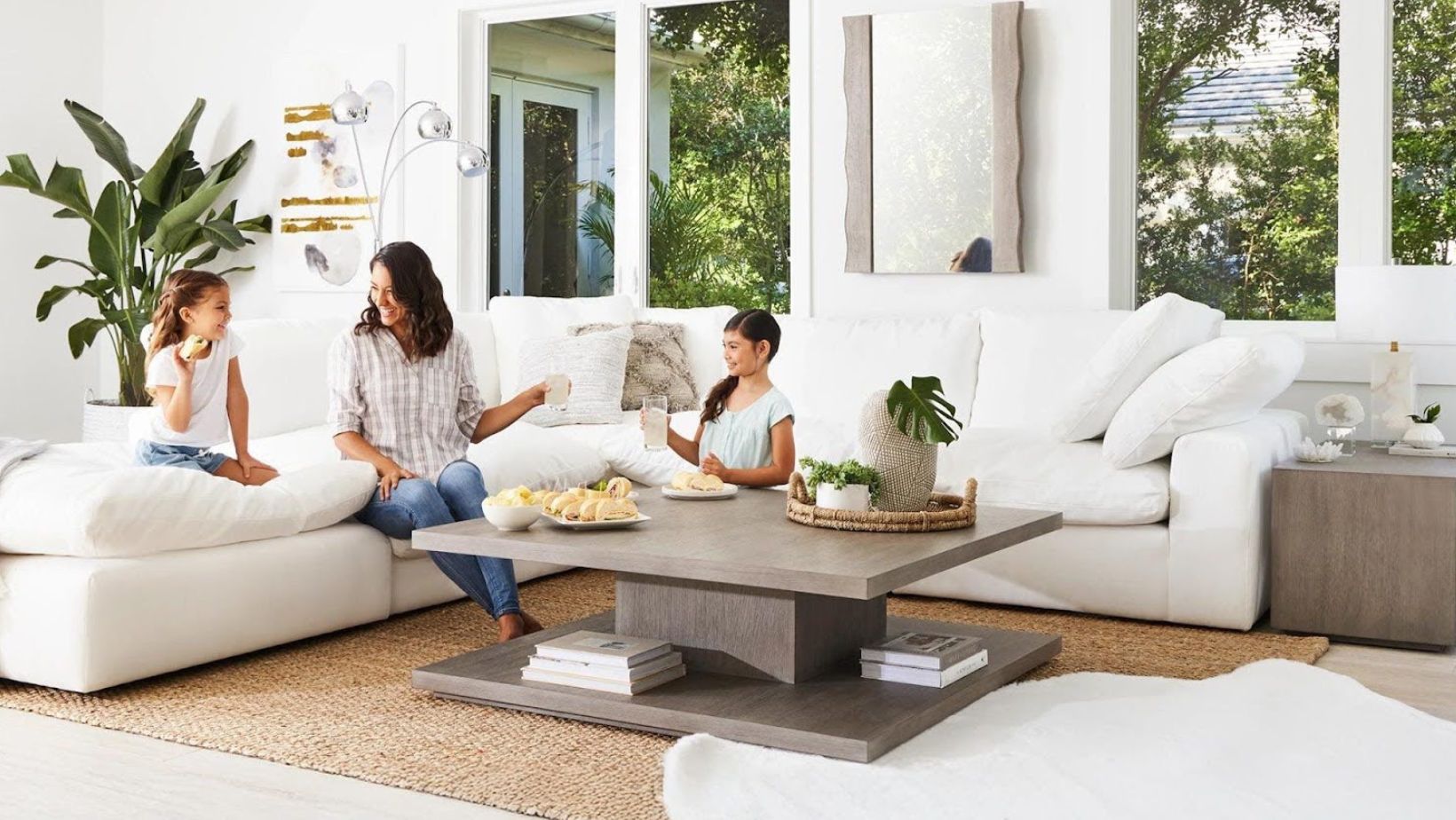
Most living rooms have something that draws the eye. It might be a large window, a fireplace, a TV, or a shelf filled with things you love. Your sectional can help frame this point so the room feels balanced.
If the focal point is the TV, angle the modules toward it without squeezing everything tightly around one spot. If it’s a window, give the view space to breathe. When the sofa works with the focal point instead of competing with it, the room settles into a more comfortable shape.
Common Modular Layouts and When to Use Them
Modular sectionals allow you to shape the room in different ways based on its size, the people who use it, and the mood you want to create.
L-Shape
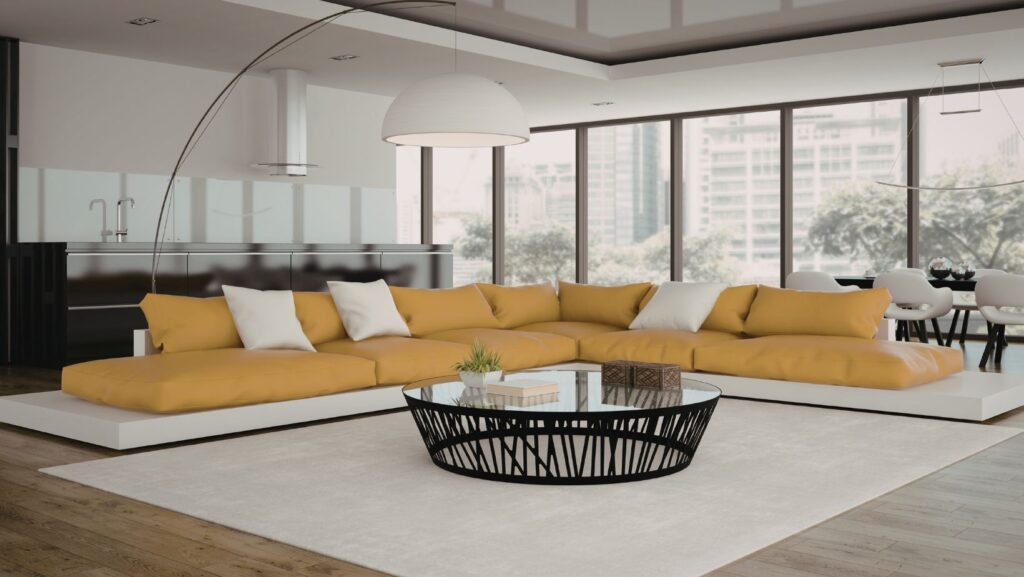
An L-shaped arrangement works well in corners or open-plan layouts. It creates a natural gathering space without closing the room. This shape is especially helpful in long rooms because it brings balance and direction.
U-Shape
A U-shaped layout suits large rooms or families who often sit together. It forms a cozy center that invites conversation. This shape also works well for movie nights, game nights, or any time you want everyone facing one another.
Chaise-End Arrangement
A chaise-end setup fits nicely in apartments or narrow rooms. It adds a comfortable lounging area without blocking walkways. This option works well when you need both seating and openness.
Separate Modules
Sometimes you may want to break the sectional apart. This keeps the room feeling light and airy. Separate modules help with flexible layouts, especially when the space serves multiple purposes throughout the day.
Give Your Sofa Enough Breathing Room
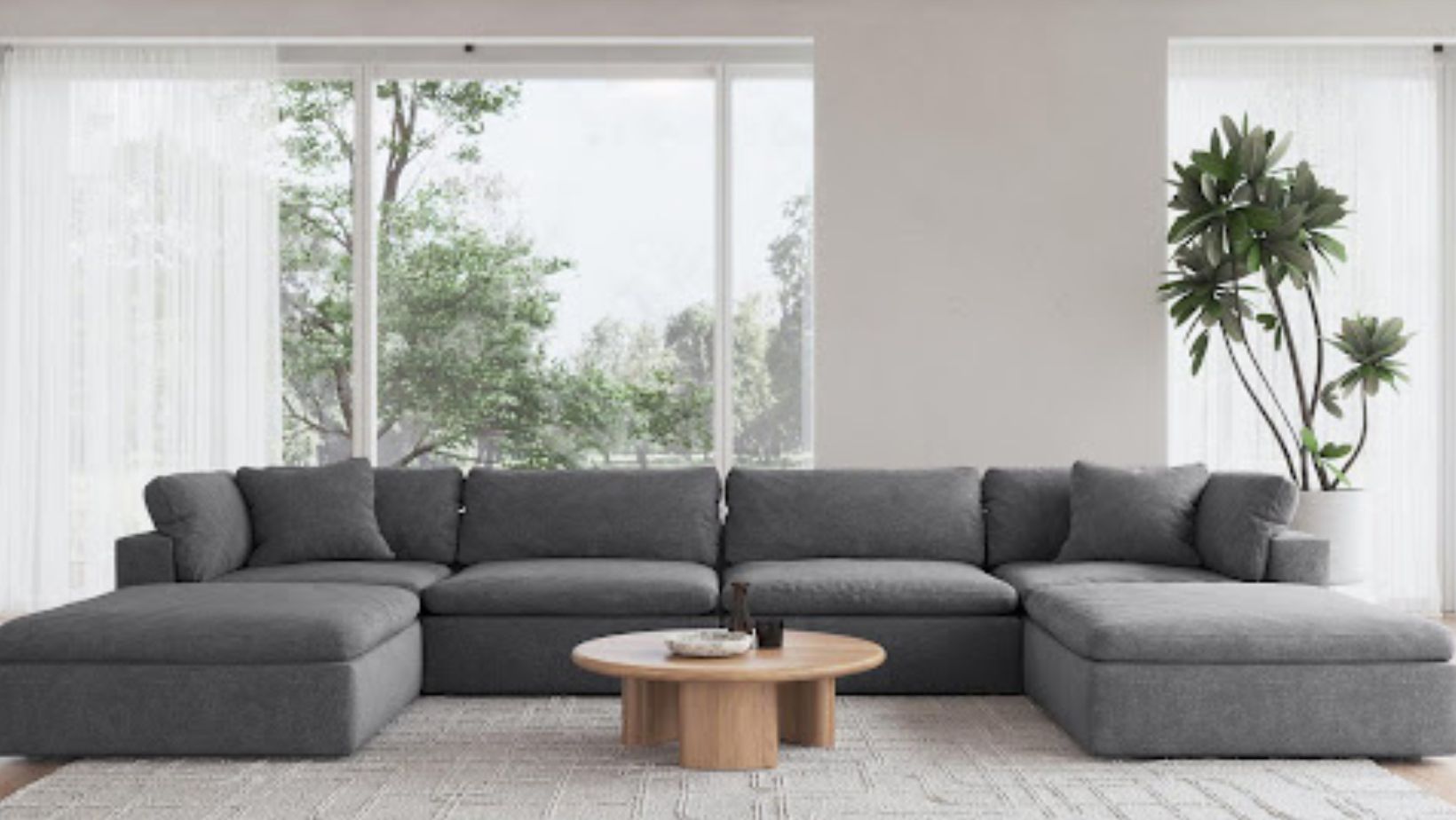
A room feels better when the furniture has space to breathe. Even a few inches can make a difference.
Try to leave clear walking paths around the sofa so people can move freely. Keep a comfortable distance between the sectional and the coffee table so legs and feet have room. If possible, avoid pushing everything tight against the walls. Pulling the sofa slightly forward can make the room feel more open and intentional. Breathing room reduces visual stress and makes the space feel more peaceful.
Consider Who Uses the Room Most
Your layout should support the people who spend the most time in the room.
- Families with kids may appreciate open areas where children can play.
- Pet owners may want soft corners near windows where pets like to nap.
- People who host guests often choose layouts that encourage conversation.
Modular sectionals help because you can shift the layout when routines change. For example, families often rearrange modules to create more floor space or adjust the seating for different activities. Washable modular sofas, like those from Sofatica, make it easier to maintain a fresh space even when life feels busy.
Use Lighting to Support the Layout
Lighting guides the mood of a room. The way you position your sectional can either help or block that light. Good lighting softens the room and makes the sectional feel more connected to the environment around it
Place the sofa where natural light feels warm and inviting. If the room lacks windows, use floor lamps or table lamps to create gentle pools of light around the seating area. Avoid placing large modules directly in front of important light sources. Instead, let the light shape the space naturally.
Final Thoughts
Arranging a modular sectional is not about following strict rules. It is about creating a space that feels good to live in. When you pay attention to movement, focal points, spacing, and the needs of your household, the room begins to fall into place. A modular sectional gives you freedom. You can adjust the shape as your life shifts, refresh the layout when the room starts to feel crowded, or separate modules when you want a lighter feel.
The best layout is the one that supports the people who gather there. With thoughtful placement and an understanding of how the room moves, your sectional can become a comfortable, calm center of your home.
About Author