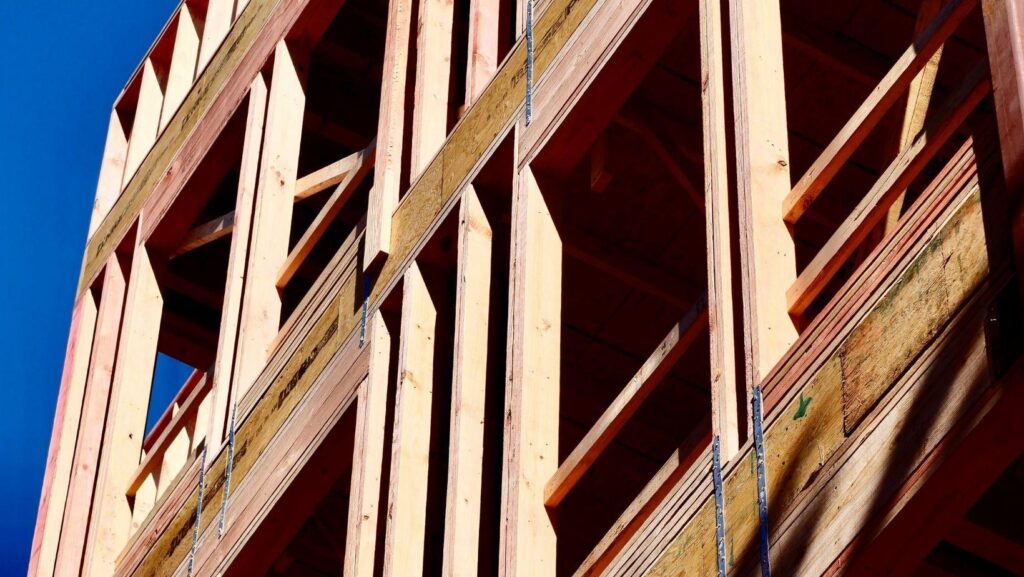
Sustainable materials are quickly moving centre stage in architecture as both environmental concerns and client preferences for greener options grow louder. Choosing the right materials makes a genuine difference, cutting down on energy use and carbon output, supporting healthier indoor spaces, and helping buildings last longer thanks to their durability.
From a business perspective, sustainable materials can save money in the long run and tend to attract clients who see sustainability as key to their identity or values. Materials like bamboo, recycled steel, and cross-laminated timber let architects get creative with design while still keeping the planet in mind. By embracing these options, architects are helping to create stronger communities and setting a high bar for responsible building practices.
Key Benefits and Attributes of Sustainable Materials
Sustainable materials stand out for their ability to be renewed or recycled, making a real difference to the environment. Bamboo grows astonishingly fast and remains surprisingly strong, providing both architectural flair and strength. Recycled steel and aluminium are also favourites, since they can be used again and again without draining fresh resources.
Cross-laminated timber (CLT) deserves a special mention, as it stores carbon within its structure, helping counteract climate change. The benefits go further than just what’s visible. Choosing sustainable materials can cut carbon emissions and boost air quality indoors. For example, using recycled aggregates in concrete keeps carbon output low, while low-VOC paints bring fewer toxins into living spaces, supporting well-being day after day.
All these factors highlight how sustainable materials aren’t just a tick on a checklist—they actually shape better spaces for both people and planet.
Popular Sustainable Materials in Use
Natural and Bio-based Materials
Bamboo and hempcrete are perfect examples of how plant-based building materials can be both adaptable and planet-friendly. Bamboo’s super-fast growth—ready for use in as little as three to five years—leaves traditional timber far behind. Along with its surprising strength and resilience, this speedy renewability means bamboo works well for everything from floors and cabinets to structural supports, all while helping to combat deforestation.
Hempcrete, which comes from the fibrous core of hemp plants, brings something different to the table. It’s light, breathable, and provides fantastic thermal and acoustic insulation. Even better, as hempcrete sets, it draws in carbon dioxide from the air, making it a carbon-negative material—a big win for anyone keen on cutting down a building’s environmental impact.
Using bamboo or hempcrete means relying more on renewable resources and boosting efforts to lock away extra carbon at the same time. Given that the building sector still drives a large chunk of the world’s carbon emissions, bringing these kinds of materials into mainstream use can speed up the shift to genuinely sustainable, greener construction.
Recycled and Reclaimed Materials
Recycled and reclaimed materials are front and centre in making construction more sustainable, giving us greener options instead of relying on raw resources. Take recycled steel: it can go round and round in the recycling loop without any drop in quality. Using it helps cut energy use, saves natural resources, and sharply lowers greenhouse gas emissions that come with new steel-making.
Reclaimed wood is another contender, as it takes timber from old buildings and gives it a new purpose. This limits the need to chop down more trees and means less waste ends up rotting in landfill. Both choices quickly rack up benefits beyond just cutting resource use – they keep more rubbish out of landfill, reduce overall pollution, and ease the demand for mining or logging.
There’s also the unique personality that comes with reclaimed wood or recycled steel. Materials like these often come with their own story or a hint of historic character, which can add extra visual appeal to any project. At the same time, they help push construction towards more environmental responsibility and a lighter impact on the planet.
Innovative and Emerging Materials
Mycelium, algae-based materials, and bioplastics are pushing boundaries in sustainable design in ways that would have sounded like sci-fi a decade ago. Mycelium—the root network of fungi—can be grown into different shapes, making it handy for insulation or packaging. It breaks down safely at the end of its life, so there’s no toxic mess left behind. Plus, it’s strong enough to genuinely swap out materials we’ve relied on for years, but without the environmental baggage.
Algae-based materials are also generating excitement, mainly because algae grow fast and don’t need good farmland to thrive. This means we can produce new resources without bumping into food supply issues. Algae can be made into everything from construction bio-composites to next-generation biofuels, cutting our dependence on fossil fuels and helping to shrink carbon footprints.
Bioplastics have a growing fan club, too. Sourced from plants like corn and sugarcane, these plastics break down more easily compared to traditional plastics—provided they’re processed under the right conditions. It’s a far better alternative for packaging and furniture, where plastic waste tends to pile up fast and linger even longer.
Bringing these fresh materials into mainstream use has real consequences: more innovation, less pollution, and a genuine chance to lower carbon emissions across the board. As scientists and designers keep tinkering, we’re likely to see more eco-friendly building and product options that don’t cost the earth or your wallet.
Integrating Sustainable Materials in Construction
Sustainable construction starts right at the drawing board. By thinking about eco-friendly goals from the first sketches, architects can make sure materials and methods are chosen with the planet in mind—opting for options such as timber lining solutions for sustainable architecture. Decisions made at this stage influence everything that follows—from keeping buildings energy efficient to making sure the air inside is healthy.
Teaming up with suppliers who genuinely care about sustainability is a smart move. Trustworthy suppliers don’t just deliver environmentally friendly products; they make sure those materials have the right certifications. Schemes like FSC aren’t there for show, either—they give confidence that wood, for example, comes from forests that are managed well and will keep thriving for generations.
By putting a spotlight on certified and responsibly sourced materials, construction projects tick more than just a sustainability box. They help protect nature, support transparency, and show clients and communities that responsible building isn’t just empty talk.
Challenges and Future Directions
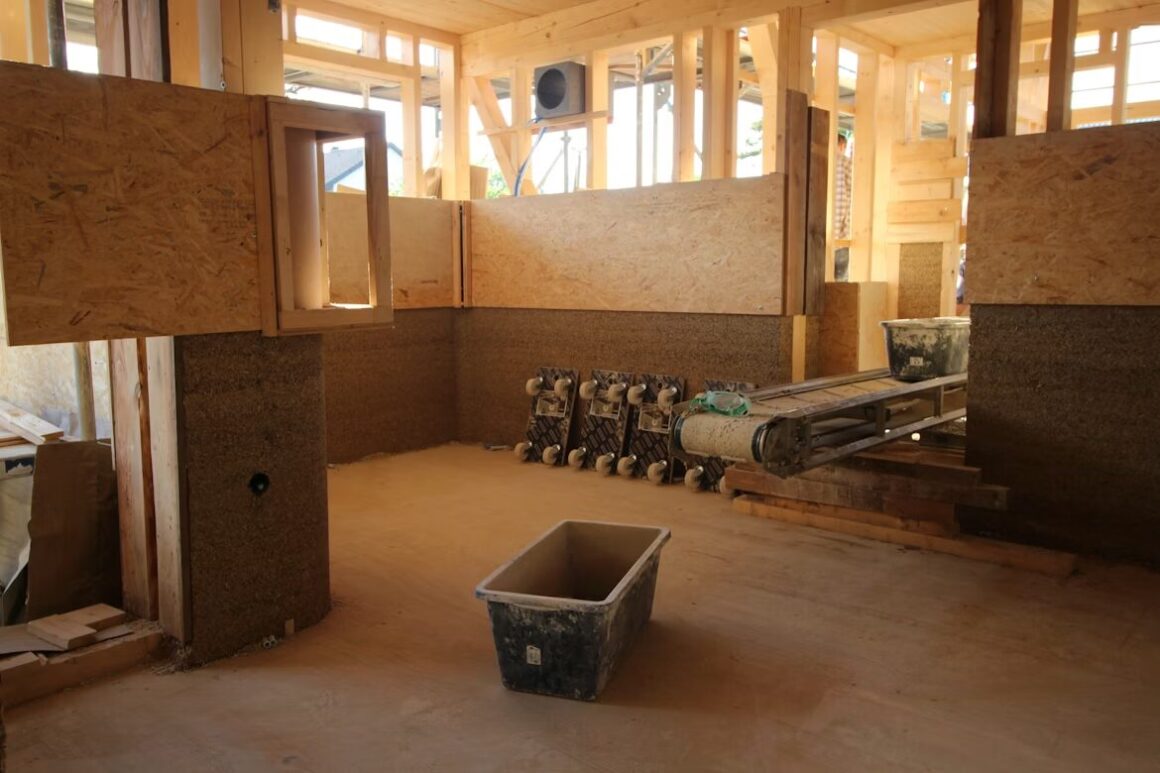
Getting sustainable materials into the construction industry is not always a smooth ride. Price is usually the first hurdle. It’s common for eco-friendly materials—whether clever composites or plant-based tech—to come with a steeper upfront bill, which might put builders off. Yet, this can pay off down the line: these materials often last longer, don’t need as much upkeep, and help slash energy bills.
There’s also the issue of supply. Not every region has easy access to sustainable products, which can push up costs or even make them impractical for a project. Sometimes, this means planners stick to familiar materials simply because eco options are hard to get hold of. And, let’s be honest, the building trade doesn’t always rush to embrace change. Old ways of working tend to stick, and it takes some real effort—think clear education and stronger rules—to encourage more green choices.
Looking ahead, there’s a lot to be hopeful about, thanks to new tech. Digital tools and artificial intelligence (AI) are rapidly reshaping how materials and buildings are designed with the environment in mind. AI, for example, can make it much easier to pick the right materials and tweak designs so that buildings use less energy and produce fewer carbon emissions. Tools like Building Information Modeling (BIM) and digital “twins” add even more value by keeping an eye on a building’s performance in real time, and even spotting maintenance issues before they become headaches.
With AI-driven generative design, material waste could be cut dramatically while still ticking all the structural boxes. Exciting new advances, like urban mining and climate-responsive materials, signal that sustainable construction is set for yet another leap. It’s technology and fresh thinking—not just rules and incentives—that will help the building sector shake off old obstacles and move closer to a truly sustainable future.
Actionable Insights for Sustainable Building
Balancing eco-friendly materials with financial sense is one of the trickier parts of sustainable architecture. Materials like bamboo, recycled steel, and cross-laminated timber are popular for a reason—they don’t just lighten a project’s environmental load, they can also be easier on the wallet in the long run. Yes, the initial price tag might turn a few heads, but these materials tend to last longer and don’t need as much work over the years, which means fewer repair headaches and lower replacement bills.
Take recycled steel, for example. It doesn’t just help shrink your project’s carbon footprint—its use cuts down energy requirements, leads to lower greenhouse gas emissions, and makes construction more efficient, all of which can give project owners better results for their investment.
Fresh ideas are transforming sustainable building at a rapid pace. Emerging options like bio-based products and 3D-printed building parts made from recycled plastics keep pushing what’s possible. Architects who make an effort to stay up to date—whether that’s through workshops, newsletters, or industry networks—find themselves with more choices and smarter solutions for tough projects. This extra knowledge also comes in handy when persuading clients about the knock-on budget and environmental gains that come with greener building methods.
Moving sustainable architecture forward means using materials that make sense both financially and environmentally, and making ongoing learning part of the job. By finding the sweet spot between green ambitions and cost, and keeping an eye out for new ideas, architects can help shape a truly sustainable future for everyone.
About Author