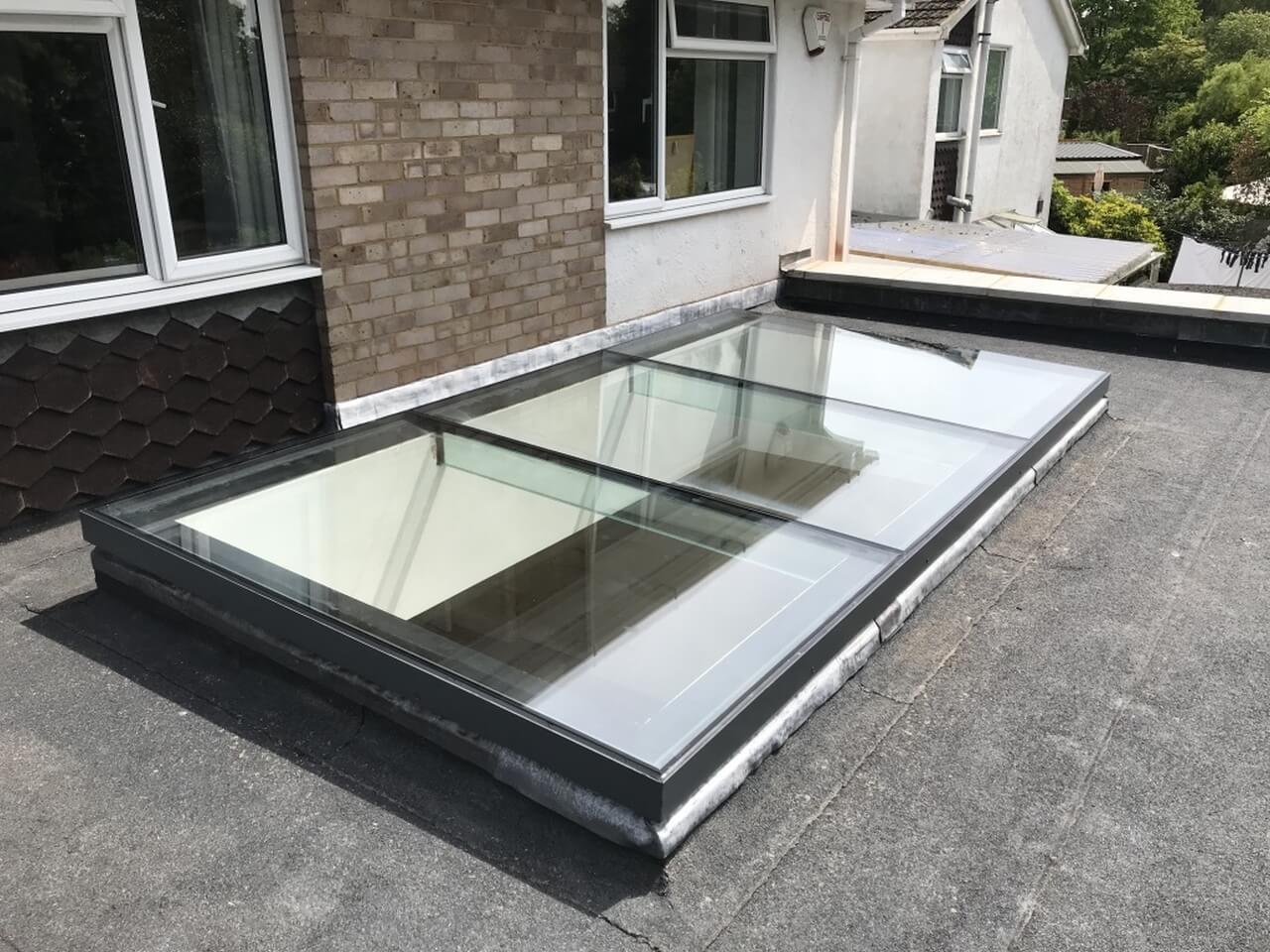
Flat roofs have made a quiet comeback—on rear extensions, garden studios, loft conversions, and contemporary new builds. But the real transformation often isn’t the roofline itself; it’s what you do with it. A well-chosen flat roof window can turn a dim, inward-facing space into the brightest room in the house, and it can do it without sacrificing insulation, acoustics, or weather performance.
The challenge is that “a rooflight is a rooflight” thinking rarely ends well. Glazing on a flat roof behaves differently to vertical windows: it receives higher solar load, can create glare at certain angles, and has to deal with standing water, debris, and wind-driven rain. So which type is right—and where does each work best?
Start with the space, not the product
Before you compare shapes and opening mechanisms, it helps to diagnose what the room actually needs. Are you trying to:
- bring daylight deeper into a plan,
- add ventilation to control moisture or cooking fumes,
- make a design statement,
- keep a roof terrace usable,
- or meet a practical constraint like limited upstand height?
One useful rule of thumb from daylighting guidance (often echoed in building design best practice) is that the quality of light matters as much as the quantity. Overhead glazing tends to deliver more even illumination across a room than a similarly sized vertical window, but it can also increase summer overheating if orientation and solar control are ignored. Keep that balance in mind as we run through the main options.
Type 1: Fixed flat glass rooflights (non-opening)
Where they work best: living rooms, dining areas, home offices
Fixed flat glass rooflights are the modern default for good reason. They sit relatively low and clean to the roof, deliver strong daylight, and—because they don’t open—often have simpler detailing and excellent weather tightness.
They’re especially effective in single-storey rear extensions where the original house blocks side windows. Put one above a dining table or seating zone and you’ll feel the change immediately: brighter surfaces, fewer “cave corners,” and less reliance on daytime artificial lighting.
Watch-outs: In south- or west-facing positions, specify solar control glazing (or consider external shading) to reduce overheating. Also pay attention to glass specification: look for robust laminated inner panes for safety, and check U-values so you’re not trading daylight for heat loss.
Type 2: Opening (vented) flat roof windows
Where they work best: kitchens, bathrooms, utility rooms
If you’ve ever cooked in an extension that looks great but traps heat and smells, you already know why opening rooflights matter. Warm air rises, and high-level ventilation is one of the most effective ways to purge moisture and odours quickly—particularly in kitchens and bathrooms where condensation risk is highest.
Manual opening units work fine when you can reach them (or use a winding pole). For higher ceilings or frequent use, electric or solar-powered opening can be a quality-of-life upgrade, especially when paired with rain sensors so you’re not sprinting home in a downpour.
When you’re comparing options, it can help to browse specialist ranges of natural daylight windows for flat roof spaces to see how different opening styles, glazing builds, and kerb details are handled—those specifics tend to determine long-term comfort more than the headline size.
Watch-outs: Think about where the air will enter as well as exit. An opening rooflight works best with a lower-level opening window or door to create a gentle through-draught (stack effect), rather than just recycling warm air in the same zone.
Type 3: Roof lanterns (pitched glazed structures)
Where they work best: statement areas—kitchen islands, stair halls, large extensions
A roof lantern is essentially a raised glazed structure with pitched sides, designed to throw light wide and create a focal point. In spaces with higher ceilings or larger footprints, lanterns can feel more architectural than a flat pane, and they can help distribute daylight across the room by refracting light from multiple angles.
They’re particularly effective above a kitchen island or central circulation area where you want daylight to “spill” outwards. In a stair hall, a lantern can make vertical circulation feel less like a corridor and more like part of the home’s living space.
Watch-outs: Lanterns introduce more frame area than a single flat unit, so compare thermal performance carefully. Good modern systems can still be efficient, but don’t assume. Also consider cleaning access—those ridges and angles can collect debris in exposed locations.
Type 4: Walk-on rooflights (trafficable glazing)
Where they work best: roof terraces, patios over basements, light to rooms below
Walk-on rooflights are the problem-solvers of the category. They let you borrow light for a room below while keeping the surface above usable—ideal for basement conversions, lower-ground-floor kitchens, or rooms tucked under a terrace.
Installed flush (or near-flush) with the finished surface, they can bring daylight into spaces that would otherwise rely on lightwells or artificial lighting. The best ones disappear visually, which is often exactly the point.
Watch-outs: This is not the place to cut corners. You’ll need the right structural specification for loads, anti-slip surface treatment where required, and careful detailing to avoid trip edges and water pooling. Think about privacy too: if the room below is a bathroom or bedroom, you may want obscured or fritted glazing.
Type 5: Domed or pyramidal rooflights (often polycarbonate)
Where they work best: garages, workshops, commercial spaces, flat roofs prone to pooling
Domed and pyramidal rooflights have been around for decades, and they still earn their keep in the right context. The raised shape helps shed water and debris, which can be a real advantage on large flat roofs where ponding is a concern. They’re also commonly used on commercial and industrial buildings because they can deliver broad ambient light at relatively low cost.
In domestic settings, they can make sense for garages, utility rooms, or outbuildings where you want robust daylighting without making the roof a design feature.
Watch-outs: Thermal performance and acoustics vary widely, and some older-style domes can be noisy in rain. If you’re using them on a habitable room, check insulation values and consider how the appearance fits with the rest of the build.
Choosing well: a quick decision framework
Most missteps come from focusing on size and forgetting the lived experience. Before you commit, sanity-check these practical points:
- Orientation: south and west get stronger solar gain; north gives softer, more consistent light.
- Glare control: consider diffused/opal glazing or internal blinds for screens and TVs.
- Ventilation strategy: opening rooflight plus a lower opening is far more effective than either alone.
- Thermal and acoustic spec: compare U-values and laminated glass options, especially near flight paths or busy roads.
- Maintenance access: think about cleaning, leaf build-up, and how you’ll reach the glazing safely.
The bottom line
Flat roof windows aren’t one-size-fits-all. Fixed units excel at clean, quiet daylight. Opening rooflights solve comfort issues in moisture-heavy rooms. Lanterns add drama and spread light in larger footprints. Walk-on glazing unlocks light to basements without sacrificing outdoor space. Domed options remain practical workhorses for tougher roof conditions.
If you match the type to the room’s job—and respect the details that affect heat, glare, and ventilation—you’ll get more than a brighter space. You’ll get a room that feels naturally comfortable in daily use, not just impressive on completion day.
About Author