A home renovation is one of the best opportunities to add an indoor sauna. The walls are already open, contractors are already on site, and running new electrical or plumbing lines is far less disruptive mid-renovation than it would be in a finished home. But adding a sauna isn’t as simple as picking a room and ordering a kit.
The choices you make before construction begins can significantly influence the sauna’s comfort, reliability, and overall project expenses. Since the sauna heater determines how the sauna generates and maintains heat, it is one of the most critical components to consider during planning. Remember, the best sauna heater is one that aligns with your sauna room dimensions, heating preferences, and frequency of use.
Here are the main considerations to work through before construction is underway.
Choose the Right Location First
Where the sauna is installed plays a major role in the overall design. The chosen space must support the necessary electrical requirements, provide adequate ventilation, and tolerate the heat and humidity generated during use.
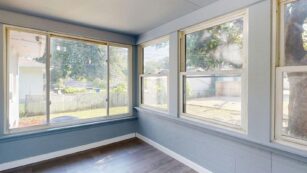
Bathrooms and basement spaces are popular choices because drainage and moisture management are already part of the design. A spare bedroom or unused storage room can also work, but the floor, walls, and ceiling will need appropriate treatment to handle the conditions inside a sauna.
A few things to confirm before committing to a location:
- Ceiling height: Most saunas need a minimum ceiling height of around seven feet to allow proper heat stratification. Lower ceilings reduce comfort and make bench placement awkward.
- Floor load: A fully built sauna with a stone heater is heavy. Confirm the floor can support the weight, particularly on upper levels.
- Proximity to an exterior wall: Useful for ventilation and makes it easier to run an exhaust line without long duct runs through finished spaces.
- Access to plumbing: Not essential for a dry sauna, but useful if a shower or floor drain is planned nearby for post-sauna cooling.
Understand the Electrical Requirements Early
This is where many homeowners get caught off guard. A sauna heater draws significant power, typically between 4kW and 9kW for a home unit, and requires a dedicated circuit. That circuit needs to be sized correctly for the heater, run from the main panel, and installed by a licensed electrician.
If the renovation is already involving electrical work, coordinate with the electrician early. Running the sauna circuit at the same time as other electrical work keeps costs down and avoids tearing into finished walls later.
Also, factor in the control panel. Most modern electric sauna heaters use a separate controller mounted outside the sauna room, which needs its own wiring run. Clarify this with the heater manufacturer or supplier before the rough-in stage so that nothing gets missed.
Insulation and Vapor Barriers Matter More Than Most Realize
A sauna generates sustained heat and humidity. A lack of effective insulation and vapor control can allow moisture to accumulate within the surrounding structure, potentially causing mold, wood rot, and premature deterioration.
The vapor barrier goes on the warm side of the insulation, facing the interior of the sauna. This keeps moisture from working its way outward into the building structure. The insulation itself should be rated for high-temperature environments. Standard residential insulation works in most cases, but confirm the specification with the contractor before it goes in.
The ceiling is the most important area to get right. Heat rises, and the ceiling takes the most sustained exposure to high temperature and moisture. Cutting corners here tends to show up as problems within a few years.
Pick the Right Interior Materials
Everything inside a sauna needs to tolerate high heat and repeated moisture cycling without warping, cracking, or off-gassing. The material choices made during renovation determine how the sauna holds up over the years of use.
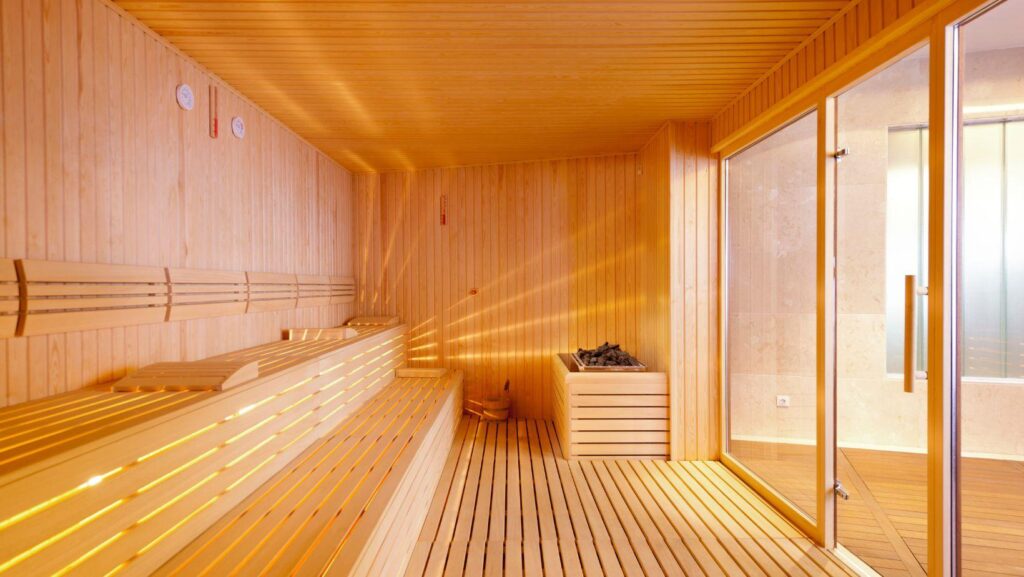
Cedar is the most popular choice for benches, wall panels, and ceiling lining. It handles the conditions well, resists moisture absorption, stays relatively cool to the touch even at high temperatures, and has a natural appearance that suits most interiors. Hemlock and aspen are solid alternatives for those who prefer a lighter wood tone.
Avoid treated lumber, MDF, plywood with standard adhesives, and anything with synthetic coatings inside the sauna. When exposed to high temperatures, these materials can emit compounds that range from unpleasant to potentially harmful.
Factor in Ventilation From the Start
A sauna needs fresh air coming in and stale air moving out. Without adequate ventilation, air quality can decline rapidly and heat may become uneven throughout the sauna. It also accelerates moisture buildup in the structure surrounding the sauna.
The inlet vent typically sits low on the wall near the heater. The exhaust vent goes on the opposite wall, positioned higher up. This creates a circulation path that draws fresh air across the room and exhausts warm, humid air out. The sizing and placement of these vents should be confirmed against the heater manufacturer’s recommendations for the specific room volume.
Set a Realistic Budget
The cost of adding an indoor sauna during a renovation can vary widely based on its size, heater selection, construction materials, and the extent of electrical and structural modifications required. A basic pre-cut kit installed in a prepared room is a very different cost from a fully custom-built sauna with premium cedar, a high-output heater, and a dedicated changing area.
As a general principle, budget separately for:
- The sauna kit or custom materials
- Electrical work including the dedicated circuit and panel upgrades if needed
- Structural preparation including insulation, vapor barrier, and framing
- Finishing elements such as lighting, door, and accessories
Getting quotes for each category separately makes it easier to identify where costs are running high and where adjustments can be made without compromising the overall result. SaunaHeaters.com helps homeowners find the right sauna heater for their space while providing information on installation, sizing, and overall project costs.
Final Thought
Building an indoor sauna during a renovation is the kind of upgrade that keeps rewarding homeowners long after the work is done.
Early decisions regarding placement, electrical infrastructure, insulation, and building materials can have a lasting impact on the success of the project. Get those fundamentals right, and the sauna will perform well and last for a long time.
Author Bio
John is the YouTube lead and resident sauna enthusiast at SaunaHeaters.com. He creates educational videos and written guides covering sauna health benefits, proper installation, ventilation, and best practices. His goal is to make sauna ownership simple, safe, and approachable through clear, practical guidance.
About Author