Seattle’s skyline is constantly changing. New residential developments, mixed-use communities, commercial buildings, and infrastructure projects continue to reshape neighborhoods throughout the region. As the city grows, architects, developers, and construction teams face increasing pressure to communicate project progress clearly and efficiently.
While architectural drawings, renderings, and project reports remain essential tools, visual documentation has become an increasingly important part of the design and construction process. Photography, videography, and drone imagery are helping professionals capture project milestones, improve stakeholder communication, and create lasting records of how buildings evolve from concept to completion.
Today, visual documentation is no longer reserved for project marketing after construction is complete. It has become a valuable resource throughout every stage of development.
As visual communication becomes more important in architecture and construction, companies such as Peak3 Visuals have demonstrated how photography, videography, and aerial imagery can support project transparency and collaboration. Industry professionals can also view project examples to better understand how visual documentation contributes to modern development workflows.
Why Visual Documentation Matters in Modern Architecture
Architectural projects involve multiple stakeholders. Architects, engineers, contractors, developers, investors, city officials, and community members often need access to project updates and progress reports.
While technical documents provide detailed information, they are not always easy for every stakeholder to interpret. Visual documentation helps bridge that gap by presenting information in a format that is more accessible and easier to understand.
A single photograph can provide immediate context about site conditions, construction progress, material installation, or design implementation. Video content can demonstrate project milestones in ways that traditional reports cannot.
As a result, many development teams are incorporating visual documentation into their project management and communication strategies from the earliest planning stages through final completion.
The Expanding Role of Architectural Photography
Architectural photography has traditionally been used to showcase completed projects. Professional images help firms build portfolios, attract clients, and highlight design achievements.
However, the role of architectural photography has evolved significantly in recent years.
Many architecture firms now document projects throughout the construction process. Site preparation, structural milestones, exterior completion, interior finishes, and final occupancy can all be captured through professional photography.
This creates a comprehensive visual history of the project while providing valuable resources for future marketing, case studies, presentations, and project reviews.
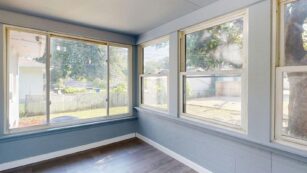
Photography also helps document important design details that may not be fully appreciated through plans and renderings alone. Materials, textures, lighting conditions, and spatial relationships can often be better understood through high-quality imagery.
How Drone Technology Is Transforming Project Documentation
One of the most significant advancements in visual documentation has been the widespread adoption of drone photography and videography.
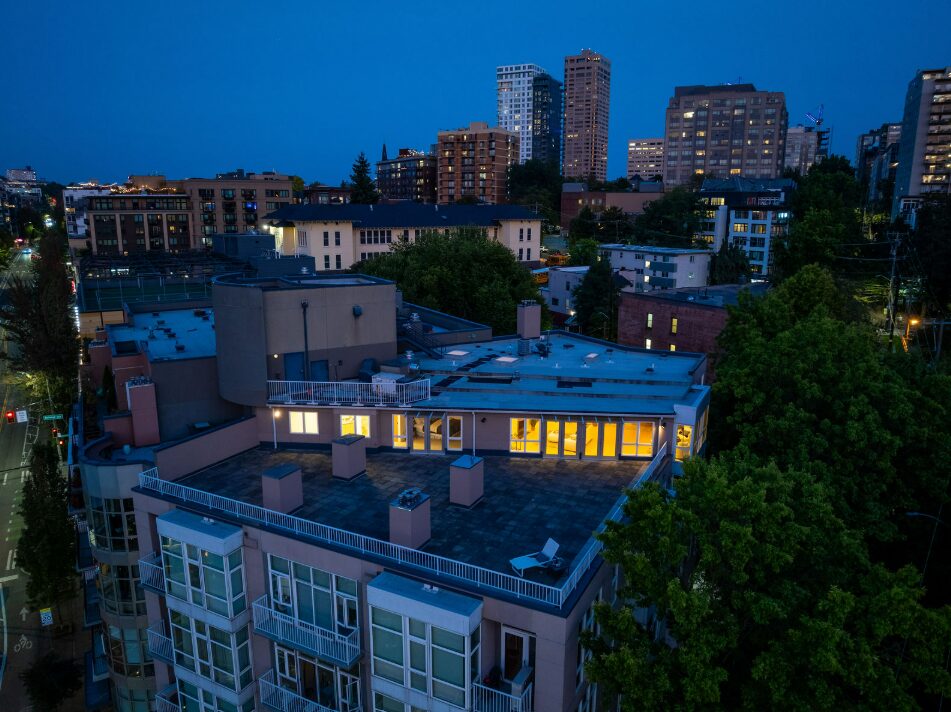
Drone technology allows project teams to capture perspectives that were once difficult or expensive to obtain. Aerial imagery provides a broader view of construction sites, surrounding developments, transportation networks, and environmental conditions.
For architects and developers, this perspective can offer valuable insights into how projects interact with the surrounding built environment.
Seattle’s dense urban landscape creates unique opportunities for aerial documentation. Waterfront developments, commercial districts, mixed-use communities, and infrastructure projects can all benefit from drone imagery that captures both detail and context.
In addition to documenting progress, drone photography is increasingly being used during planning and design phases to evaluate sites and support project visualization.
Visual Storytelling in Design and Development
Architecture is about more than buildings. It is about creating spaces that serve communities, support businesses, and improve everyday experiences.
As a result, many firms are embracing visual storytelling as part of their project communication strategy.
Visual storytelling combines photography, videography, and project narratives to communicate the purpose and impact of a development. Rather than simply showing what a building looks like, it helps explain why the project matters.
This approach can be particularly valuable when presenting projects to investors, stakeholders, community groups, and potential clients.
By documenting the journey from initial concept through final completion, design teams can create a more engaging and meaningful project narrative.
Improving Collaboration Across Project Teams
Large construction projects often involve dozens of organizations working together over extended periods. Effective communication is essential for maintaining schedules, managing expectations, and addressing challenges.
Visual documentation provides a shared reference point that helps align project participants.
Construction progress photos, drone imagery, and video updates allow stakeholders to review conditions remotely and stay informed about project developments.
These visual records can also support project reviews, planning discussions, and internal reporting efforts.
When all parties have access to clear and consistent documentation, collaboration becomes more efficient and informed.
Seattle’s Continued Growth Is Driving Demand
The Seattle metropolitan area continues to experience significant development activity. Commercial projects, residential communities, infrastructure improvements, and mixed-use developments are transforming neighborhoods throughout Seattle, Bellevue, Redmond, Kirkland, and surrounding cities.
As project complexity increases, the demand for reliable documentation continues to grow.
Developers are looking for ways to maintain transparency, preserve project histories, and communicate progress effectively to stakeholders.
Visual documentation offers a practical solution by creating organized records that can be referenced throughout the life of a project.
These records often become valuable long after construction is complete, serving as portfolio assets, case studies, marketing resources, and historical documentation.
Technology Continues to Expand Possibilities
Advancements in cameras, drones, editing software, and digital asset management systems are making visual documentation more effective than ever before.
High-resolution imagery, time-lapse video, aerial perspectives, and cloud-based storage solutions allow organizations to create and manage comprehensive project records.
As technology continues to evolve, visual documentation will likely become even more integrated into architectural and construction workflows.
The ability to capture, organize, and share visual information efficiently is becoming an important advantage for firms operating in competitive markets.
Looking Ahead
The future of architecture and construction will continue to be shaped by innovation, collaboration, and communication. Visual documentation supports all three.
Photography, videography, and drone imagery are helping architects and developers communicate more effectively, document progress more accurately, and tell more compelling project stories.
As Seattle and Bellevue continue to grow, visual documentation is expected to play an increasingly important role in how projects are planned, managed, and presented.
Organizations that invest in professional visual documentation today are not only preserving project history. They are creating valuable resources that support transparency, collaboration, and long-term success.
Peak3 Visuals is a Seattle-based commercial video production company serving Seattle, Bellevue, Redmond, Kirkland, Everett, Lynnwood, and Tacoma. The company works with developers, contractors, architects, and real estate professionals, providing commercial video production, drone photography, real estate media, and construction documentation services throughout Washington State.
About Author