Custom home construction is about more than designing a beautiful house. A well-planned custom home should support the way the family lives, respond to the site, perform efficiently through changing seasons, and be built with enough care that the structure, systems, and finishes work together for years to come. For homeowners planning a new build, working with a team experienced in custom home construction can help connect design decisions with budget, buildability, and long-term performance.
Modern homeowners are paying closer attention to energy efficiency, indoor comfort, long-term operating costs, and the overall quality of the building process. That makes early planning especially important. The strongest custom home projects usually begin with a clear connection between design, estimating, construction planning, and project management.
When these parts are coordinated from the beginning, homeowners can make better decisions before construction starts. Design choices can be reviewed for cost, buildability, energy performance, durability, and site conditions before they become expensive changes later in the project.
Why Energy Efficiency Should Be Planned Early
Energy efficiency is most effective when it is considered from the first stages of design. The building envelope, insulation, windows, air tightness, ventilation, heating, cooling, and orientation of the home all affect how the finished house performs.
If these decisions are left until later, the project can become harder to coordinate. Some upgrades may cost more, some may not work as well, and some may require design changes that could have been avoided with earlier planning.
This is why many custom home projects now borrow principles from Passive House and Net Zero construction, even when the homeowner is not pursuing formal certification. The goal is a home that is comfortable, durable, efficient, and thoughtfully built around long-term performance.
The Value of a Design-Build Approach
A custom home involves hundreds of decisions. Some are visible, such as layout, exterior materials, cabinetry, lighting, and finishes. Others are less visible but just as important, including structure, drainage, mechanical systems, air sealing, and construction sequencing.
When design and construction are handled separately, practical issues can appear late in the process. A home may look strong on paper, but the builder may later identify cost, access, material, or buildability concerns. This can create delays, budget pressure, or redesign work.
A design-build approach helps reduce this risk by bringing design, estimating, and construction knowledge into the process earlier. The purpose is not only to create a strong design but to make sure the plan can be built with clear communication, accurate costing, and proper execution.
Transparent Costing Matters in Custom Home Projects
Budget uncertainty is one of the biggest concerns for homeowners planning a custom build. Early estimates based solely on general assumptions can be misleading, especially when the project involves energy-efficient features, complex site conditions, or a highly customized design.
Detailed project costing helps homeowners understand how design choices affect the overall project cost. It also helps the team make adjustments before construction begins, when changes are usually easier to manage.
For high-performance homes, this is especially important. Better windows, envelope details, mechanical systems, insulation strategies, and airtight construction all require coordination. These items should be planned as part of the full project, not treated as separate upgrades at the end.
Every Custom Home Should Respond to Its Site
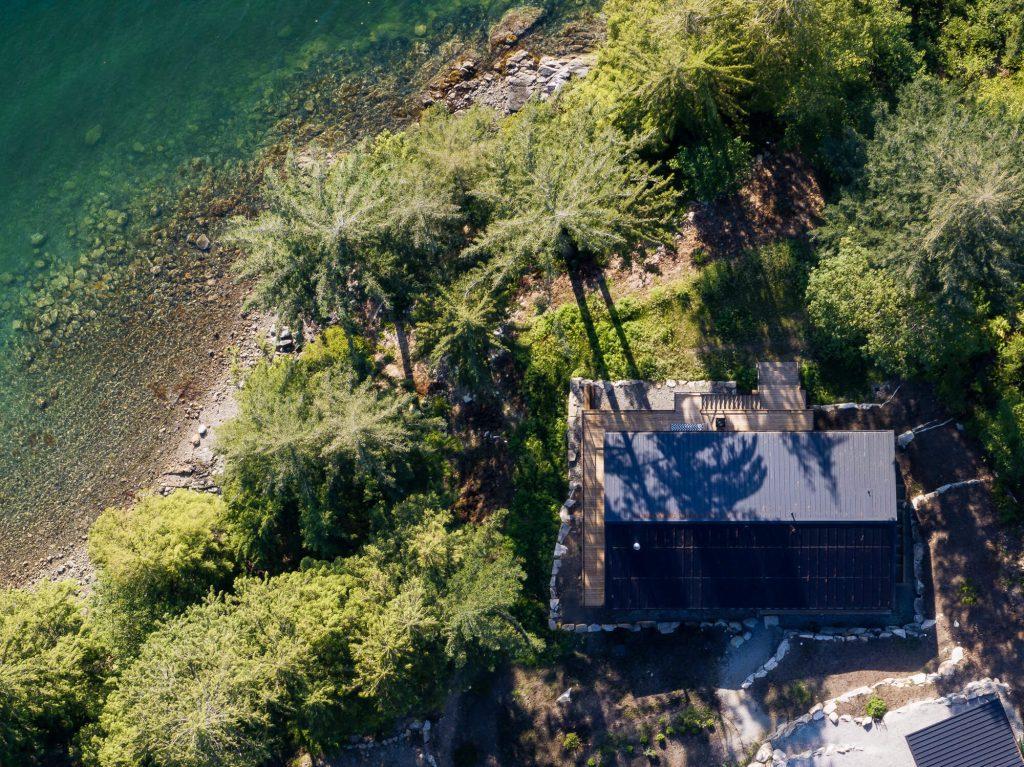
The site has a major influence on the design and construction process. A mountain property, waterfront lot, forested site, steep slope, urban infill lot, or remote island location can each create different planning requirements.
Access, weather exposure, views, utilities, drainage, material delivery, staging, and crew logistics can all affect the project. On remote or island sites, transportation and scheduling can become just as important as the design itself.
This is why strong planning begins with more than the floor plan. The construction team needs to understand how the home will be built, how materials will arrive, where work will be staged, and what site-specific risks need to be addressed before construction begins.
Passive House and Net Zero Thinking
Passive House and Net Zero construction are often discussed in technical language, but the homeowner benefits are practical. These approaches can help create homes that are more comfortable, more consistent, and more efficient to operate.
Passive House principles focus on reducing energy demand through airtight construction, high levels of insulation, quality windows, reduced thermal bridging, and reliable ventilation. Net Zero planning focuses on reducing energy use and balancing it with renewable energy production over time.
Even when a project does not pursue certification, these principles can improve the way a custom home is designed and built. They encourage better planning, tighter coordination, and more careful attention to the details that affect long-term performance.
What Homeowners Should Ask Before Choosing a Builder
Choosing a custom home builder should involve more than reviewing photos of finished projects. A strong builder should be able to explain how they plan, estimate, manage, communicate, and solve problems throughout the project.
Before moving forward, homeowners should ask:
These questions help reveal how organized the process will be. A custom home is too important to rely only on general promises. Homeowners need a clear system, a realistic budget process, and a team that can connect design intent with construction reality.
Building a Home That Performs Over Time
A successful custom home should not only look good when it is finished. It should feel comfortable, function well, use energy responsibly, and hold up through daily use and seasonal changes.
The best results usually come from careful planning, transparent costing, practical design decisions, and skilled construction. Energy-efficient design, Passive House principles, Net Zero thinking, and remote-site experience all point to the same larger idea: a custom home should be planned as a complete system.
When design and construction work together from the beginning, the result is a home that is easier to manage, better aligned with the owner’s goals, and more prepared for long-term performance.
About Author