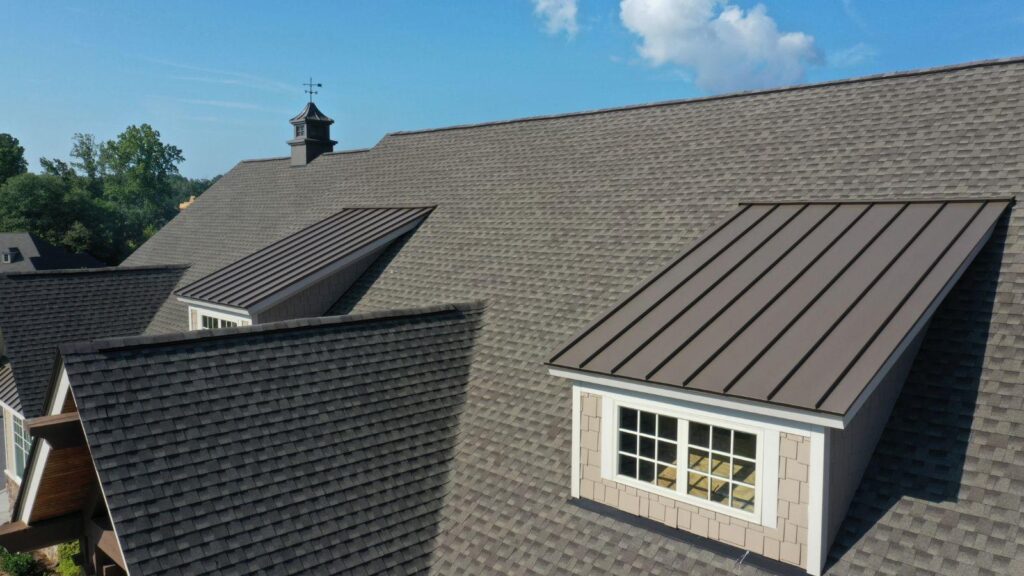
A house is more than just a structure; it is a reflection of personal style and a vital shield against the elements. Many people view a new top layer as a simple repair, but it serves as a powerful tool for a complete home exterior transformation. Selecting the right materials can elevate curb appeal while ensuring long-term durability.
When considering residential roofing, local climate factors play a significant role in performance. Choosing high-quality Maryland roofing materials helps protect against seasonal storms and humidity. This decision impacts both the aesthetic character and the structural integrity of the property.
Effective roof replacement planning requires a balance between budget, architectural design, and material longevity. By exploring various roof replacement options for Maryland homeowners, families can make informed choices that add lasting value. A thoughtful approach turns a necessary maintenance task into a rewarding investment in the future of the house.
- Understand how material selection influences both visual appeal and weather protection.
- Learn the importance of aligning architectural style with durable, climate-appropriate products.
- Discover how strategic planning maximizes the value of your investment.
Roof Replacement Options for Maryland Homeowners That Suit the Local Climate
Maryland homeowners face unique challenges when choosing materials that can withstand the state’s diverse weather patterns. Selecting the right system involves more than just picking a color or style. It requires a deep understanding of how specific products perform under local environmental stress.
By focusing on Maryland climate roofing solutions, residents can ensure their homes remain protected for decades. Making an informed choice today prevents costly repairs and premature replacements in the future.
How Maryland’s Weather Influences Roofing Material Selection
The Mid-Atlantic region experiences a wide range of conditions throughout the year. Hot, humid summers often give way to freezing winters, creating significant thermal expansion and contraction for building materials.
High winds and heavy rainstorms also test the integrity of a roof. Materials must be rated to handle these sudden shifts to prevent leaks and structural damage. Choosing a system that resists moisture buildup is essential for preventing mold and rot in the attic space.
Comparing Architectural Shingles, Metal Roofing, and Slate
Homeowners typically choose between three primary materials when planning a replacement. Each option offers distinct benefits regarding durability and visual appeal.
|
Material |
Lifespan |
Maintenance |
Best For |
|
Architectural Shingles |
20-30 Years |
Low |
Budget-conscious |
|
Metal Roofing |
50+ Years |
Very Low |
Extreme Weather |
|
Slate Roofing |
75-100 Years |
Moderate |
Historic Homes |
Architectural shingles remain the most popular choice due to their versatility and affordability. They provide a dimensional look that mimics wood shakes while offering solid protection against wind.
Metal roofing has gained traction for its incredible durability and energy efficiency. It reflects solar heat during the summer, which helps lower cooling bills. Meanwhile, slate roofing provides an unmatched, timeless aesthetic for luxury properties. While it is the heaviest option, its longevity makes it a premier investment for long-term homeowners.
Balancing Longevity, Maintenance, and Installation Costs
Evaluating roofing installation costs requires looking beyond the initial price tag. A cheaper material might seem attractive, but it could lead to higher maintenance expenses over time.
Homeowners should prioritize lifecycle value when comparing quotes. Investing in premium materials often reduces the frequency of professional inspections and minor repairs. This approach ensures that the roof remains a reliable shield against the elements rather than a recurring financial burden.
Exterior Styles That Make a New Roof Look Intentional
A new roof does more than protect a home; it defines the entire exterior aesthetic. When homeowners choose materials that harmonize with their existing architecture, the result is a polished and deliberate appearance. Thoughtful planning ensures that the roof serves as a beautiful extension of the home’s overall character.
Matching Roof Color to Brick, Siding, and Trim
Effective roof color selection relies on balancing the tones of your home’s primary features. If your house features warm-toned brick, earthy browns or deep grays often create a balanced look. For homes with cool-toned siding and trim, slate grays or blacks provide a crisp, modern contrast.
Consider the undertones of your siding when finalizing your choice. A neutral palette allows for more flexibility, while bold siding colors may require a more understated roof tone to maintain visual balance.
Using Roof Profiles to Complement Colonial, Cape Cod, and Modern Homes
Architectural styles dictate which roof profiles will look most natural. Colonial home roofing often benefits from steep pitches and traditional textures that honor historical roots. A classic Cape Cod roof typically features a symmetrical design that pairs well with clean, uniform shingle patterns.
Modern home roof designs often embrace minimalism and clean lines. Flat or low-slope profiles are common in these structures, allowing for a sleek silhouette that highlights the home’s geometric form.
Choosing Between Dimensional Shingles, Standing-Seam Metal, and Natural Slate
Selecting the right material involves weighing texture, durability, and visual impact. Here is a quick comparison of popular options:
- Dimensional Shingles: These offer a multi-layered look that adds depth and shadow to the roofline.
- Standing-Seam Metal: This choice provides a sharp, industrial aesthetic that works exceptionally well for contemporary designs.
- Natural Slate: Known for its timeless elegance, slate offers a sophisticated texture that elevates the curb appeal of any luxury property.
Improving Curb Appeal Without Sacrificing Ventilation or Drainage
While visual appeal is a priority, functionality must remain the primary focus of any installation. Enhancing your home’s exterior should never come at the cost of proper roof ventilation. Adequate airflow prevents moisture buildup and extends the life of your roofing materials.
Similarly, your design choices must support efficient drainage. Ensure that the chosen profile and material allow water to shed quickly away from the structure. By prioritizing both style and performance, you create a home that is as durable as it is attractive.
A Confident Path to a More Durable, Attractive Home
Selecting the right materials creates a balance between regional climate needs and personal style. A well-planned project results in an attractive home exterior that stands the test of time. Homeowners who prioritize quality materials gain peace of mind knowing their investment protects the structure for decades.
Achieving long-term roof longevity requires attention to detail during the planning phase. Proper ventilation and drainage systems keep the attic dry and prevent premature material decay. These technical elements work alongside aesthetic choices to ensure the house remains a standout in the neighborhood.
Consistent roof maintenance preserves the integrity of the new installation. Small inspections prevent minor issues from becoming expensive repairs. A proactive approach keeps the property looking fresh while extending the life of the shingles or metal panels.
Consulting a professional roofing contractor provides the best path forward for any renovation. These experts offer guidance on durable roofing options that fit specific architectural designs. Reach out to a local specialist today to discuss how to elevate the curb appeal and structural strength of the residence.
About Author