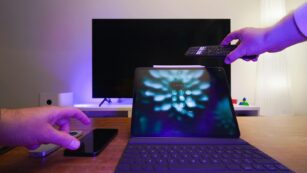
You’ve built the setup. A decent screen, a soundbar angled at the couch, maybe a second monitor for the bracket. Then you open a Counter-Strike 2 stream and something is off. The jerseys look strangely bare. The overlay that used to flash odds between rounds is gone.
That’s not a glitch in your stream. It’s Brazil.
The country’s decision to shut down online betting has rippled into esports faster than most fans expected, and the people feeling it first are the ones watching from the living room. Here’s what actually changed, why it matters beyond Brazilian borders, and how to think about betting legally if you still want a stake in the action.
What disappeared from your CS2 broadcast
Betting brands spent years as the quiet backbone of Counter-Strike. They sponsored the teams, bought the broadcast segments, and paid for the jersey real estate you stare at for three hours straight. Strip them out and the whole production looks thinner.
Brazil’s president signed an executive order on September 25 banning online betting, and platforms went dark nationwide on October 6. The order also killed advertising. Brazilian clubs had already warned that sponsorship money would vanish, and esports orgs with South American rosters were never going to be exempt.
What does that look like on screen? Fewer branded segments. Cleaner jerseys, or jerseys with placeholder logos. Short gaps in the sponsor reads that used to fill every map break. If you’ve noticed the broadcasts feel quieter, that’s the sound of an industry losing its biggest advertiser.
Here’s the thing most fans miss. Esports leaned on betting money harder than traditional sports ever did, because the audience skews young, online, and comfortable with digital wallets. Pull that revenue and the squeeze lands on team budgets, not just logos.
Why the October 25 runoff matters
The ban isn’t settled law yet. The order needs congressional approval within 120 days, and the industry has said it plans a legal challenge. Voters head to a runoff on October 25, and the outcome could change how hard the rules get enforced.
So nobody knows if this is permanent. Sponsors know it, which is why many teams are sitting on their hands instead of signing replacement deals. A betting brand that pulls out today might return in March. A team that signs a non-betting sponsor has to think about whether that money lasts.
For you, the viewer, the practical read is simple. Expect a patchy broadcast look through the rest of the season, and don’t assume a missing logo means the sponsor is gone for good.
Licensing is a country-by-country game
This is where home viewers get tangled. Brazil’s ban applies to Brazil. If you’re watching from the UK, Canada, Australia, or the US, your local rules are a separate thing, and a site that’s legal in one place can be blocked in the next.
That patchwork is exactly why licensing matters more than any bonus banner. A licensed operator has to hold your funds properly, verify your age, and pay out under a regulator’s watch. An unlicensed one can simply close your account when you win. I’ve seen verification requests land the moment a withdrawal was requested, and with an unregulated site there’s nobody to escalate to.
So before you chase a welcome offer, check three things. Does the site hold a licence valid where you live? Does it publish its terms plainly, including wagering requirements and max bet caps? And does it have a track record of paying out without drama?
If you want a shortlist to start from, the top CS2 online betting sites are ranked on exactly those points, with licensing and payout speed weighed ahead of promo size. Use it as a starting filter, then confirm the licence in your own country before you deposit anything.
What this means for the way you watch
There’s a quieter shift worth naming in the betting entertainment landscape. With betting overlays pulled back, some broadcasts have gone back to being about the match. Fewer odds tickers, fewer prompts nudging you to wager mid-round. Plenty of fans, honestly, prefer it.
If you do bet, a calmer screen is a better place to do it from. Decide your stake before the match starts, not between rounds when the adrenaline is up. Pick a number you’d shrug off losing, set it, and leave it alone.
One more practical point for the home setup. Keep your betting account on a separate device or browser profile from your stream. It sounds fussy, but it stops an accidental click on a live bet when you’re reaching for the remote during a tense overtime.
Will the sponsors come back?
Maybe. Maybe not.
The optimistic read is that the October 25 runoff softens enforcement and betting brands return by spring. The pessimistic read is that Brazil sets a template other governments copy, and esports has to build a sponsor model that doesn’t depend on wagering at all. Energy drinks, peripherals, and hardware brands are the obvious replacements, and some are already circling.
There’s a middle path worth watching too: sponsors that come back quietly. A brand might return to a team in a region where betting is licensed, while keeping its logo off Brazilian-facing broadcasts. That would explain why some jerseys stay bare in one tournament and look normal in the next. It also means a single stream is a poor guide to the wider picture, so don’t read too much into one event.
For teams, the real test is whether a replacement sponsor will commit for longer than a season. A betting deal that gets paused is easy to restart. A new hardware partner is a bigger bet, and the money has to be worth giving up the option of an early return.
Whichever way it falls, the lesson for fans is the same one the vanishing logos taught. Betting money in esports was never guaranteed, and the rules shift faster than the roster changes. Know your local law, stick to licensed operators, and treat the odds as entertainment rather than income.
FAQ
Did Brazil ban betting everywhere or just for Brazilians?
The ban applies inside Brazil, where platforms were blocked on October 6. It doesn’t change the law in other countries. If you live elsewhere, your own national rules still decide which sites are legal for you to use.
Why are betting sponsors missing from CS2 streams?
Brazil’s order banned betting advertising and forced operators offline, so brands pulled sponsorship money from teams and broadcasts with Brazilian exposure. Some deals are paused rather than cancelled, which is why logos may reappear depending on how the October 25 runoff plays out.
How do I check if a betting site is legal where I live?
Look for a licence from your own country’s regulator, usually listed in the site footer, then verify it on the regulator’s public register. Avoid operators that won’t state their licence. Confirm before depositing, not after you’ve already won.
Will betting sponsors return to CS2?
Possibly. The ban needs congressional approval within 120 days and the industry plans a legal challenge, so enforcement could soften. Until that’s clear, many teams are holding off on long-term replacement deals.
Play it smart
Brazil’s ban is a reminder that the rules move, and that the safest bettor is the one who checks the licence first. Whatever you decide, keep it fun and keep it affordable.
About Author