Timber French doors have become a consistent choice in renovation and extension projects that require a balance of precise engineering, dependable performance, and architectural accuracy. Their suitability for both period and contemporary homes has strengthened their position as a high quality joinery solution. Improvements in manufacturing standards, timber treatment, and glazing technology have allowed these doors to deliver strong long term results while maintaining traditional character.
Structural Reliability and Accurate Manufacturing
A well engineered timber door must remain stable under regular use, environmental changes, and structural irregularities. Modern joinery uses engineered and modified timbers that offer far greater stability than untreated softwood. These materials resist bowing, twisting, and seasonal movement, helping the door maintain its alignment over time.
Precision machining ensures that stiles, rails, and glazing rebates fit together accurately. Correct tolerances are essential for maintaining contact with seals, reducing strain on hinges, and supporting long term operational reliability. This level of accuracy is especially important in London homes where openings may be uneven or subject to previous settlement.
Strong Thermal Performance for Modern Homes
Energy efficiency remains one of the primary considerations for homeowners. Timber provides natural insulation due to its low thermal conductivity, and when combined with high performance glazing, it contributes effectively to maintaining stable indoor temperatures throughout the year.
Modern draught control systems have further enhanced performance. Compression seals, brush seals, and correctly sized joints limit air leakage and improve comfort levels. High quality double glazed units provide additional thermal resistance, helping the property retain heat during colder months. This combination of material and engineering improvement has allowed timber doors to meet the expectations of modern energy standards.
Versatile Design Options for Different Property Styles
One of timber’s main advantages is its adaptability. It can be shaped, profiled, and finished to match a wide range of architectural designs. Traditional properties often require moulded profiles, glazing bars, and correct frame proportions to maintain historical accuracy. Contemporary homes, on the other hand, may prefer minimal frames with larger glass areas for increased natural light.
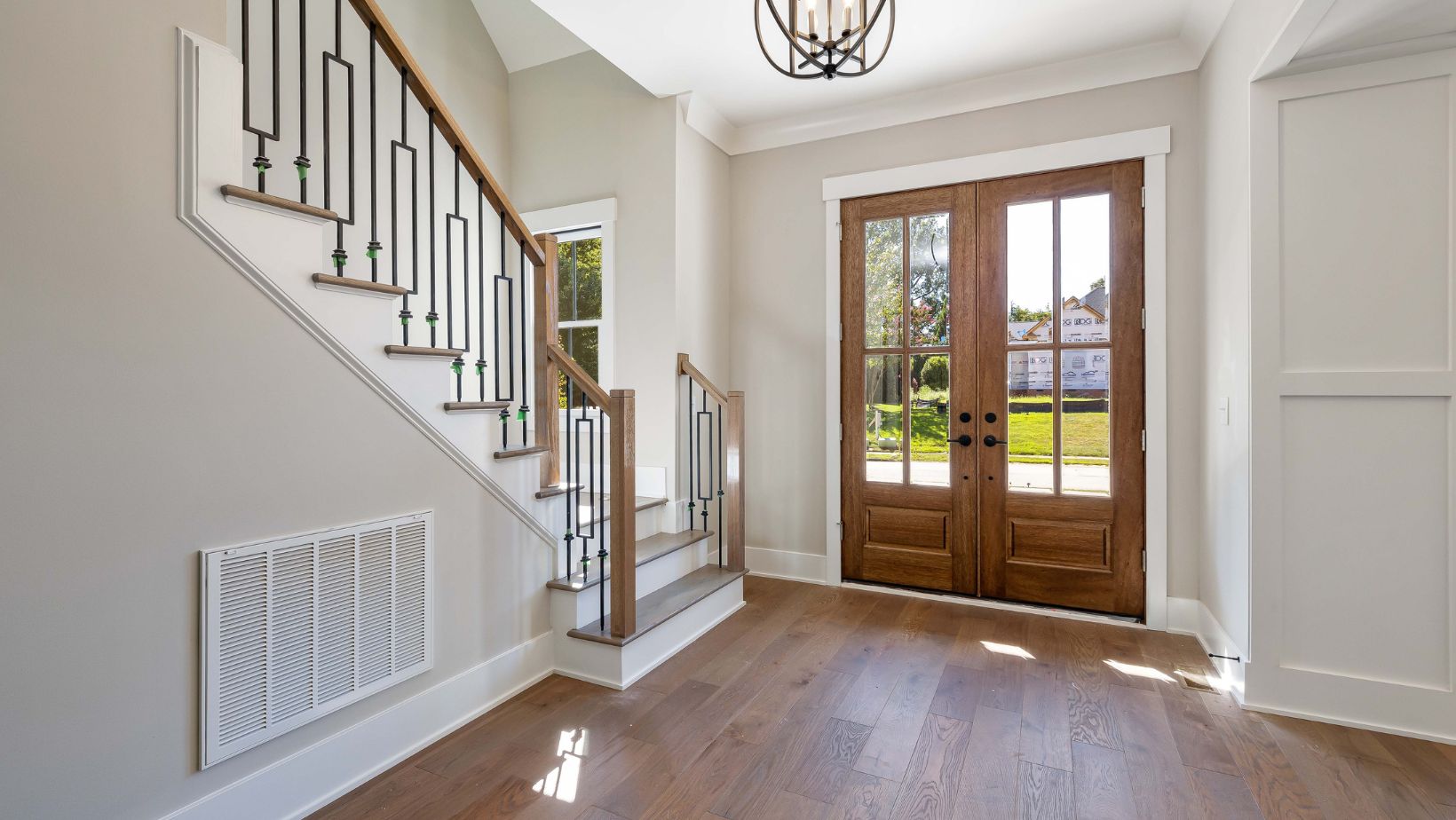
This design flexibility supports renovation projects that must balance external heritage requirements with updated interior layouts. Homeowners can specify paint finishes, stains, and ironmongery options to ensure consistency with both existing joinery and new design elements.
Material Durability and Resistance to Wear
Timber selection has a major impact on long term performance. Durable hardwoods and modified timbers, including acetylated softwoods, have become standard in high quality door manufacturing. These materials offer strong resistance to moisture absorption, fungal decay, and structural movement.
Their stability reduces the likelihood of cracking, paint failure, or joint separation, which are common issues in less resilient timber products. When paired with robust joinery methods, such as mortice and tenon joints, these materials support doors that can withstand decades of use with minimal intervention.
High Security Standards with Modern Hardware
Security remains an essential factor in door selection. Timber doors can incorporate multi point locking systems, reinforced hinges, and laminated or toughened glazing to meet modern safety requirements. These features are integrated discreetly, ensuring the door maintains its visual appeal while offering strong resistance to forced entry.
Correct installation is essential for security performance. Poorly fitted frames or incorrect hardware positioning can compromise the effectiveness of locking systems. Skilled joiners ensure that all components operate as intended and that the door engages securely with the frame.
Approved for Conservation and Heritage Projects
Many UK properties fall under conservation regulations that restrict the use of synthetic materials. Timber is frequently approved for these settings because it can replicate original proportions, mouldings, and profiles accurately. Experienced joinery teams are able to integrate modern performance features without altering the external appearance, making timber an appropriate solution for sensitive restoration work.
This compliance makes timber doors a practical choice for maintaining architectural integrity in historic homes while providing modern functionality.
Importance of Specialist Installation and Craftsmanship
High performance results depend on the expertise of the joinery company. Accurate surveying, timber knowledge, glazing weight assessment, and frame setting are all essential for correct installation. Skilled professionals understand how to address irregular openings, achieve airtightness, and maintain smooth operation over time.
Companies with extensive experience in London property renovation bring a refined understanding of traditional architecture and modern performance requirements. Their technical standards help ensure the door performs reliably across a range of conditions.
A Dependable and Versatile Renovation Choice
Timber doors continue to gain popularity in renovation and extension projects because they offer a blend of structural stability, strong insulation, design versatility, and compliance with heritage expectations. When manufactured and installed by experienced joiners, French doors provide a reliable long term solution that enhances both the appearance and performance of the home.
About Author