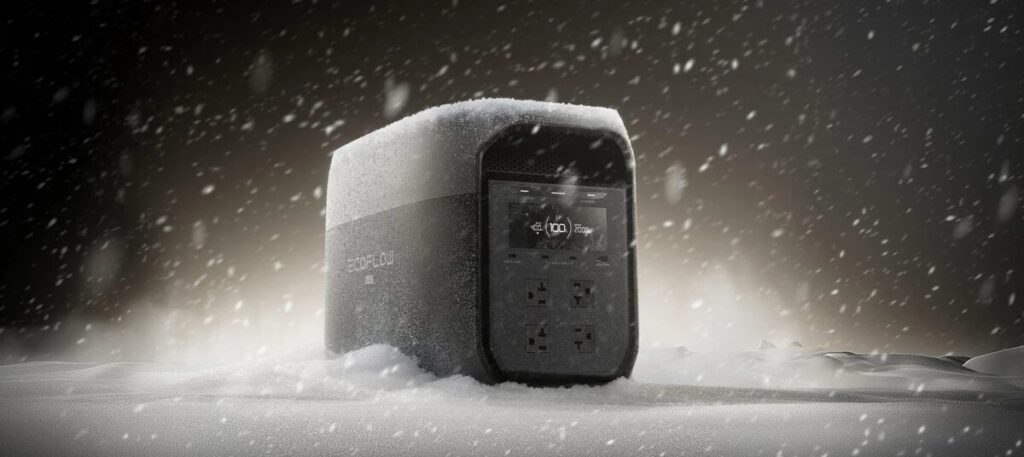
A winter outage turns your house into a slow-cooling box. The goal is not “perfect comfort.” The goal is to keep your core temperature stable, protect vulnerable people, and avoid the common mistakes that cause fires or carbon monoxide exposure. A few small choices early can preserve hours of warmth, even in a drafty home.
If you have a power station, treat it as a finite reserve for heat, lighting, and safety monitoring. It won’t replace the grid, but it can prevent the steep temperature drop that triggers bad decisions. Start by reducing heat loss first.
What “warm enough” looks like when the grid is down
A room that drifts from 68°F to 60°F is manageable, but a steady slide into the low 50s raises risk for kids, seniors, and anyone with health issues.
Pick a target zone and a time horizon. Many households can ride out hours of cold by consolidating into one room, sealing drafts, and using a power station only for short, high-impact bursts.
A thermometer helps, but so does your body’s feedback loop. Shivering, numb fingers, and confusion are signals to escalate, not to “tough it out.”
If you own battery sensors, keep them running. A power station can power a small temperature probe or a router so you can monitor conditions and communicate without guessing.
Stop heat loss before you try to make heat
Most emergency heating tricks fail because heat leaks out. Think insulation first, heater second, battery last.
Choose one room with the fewest exterior walls. Close interior doors. Put rolled towels at door bottoms and tape plastic over leaky windows if you have it.
Use fabrics as air barriers. Hang a blanket over a doorway to create a smaller “warm zone.” Even without a power station, shrinking the heated volume is the fastest win.
If your home has forced-air vents, close registers in unused rooms. A power station is more effective when warm air stays where people actually are.
Under stress, follow this order:
- Close off unused rooms and vents.
- Block drafts at doors and windows.
- Add floor insulation with rugs or spare blankets.
- Move people, pets, and essentials into the warm zone.
Avoid unsafe heating tricks that cause emergencies
In outages, the biggest danger is not cold itself. It is the shortcuts people take when they feel desperate.
Do not use an oven, stove, or grill to heat indoor air. Do not run a generator in a garage or near open windows. Do not burn charcoal inside. These choices create invisible risk, not reliable warmth.
A power station reduces the temptation to improvise, but only if you stay disciplined about what you power and where you place loads.
If you need light, choose LED lamps. If you need warmth, choose controlled electric heat. A power station is safer than combustion indoors, but it still requires safe wiring and spacing.
Why indoor combustion is risky
Anything that burns fuel can produce carbon monoxide. During an outage, people seal rooms to stay warm, which concentrates exhaust.
Carbon monoxide is hard to notice because it does not smell “dangerous.” Headache, nausea, and fatigue can be mistaken for stress or flu. If you own a CO alarm, power it with a power station early.
If you do not have a CO alarm, avoid indoor flame sources entirely. A power station can keep a radio or phone charged so you can receive safety alerts.
Space heaters and extension cords
Portable electric heaters can be safe when used correctly, but they are also a common ignition source. Keep them away from curtains, bedding, and foot traffic. Avoid cheap extension cords and power strips.
If you use a power station to run a heater, check the heater’s wattage and avoid stacking other large loads. Heat is power-hungry, and a power station is not infinite.
Route cords along walls, not under rugs. A power station is only as safe as the setup around it, especially when people are tired and moving in low light.
Use limited electricity like a planner, not a gambler
Backup electricity is most effective when you allocate it to tasks that change outcomes. In a cold outage, that often means targeted heat, safe monitoring, and communications.
A power station can run a small heater briefly, recharge phones, keep a router alive, or power medical devices. It can also keep a CO alarm, temperature probe, or lamp running so you stop making decisions in the dark.
Use electricity in cycles. Warm the room for a set interval, then turn the heater off and let insulation carry the comfort. Cycling stretches a power station dramatically.
Do a quick energy check: heater watts × minutes tells you how fast you will drain capacity. A power station makes those tradeoffs visible, which discourages “set and forget.”
Build a priority list
Write a quick order of operations and stick to it:
- Safety devices and lighting.
- Medical needs and communications.
- Short heater cycles in the warm zone.
- Charging small batteries and tools.
If your power station is getting low, cut convenience loads first. A lantern matters more than a laptop. A CO alarm matters more than entertainment.
If you are choosing between a heater and an electric blanket, the blanket often wins on efficiency. A power station can run low-watt warmth close to your body longer than it can run high-watt room heat.
Use food and water to support body heat
Calories are heat. So is hydration. Cold, dry air and stress increase energy use, even when you sit still.
Eat simple meals that don’t require long cooking. Warm drinks help, but avoid alcohol; it can make you feel warm while speeding heat loss.
If you have a power station, consider using it to heat water with a small electric kettle for short bursts, instead of running several devices for long periods.
Warm water bottles placed near your core can add comfort without high power draw. A power station is best saved for tools that require electricity, not for heat you can generate with insulation.
Layer clothing intelligently: base layer, insulation layer, and a wind-blocking outer layer. Keep head and feet covered. Those small surfaces leak heat faster than most people expect.
Plan the night before it gets uncomfortable
Night is when outages feel harder. The house cools and you are tired.
Shift to sleep systems, not “room temperature.” Sleeping bags, extra blankets, and shared body heat are efficient. Put a blanket under you, not just on top, because floors sink heat.
Choose a sleeping area away from windows. If you have a power station, reserve capacity for a short pre-sleep heating cycle and a wake-up cycle, not for all-night heating.
If you own an electric blanket rated for safe overnight use, it can match a power station better than a space heater. Keep settings low and follow the manufacturer’s guidance.
The one-room plan
Treat one room like a shelter. Bring water, snacks, flashlights, and chargers into that space. Tape a sign to the door that says “keep closed” so nobody vents warm air out of habit.
If you have children, routines matter. A power station can keep a night light on, which reduces anxiety and keeps you from opening doors repeatedly.
Put your power station on a stable surface with clear airflow and keep cords tidy. The goal is warmth without tripping hazards or accidental unplugging at 3 a.m.
After power returns, reduce risk and improve the next run
When the grid comes back, do a quick safety sweep. Unplug any space heaters you used and check cords for heat damage. Reset breakers only if you know why they tripped.
Review what worked. Did drafts defeat you? Did the warm zone stay stable? Did the power station capacity match your heater cycles, lighting, and alarms?
Recharge and store the power station in a consistent place, with cables bundled. Test your setup twice a year so the power station supports a routine, not a last-minute experiment.
Make one small upgrade while the memory is fresh. Add weatherstripping. Buy a thermometer. Test your CO alarms. Charge the power station. A calm, repeatable plan is better than heroics.
About Author