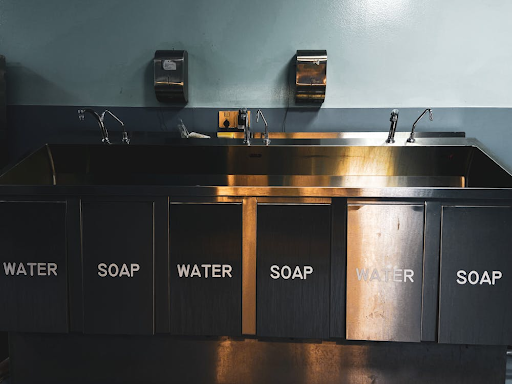
Though a three-compartment sink has been a fixture of professional kitchens, it is slowly but surely beginning to find installations beyond restaurants and into cafés as well. This kind of sink design is intended for methodical washing, rinsing, and sanitizing, which is vital for reaching hygiene criteria that a single-basin sink cannot dependably sustain. Knowing how it functions will assist company owners in staying within the compliance range. For homeowners, it will help in evaluating whether the setup warrants the area. Practical concerns over building one range from material quality to sizing and maintenance. Here are the essential aspects of what a three-basin sink is, how it works, and which parties receive the most rewards from having one.
What Is a Three Compartment Sink?
Three-compartment sinks are considered a unit consisting of three adjacent basins equal or similar in size. Each basin is designated for a specific function in the dishwashing process, namely, washing in detergent, rinsing in clean water, and sanitizing in heat or a chemical solution. Such a linear workflow reduces cross-contamination through controlled movement from dirty to clean.
Most of the units additionally have drainboards on one or both sides to stage unclean dishes or air-dry cleaned objects. Standardized processes have made the protocols for patient training consistent and straightforward.
How the Three-Basin Workflow Works
The first compartment is for washing in hot water and soap to remove food debris and grease. Scrubbing happens, and then these items move into the second basin. This stage is very crucial because it is a known fact that sanitation does not work on dirty surfaces at all.
The second basin is for rinsing soap and loosened debris with clean water. Either with a very hot water rinse or a certified chemical sanitizer at the appropriate concentration, basin number three is for cleaning. Items will air-dry after this rather than being towel-dried to prevent recontamination.
Where Health Codes Require Them
Commercial food establishments preparing or serving food, as defined in several regions within laws, possess a three-compartment sink. Those include restaurants, bars, and bakeries. Food trucks and catering businesses also fall under this classification. Some businesses do have dishwashers, but still need a three-basin sink as a backup or for cleaning large items.
Health inspectors do respond positively, checking not only for sinks but also setup, water temperature, and sanitizer use, to see whether or not they pass. Not meeting these requirements can delay opening or result in fines.
Who Might Need One at Home?
Outside, three-compartment sinks are surprisingly functional even for home or home-like settings. Heavy-duty home cooks, food operations in garages, pottery studios, or workshop spaces can all benefit from this organized cleaning procedure.
Utility rooms may even be appropriated in converted garages, providing a space for an installation that does not disrupt the central kitchen or home. Especially worth having are those varieties under sanitation requirements, such as washing canning items or cleaning tools that shouldn’t be mixed with household dishes.
Material Choose, Sizes, and Upkeep
The majority of three-compartment sinks are made of stainless steel, though they vary in grade, with 304 stainless having better corrosion resistance than 430 stainless. The standard sizes range from compact 12-inch deep basins to the 18-inch large commercial models. The size fitting depends on the largest items that are meant to be stored inside, and also the floor space that is available.
If shopping from the Restaurant Supply vendors, it’s practical to see the models of the three-compartment sink by comparison. Discuss important layout options, installation requirements, and typical configurations. Routine maintenance includes daily cleaning of basins, monitoring of sanitizer strength, as well as draining and sealing for buildup or leaks.
Endnote
A three-compartment sink provides a credible stepwise system in maintaining hygiene in both commercial and special home settings. Its design doesn’t just imply health code compliance, but it also increases workflow efficiency and lowers risks attached to cross-contamination during cleaning tools or dishes. Whether a legal requirement or a matter of convenience, it is all the same a wise choice for anyone who values sanitation over time and invests in durability.
About Author