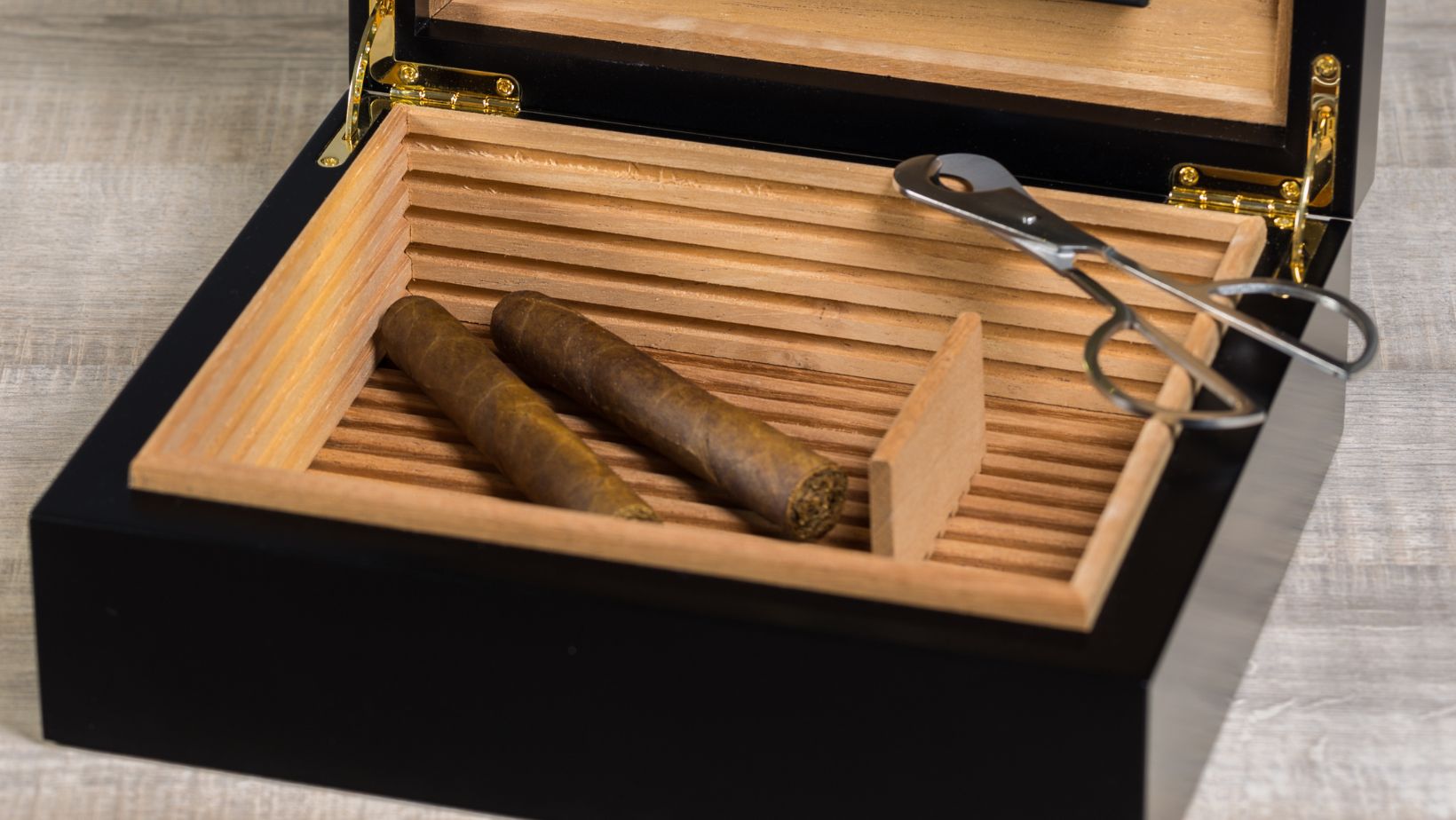
A humidor is one of the few cigar accessories that’s both practical and personal. It protects thousands of dollars’ worth of cigars, but it also sits on your desk or in your lounge like a piece of furniture. So when you see “luxury” humidors—often made from rare woods, fitted with precision hardware, and priced like a weekend getaway—it’s fair to ask: is the upgrade real, or just expensive packaging?
The answer depends on what you expect from storage. If your goal is simply “keep cigars from drying out,” a well-built entry-level box can do the job. If you care about long-term aging, consistency across seasons, and the experience of owning something crafted with the same attention as the cigars themselves, the economics shift. That’s where looking at examples of artisan-made cigar storage solutions can be useful.
What You’re Really Buying: Stability, Not Status
Humidity control is about predictability
Cigars are happiest around 65–70% relative humidity, but the number matters less than how steady it stays. Inexpensive humidors often struggle with swings: thin walls exchange moisture with the room quickly, loose lids leak, and basic humidifiers overshoot and then crash. The result is a saw-tooth pattern that can make cigars burn unevenly, feel harsh, or split.
Luxury humidors typically earn their keep in the boring, unglamorous details: tighter tolerances, heavier construction, better seals, and interior layouts that let air circulate. Those features reduce “microclimates” where the top tray is dry while the bottom is soggy.
Materials can help—or hurt
Spanish cedar is popular for a reason: it buffers humidity, resists pests, and plays nicely with cigar aromas. But not all “cedar-lined” boxes are created equal. Veneers can be paper-thin; joins can expose glue; and strongly aromatic wood can overwhelm delicate blends. Higher-end pieces tend to use better-seasoned wood, more consistent lining, and finishing methods that minimize off-gassing.
The Hidden Cost of Cheap Storage
A humidor doesn’t need to be expensive to be effective, but poorly made storage can quietly waste money. Think about it in three categories:
- Loss of flavor and burn quality: repeated humidity swings flatten complexity and can amplify ammonia or bitterness in young cigars.
- Physical damage: over-humidified cigars swell, split wrappers, or grow plume-like mold that’s actually dangerous.
- Time cost: constant tinkering—recharging foam, chasing readings on a cheap hygrometer, rotating stock—adds friction to a hobby that’s supposed to be relaxing.
If you smoke through your collection quickly, those risks are smaller. If you’re aging cigars for years, they compound.
When Luxury Actually Makes Sense
You’re aging, not just storing
Aging is slow chemistry. To get the payoff—rounded edges, integrated flavors—you need stability month after month. A luxury humidor won’t magically “improve” cigars, but it can remove variables that spoil the experiment. If you’re building vertical tastings (same cigar across different years) or keeping limited releases, consistency is the point.
Your environment is challenging
Do you live somewhere with strong seasonal changes—dry winters, humid summers, heavy air conditioning? In those conditions, entry-level humidors can feel like fighting the weather. Better insulation and seals don’t eliminate the need for monitoring, but they reduce how often you’re correcting drift.
You value craft in the same way you value cigars
There’s nothing wrong with aesthetics being part of the decision. The ritual matters. A beautifully finished box that opens with a soft “whoosh,” has drawers that glide, and makes you want to organize your collection is not a trivial benefit. It’s the same logic as buying a well-made watch: function plus daily enjoyment.
How to Judge a Luxury Humidor Like a Pro
Look past the exterior
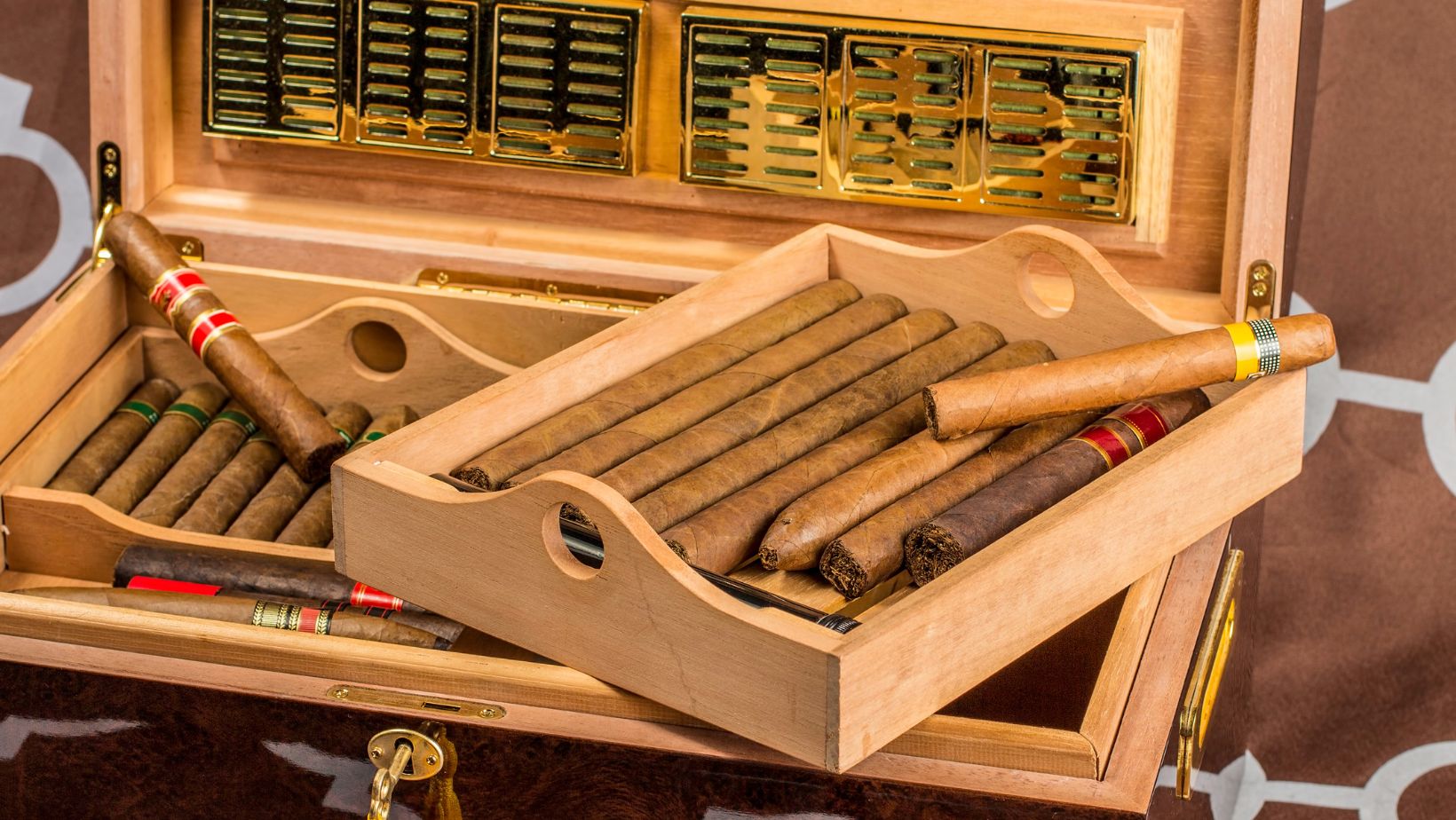
High-gloss lacquer and exotic veneers can distract from fundamentals. Ask (or inspect) for lid fit and hinge alignment (no wobble, no rubbing), interior cedar thickness and clean joins, a thoughtful seal or gasket (especially on cabinets), and tray spacing that allows airflow without crushing cigars.
Upgrade the instrumentation regardless
Even the best humidor is only as good as its feedback. Plan to use a calibrated digital hygrometer and, ideally, a passive control system like Boveda packs or an active electronic unit for big volumes. Many luxury pieces assume the owner will choose their preferred system rather than bundle a mediocre one.
Consider capacity honestly
Buying for “future growth” is common, but empty space behaves differently than a stocked humidor. Cigars themselves act as humidity buffers. If you buy large, keep it reasonably filled or use cedar dividers to reduce volume.
The Bottom Line
Luxury humidors are worth it when they buy you predictability, reduce maintenance, and support how you actually enjoy cigars—especially if you age premium stock or live in a fickle climate. They’re not worth it if the price is mostly surface-level decoration, or if your smoking cadence means cigars never sit long enough to benefit from a stable microclimate.
A smart approach is to decide on requirements first (capacity, control method, climate challenges), then evaluate construction quality. If a luxury piece meets those needs and brings daily pleasure, the investment is more than a logo. It’s an upgrade to the entire ritual.
Before you spend, run a two-week test: set your target RH, log readings morning and night, and note refills. If you’re constantly correcting, a better box pays back fast. If it’s stable, enjoy the cigars and stop overthinking it.
About Author