Once considered a niche preference, the sustainably built dwelling has shifted from a voluntary choice to a critical necessity for many. This transition stems not from fleeting fashion, but from converging realities: escalating climate pressures, volatile energy markets, and a deeper understanding of personal health. A home designed and constructed with ecological integrity offers far more than a reduced carbon footprint. It delivers a profound, tangible transformation in daily living, financial resilience, and personal well-being, redefining our fundamental relationship with shelter.
Engaging the Right Guides
Achieving this holistic outcome requires specific expertise. General contractors and traditional designers often lack the integrated knowledge base. This is where the specialized skills of sustainable architects prove indispensable. Their practice synthesizes building science, passive design principles, material ecology, and renewable energy systems into a cohesive vision. They navigate the complex interplay between orientation, thermal mass, natural ventilation, and high-performance envelopes. Partnering with such professionals ensures the home’s sustainability is foundational, not a superficial add-on, maximizing every benefit from the ground up.
Financial Liberation Through Efficiency
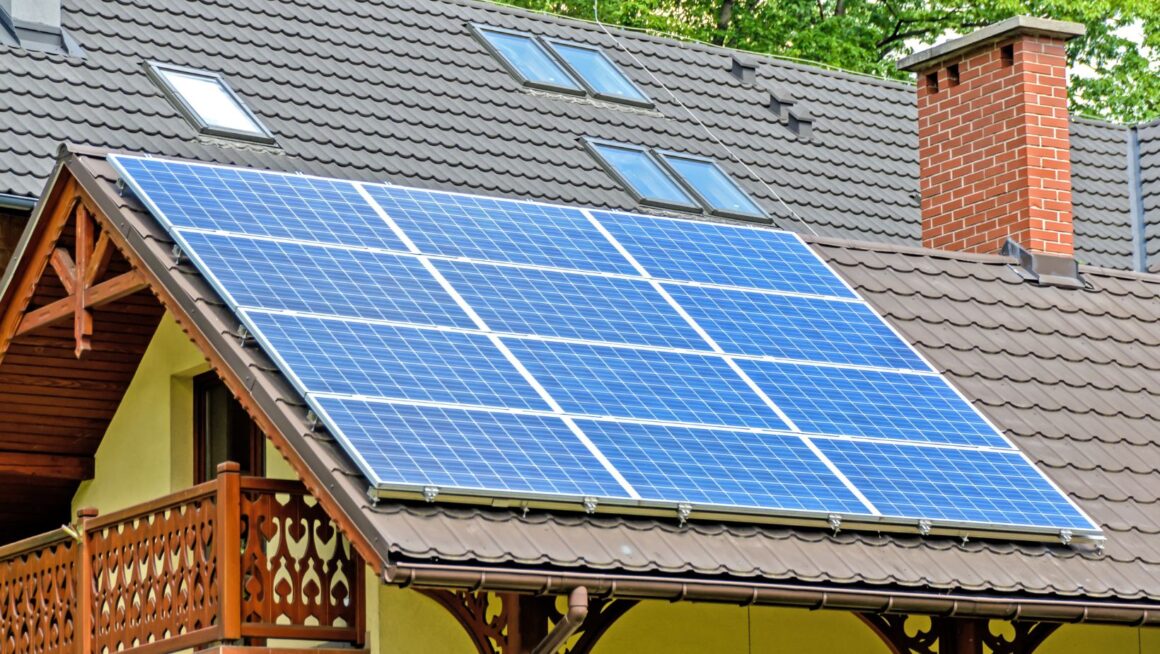
The most immediate advantage is economic. A true sustainable home operates as a highly efficient system, drastically slashing demand for external utilities. Superior insulation, airtight construction, and strategic solar gain minimize heating and cooling needs. Integrating photovoltaic panels or heat pump technology can further reduce reliance on the grid. Monthly expenditure on energy plummets, often approaching net-zero. This financial buffer provides remarkable stability against rising utility costs, effectively locking in a long-term hedge against inflation for a primary household expense.
A Healthier Interior Atmosphere
Conventional buildings can inadvertently compromise occupant wellness through poor air quality. Sustainable design prioritizes a non-toxic, breathable environment. It mandates careful selection of materials, avoiding volatile organic compounds (VOCs) in paints, adhesives, and finishes. Mechanical ventilation with heat recovery ensures a constant supply of fresh, filtered air without wasting energy. Natural daylighting is optimized, reducing dependence on artificial sources. The result is an interior space that actively supports physical health, potentially reducing allergens and improving respiratory conditions and sleep quality.
Resilience and Resource Security
As climate patterns become more extreme, a resilient dwelling offers invaluable security. Sustainable homes are inherently robust. Their high-performance envelopes maintain comfortable temperatures longer during power outages. Features like rainwater harvesting systems and renewable energy generation provide a degree of resource independence. This design philosophy prepares a household for broader environmental and infrastructural uncertainties, transforming a home from a vulnerable asset into a steadfast refuge.
Homeowners who want more than incremental savings can partner with Indiana-based solar engineering, procurement, and construction (EPC) teams that handle assessment, design, installation, and long-term monitoring. For properties that also support home-based farms or small businesses, the same commercial-grade engineering delivers higher reliability and stronger lifetime ROI. Explore expert solar panel installation in Indiana to understand site suitability, projected payback, and how battery storage enhances resilience during grid outages. With bankable warranties and utility-grade components, a well-designed system turns a sustainable home into a low-cost, self-reliant energy hub.
Future-Proofed Asset Value
Market perceptions are evolving rapidly. Properties with verified green certifications and minimal operational costs command increasing buyer preference and premium valuations. A sustainable home is inherently future-proofed against stricter building codes and energy disclosure requirements. It represents a sound long-term investment, as its core value proposition, extremely low running costs and responsible construction, aligns perfectly with emerging market and regulatory directions.
Ethical Alignment and Legacy
Choosing this path aligns a significant personal investment with broader environmental ethics. It drastically reduces the home’s lifetime carbon emissions and embodied energy. It minimizes strain on local water and waste infrastructures. This conscious decision contributes to a collective societal shift, demonstrating that comfortable modern living need not come at an excessive planetary cost. It builds a legacy of responsibility, directly connecting personal sanctuary to global stewardship.
The Holistic Return
Ultimately, the sustainable home delivers a comprehensive quality-of-life dividend. Financial savings, improved health, and operational resilience converge into a powerful sense of autonomy and quiet confidence. The home ceases to be a passive consumer of resources and becomes an active, harmonious system. It responds intelligently to its site and climate, caring for its inhabitants while lightly touching the earth. In a world of mounting external pressures, this isn’t just better building. It’s the creation of a personal sanctuary designed for true, enduring prosperity.
About Author