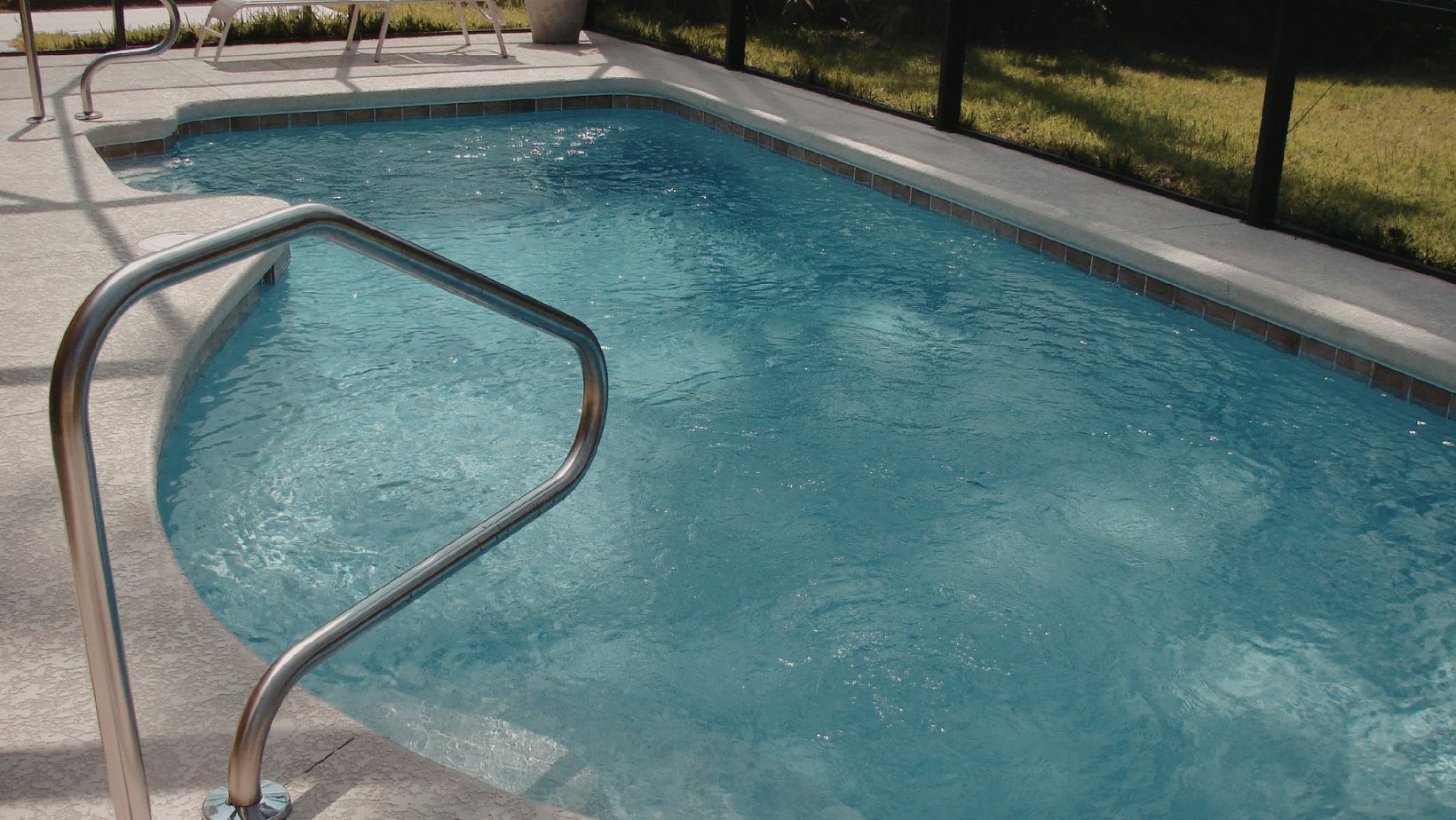
Having a swimming pool can be one of the dreamy projects for each home. Its construction, however, may create unnecessary errors if not carefully planned. A lot of people get excited and make rushed decisions, which lead to ongoing maintenance problems or expensive revisions. Therefore, understanding common pool design mistakes allows homeowners to enjoy a backyard retreat that functions well and provides satisfaction.
Ignoring Proper Placement
One of the most common pool design mistakes is choosing the wrong place for your pool. If the pool is too close to the trees, it will collect leaves. Positioning it near utility lines or septic tanks can lead to costly modifications. In general, positioning a pool where it receives sunlight, wind, and offers privacy will lead to a more pleasant swim.
Overlooking Adequate Space
For many properties, the space required for a pool, decking, and lounge spaces is much larger than what the property owners initially assumed. If the walking space around the water is small, it can feel claustrophobic. Not enough seating or a lack of storage can prevent poolside enjoyment. Determining how much room is needed for the pool and the surrounding space before starting the construction is essential. This smart planning will also allow easy expansion in the future.
Neglecting Safety Features
When designing a pool, safety should always come first. Not having barriers, alarms, and not using slip-resistant surfaces increases accidents. Alarms can offer additional peace of mind, but fencing plays a big role in protecting children and pets. Installing proper lighting lessens this hazard, especially in the evenings. An intentional design protects everyone using the pool.
Forgetting About Drainage
Sometimes, if the drainage is not carried out properly, it will result in water accumulation near the pool or near the foundation of the house. Insects might swarm over still water, or landscaping could be damaged. Planning for good drainage is a preventive step that helps avoid headaches later. Assess local rainfall and grading and plan the drainage system accordingly. Proper drainage is also important to protect the pool equipment and the surfaces.
Underestimating Ongoing Maintenance
The work doesn’t end with just construction; regular maintenance is also important to keep enjoying the pool. Many people neglect this upkeep, which leads to costly repairs or replacements down the line. The more complicated the pool design is, the more maintenance it will require. It is important to analyze the maintenance your design will require before finalizing anything.
Disregarding Local Regulations
Not checking building codes or permits can stop construction, or homeowners can be fined. Specific requirements regarding fencing (for pools) or electrical systems may apply in your locality. Not following these instructions will push the project timeline and incur surprise expenses.
It is ideal to consult with local authorities and follow any requirements they may have, as this makes the entire process run smoothly from beginning to end. Compliance also ensures safety during and after the construction is completed.
Overlooking Energy Efficiency
People often overlook energy-saving designs. They may pick designs that can waste energy and produce more bills. Choosing high-energy-rated equipment for lighting or heating saves money over the long term. Timers for filtration systems and heating with solar energy also help reduce costs. Making mindful decisions helps the environment and your pocket.
Mismatched Style and Features
If a pool design doesn’t complement your overall house style, it could look unappealing. Existing landscaping may clash with colors that are too bright or shapes that are too unusual. Using decor elements that match the home provides visual continuity and a welcoming ambiance. Having a consistent theme in design makes the pool area feel like an extension of your home.
Conclusion
Constructing a pool requires careful design and execution. Avoiding common mistakes will save you time, money, and avoid frustration. By ensuring that every step in the construction process is intentional, homeowners can create a beautiful, safe, and enjoyable space. This will also ensure that your pool is durable and survives for many years to come.
About Author