Key takeaways
- Smart lighting and connected systems help reduce the risk and provide support to employees, and make riders feel safer.
- Good lighting design is about light levels, uniformity, color, and good sightlines and not about more fixtures.
- Integrated lighting, cameras, sensors and controls can help teams get faster responses and save energy in the long term.
- A delineated structured assessment, pilot areas, and local assistance make upgrades manageable, even in busy, aged stations.
Why Station Safety Begins with Lighting and Technology
When someone enters your station during the night, they make a decision in a matter of seconds whether they feel safe or not.
If the concourse is in low light, with a mix of lighting off specific areas and painful glare from ticket machines, people are tense. I’ve seen riders hide at the edge of the platform close to the exit rather than use the full width, simply because the center was too exposed.
Good lighting and a good lighting system change that. Clear sight lines across ticket halls, platforms and walkways makes it less likely that a person may be hiding and leads to earlier detection of problems for staff members.
Agencies that converted to LEDs and smart lighting systems often notice less complaints and an improved flow of crowds, transit agencies say. One operator told me that their late night riders were starting to use entrances that they had not used for years simply because those areas were finally well-lit and cared for.
It sounds simple, but that first impression is an indicative period for everything else.
Main Principles Of Safe Station Lighting Design
When you plan station lighting design, you are really planning for people in motion and behavior.
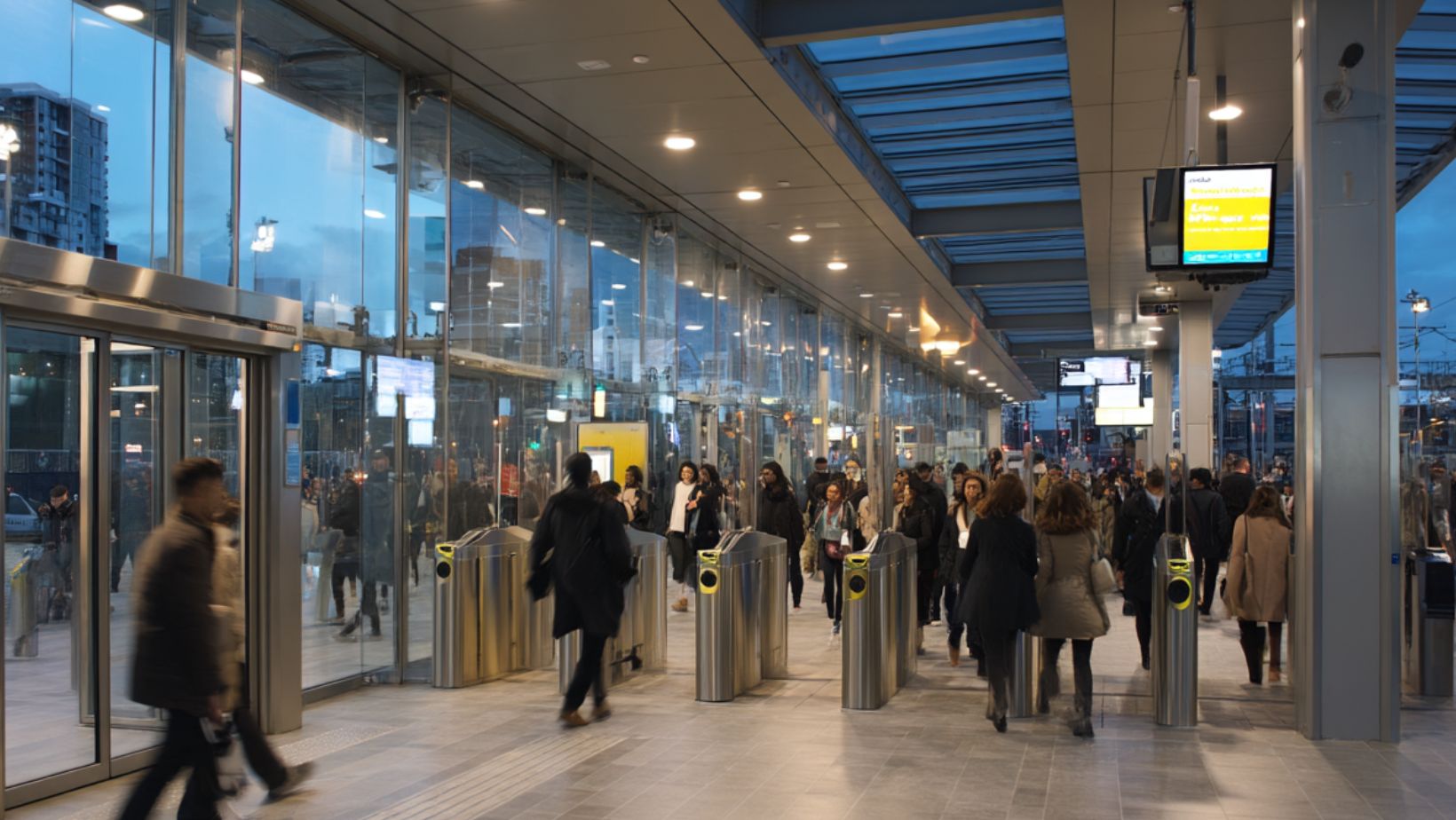
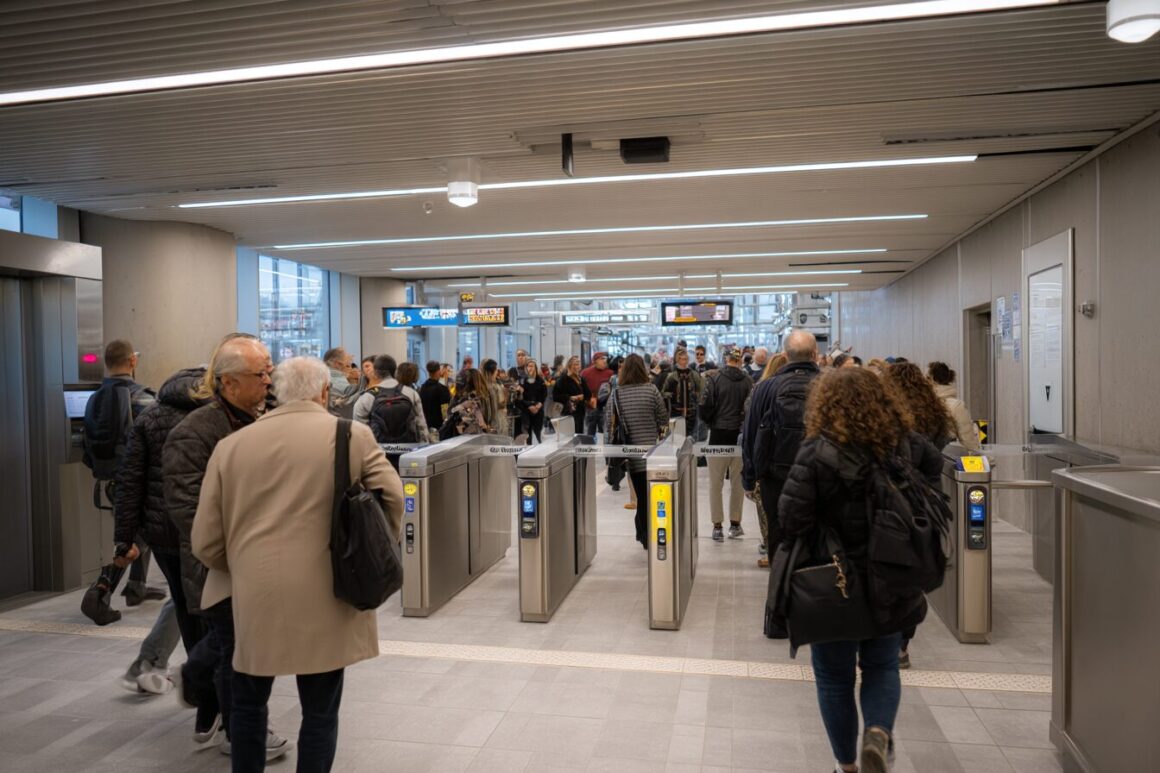
Different zones require different degrees of light. Platforms and track edges require high vertical illumination so that faces and gestures do not get lost. Ticket halls require even distribution of the light to ensure that queues, kiosks and signage remain readable. Entrances, stairs and each walking way must be bright enough to reveal the edges and obstacles, but not injure anyone’s eyes.
U.S. Department of Transportation‘s “Lighting for Transit Facilities and R These will provide you a reliable source you can cite for this point. It allows your reader to check out the claim by referring to a document he can check.
Once I took a walk on one of the older stations where it was bright in the concourse but the stair turned towards near darkness. You had riders slowing down, bunching up and you could feel the hesitation. After a targeted upgrade with LEDs, step lighting, and better aiming, tripping also dropped and less time was spent by staff at sorting out bottlenecks.
You do not need effects of a theatrical kind. You need consistent, predictable lighting solutions to support the way people really use the space everyday.
Integrating Lighting and Security Technology
Lighting alone helps, but lighting coupled with technology has the potential to alter the way your team works.
With cameras and fixtures on the same plan you don’t have really bright hotspots, clearing details or dark areas which darkens the faces. I worked with a team that re-aimed fixtures around cameras and immediately saw sharper shot footage and faster incident review.
Sensors add another layer. Motion detection on low traffic corners, people count on platforms, or the triggering and actuation of emergency buttons can all be used as drivers in smart lighting scenes. For instance, if an alarm is triggered at a remote entrance, lights can address the full output, cameras can focus in that zone and the control room can receive immediate alert.
One transit agency that migrated to a central management platform reported faster response times, fewer hand resets and less energy since they did not have everything ramped all night long. Integration gave their control rather than guesswork.
Station Area and Use Cases In Design
Every portion of your station is like a small project itself.
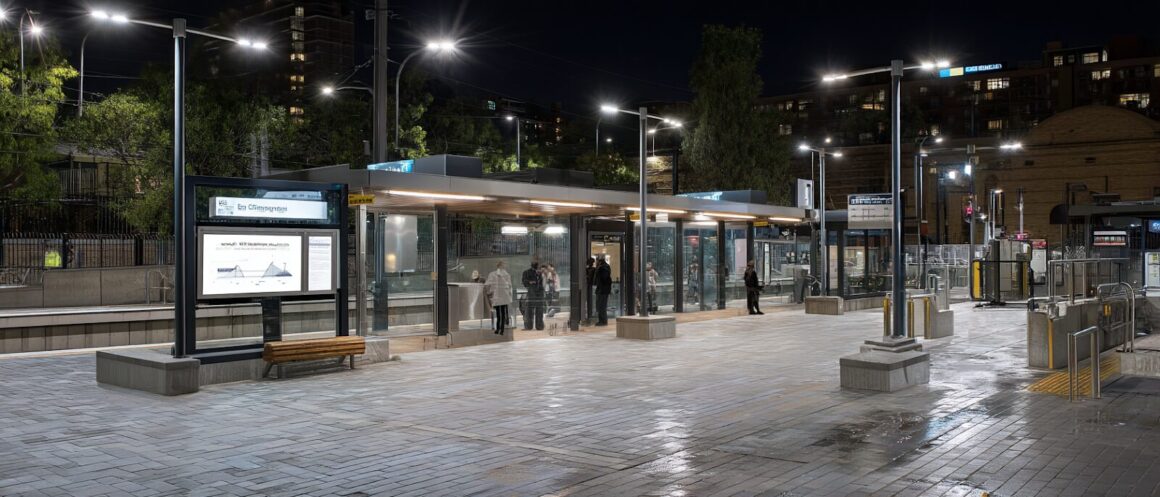
Entrances and plazas must nouns have clear sight from the street to the interior. People should see where they are going, who is around and how to reach the platform. In dense neighborhoods you can still be neighborly with nearby homes by using outdoor lighting with controlled optics to amplify paths but not blaze windows.
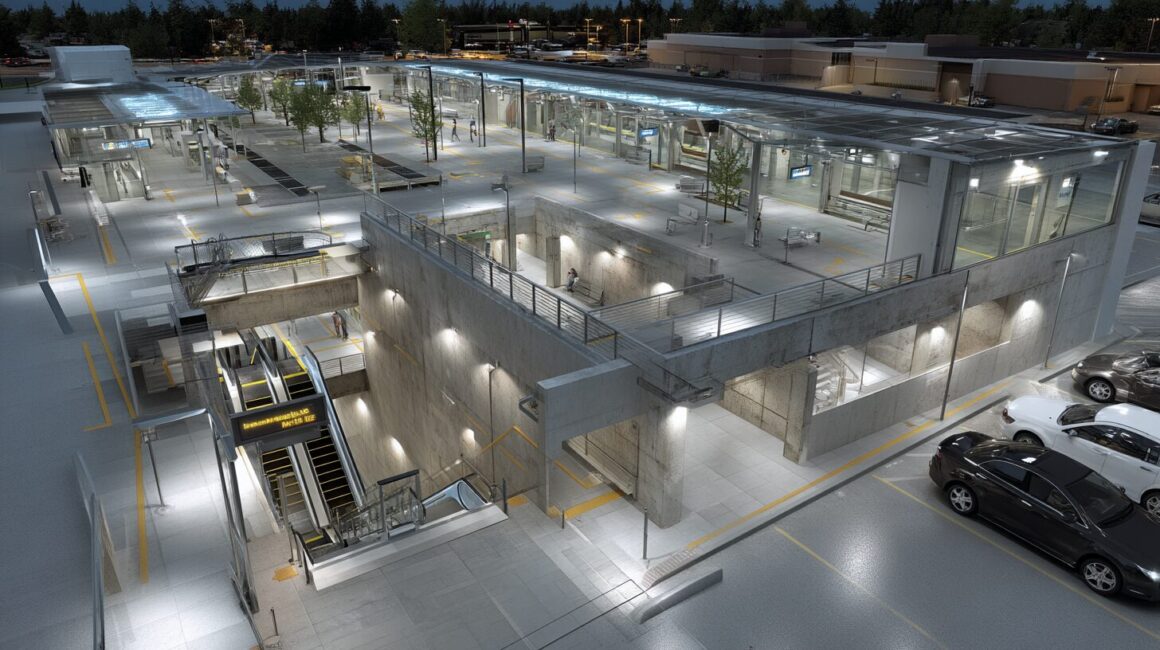
Platforms require close attention to edge lines, signage and oncoming trains. Avoid glare from wet surfaces and signals. Provide handrail or edge lighting wherever possible Stairs, escalators and elevators would benefit with concentrated amounts of lighting on the steps, threshold and call buttons, not to mention cameras that actually see faces, rather than silhouettes.
Parking structures and distant corners are also commonly more susceptible to vandalism and other problems. After one garage project was upgraded to targeted LEDs, cameras, motion-based controls, however, there were fewer reported incidents and riders were no longer requesting escorts to their cars. That type of change is difficult to ignore.
Research summarized in a National Institute of Justice report titled “Crime Prevention Through Environmental Design in Parking Facilities” indicates that better lighting, clear sightlines and active surveillance can be effective tools for reducing crime and fear of crime in parking structures. These results add to the assumption that targeted improvements in remote corners and garages are among the best sources for improving overall station safety.
Balancing Safety, Comfort, And Energy
You don’t have to turn all into privacy flooding, light stations to create safer light.
More brightness is not necessarily better. Over-lit spaces can be harsh and empty, and conditions are still potentially left by some pockets that feel unsafe. The objective is uniform, no launching, softer contrast values and suitable visibility for riders and cameras. I have seen parking decks that looked like stadiums but still had corners that people stayed out of.
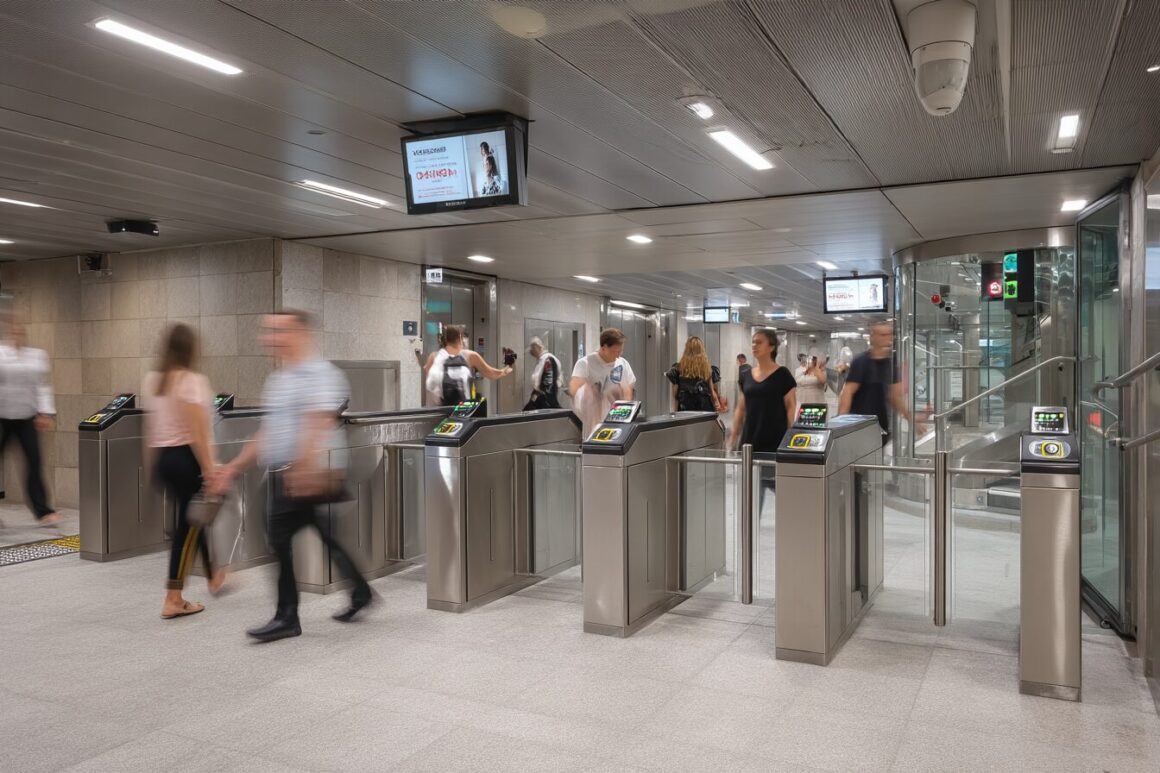
Adaptive lighting helps. Higher levels during rush hour, reduced level during quiet time, with boosts by movement in specific places can achieve better visibility while you will reduce energy usage. Smart light connected to schedules and events allows for responding based on actual patterns rather than generalized guesses.
Modern LEDs and control may provide lower cost of energy usage and maintenance. Some transit systems report double-digit percentage savings after switching to energy-efficient fixtures equipped with a smart-control while also reporting improvements in how safe their transit stations feel. That is a combination that is hard to beat.
Smart Controls And Connected Stations Systems
Once we get your lighting system connected to a central platform your operations team now has a new toolset working for them.
You can control day, evening, late night and maintenance scenes. At a moment’s notice, lights can automatically increase to maximum output, highlight pathways leading toward the exits and assist first responders. I recall a drill in which static lighting differed from programmed scenes: the difference was obvious as the staff moved faster because the environment was guiding them.
Centralized control is also good for monitoring. Whereas you see outages, abnormal behavior, and sensor data in one place. That makes it possible to do predictive maintenance rather than wait for complaints from their riders.
There is always a conversation on cybersecurity and redundancy, of course. Some agencies like a hybrid approach: central oversight and local overrides in each station. It is not perfect but it keeps the operations running if the network has any issues.
Designing For Accessibility & Inclusive Use
That said, if you design for the average rider, then you’re missing a lot of reality regarding their needs.
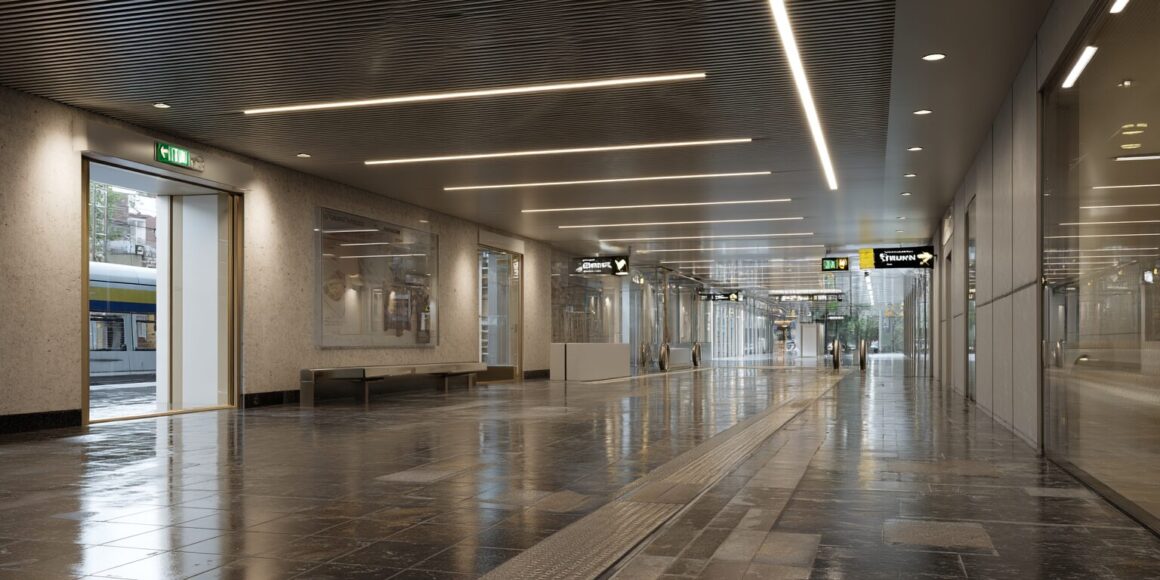
Visually impaired riders are dependent on contrast, clear edges and constant illumination. Flicker, confusing shadows, and a sudden change in brightness will cause a simple walkway to seem risky. Good lighting contributes to tactile indicators, handrails and signage to allow people to move with confidence
Visitors and non-native speakers rely on visual information more than on language. Simple hierarchies in light and colour help them to determine platforms, exits, and transfers. I once observed a family in a foreign city being ignorant of signs and just going straight down the brighter path to the main concourse. It worked.
Some riders suffer from higher anxiety. Calm, predictable lighting, information display and reduced use of visual clutter may help reduce stress. One station improvement especially focused on softer transitions and better way finding received more positive rider comments than any technology feature. People were just more comfortable.
Planning For A Station Lighting And Technology Upgrade
If your stations are of the more antiquated variety, you may feel a little intimidated in certain ways as to where to begin.
Begin with a safety and operations walk through at nighttime. Bring security, maintenance people and operations staff along. Mark out blind corners, dark areas, areas of trouble and areas of the situation where staff feels exposed. Ask riders where they are most dysfunctional. That feedback is often very blunt, but useful.
From there, assemble a team of project experts in lighting, security and technology. Plan phascling work so that you do high risk zones before: platforms, stairs, remote entrances. I like to start with a pilot area to help test fixtures, controls and settings before rolling out across the network.
Commissioning matters. Test light levels, camera views and trigger logic on site. Train staff in operation of the control interface and document everything so future teams are not guessing. It is not glamour work but pays off.
FSG Branch Locations And Local Support
Local knowledge can mean the difference between a successful station project and a disaster.
Teams with knowledge about regional code, transit standards and utility incentives can get you from idea to installation in a shorter amount of time. These are the people who know what fixtures are durable in your climate and which smart lighting systems work well within your IT rules, and where things typically get stalled.
This is where your connection to FSG branch locations becomes practical. Regional branches can walk your sites, conduct a review on existing gear, and can help you prioritize upgrades that will increase safety without busting the bank. They can also lend a hand with the commissioning and long term service so that your system does not sound out of tune after year one.
When you are ready, consider the nearby FSG location branches and set up a walkthrough and start with one or two stations. Small visible wins create momentum.
Real Life Examples And Case Studies
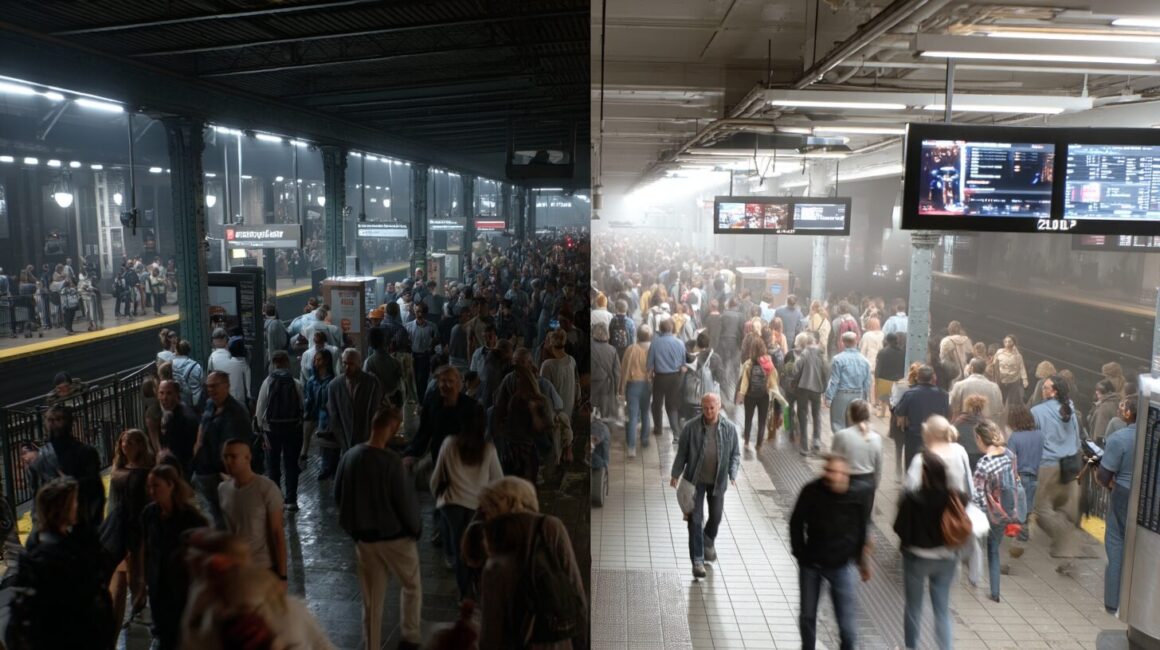
Let me give you a few patterns I am keeping seeing.
In one old downtown station platforms and concourses wore out yellow fixtures of poor color rendering. Cameras were hard to use, and often times, staff couldn’t clearly identify people. Some focused improvements to LEDs and improved aiming did not result in absolute disappearance of recorded incidents, but in a much faster and correct investigation.
referring to a parking structure near a suburban station, “there were frequent acts of vandalism in stairwells.” Lighting wasn’t technically there, but there was dim and uneven lighting. The agency replaced fixtures with brighter and more uniform fixtures, added motion-based controls and repositioned cameras. Vandalism had declined and riders felt safer walking alone.
A new station project incorporated lighting, CCTV, access control and PA from day one. There they programmed rush hour, normal operation and emergencies scenes. On a real incident being performed the control room moved to an emergency scene that assisted in the clearing of platforms in a short amount of time. Staff could later say that the environment did half their work for them.
How To Get Started with your Next Station Project
If you are the station manager, you probably already have a good idea where the trouble is.
Ask yourself: what are the zones that are the most worrying for you? Where do riders complain? Where do no staff stand isolation? Obviously, how often do you receive reports of outages or lack of visibility that persist for weeks on end?
For the next 90 days, you can go to key stations at night and photograph any problems and map these problems against incident data. Then from there to engage partners that know solutions on lighting, controls, and security integration. Start with a pilot: a single of one platform, entrance, or parking area.
You must not take to fix all at one time. You just need a visible and obvious first step which helps you to improve safety, improve visibility and proves the worth of integrated lighting and technology in your very own network.
About Author