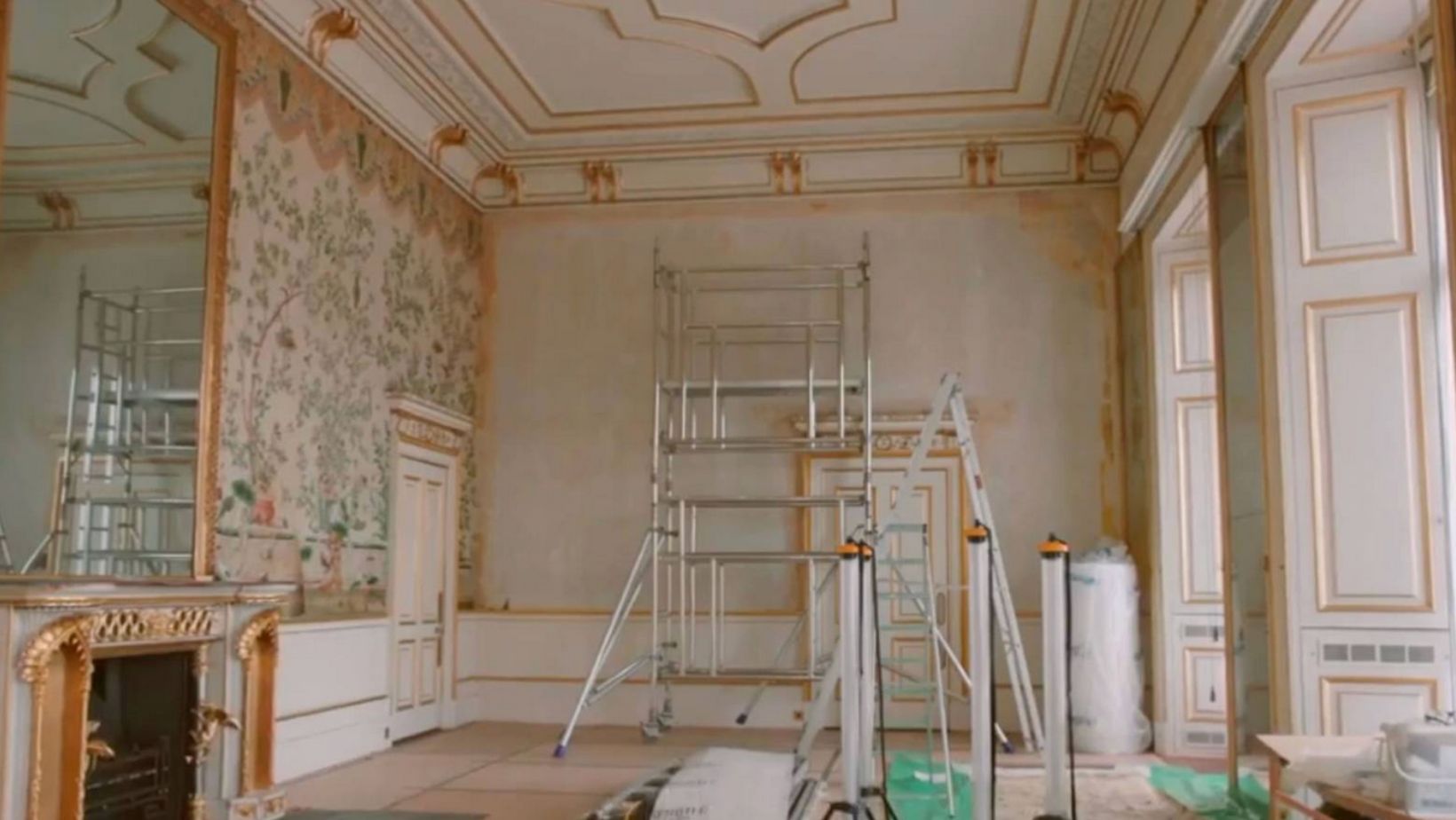
‘It’s got good bones.’ That expression is often used to describe a well-built home with great potential. These homes are strong candidates for renovation to create practical living spaces. What begins with a once-over can become an entirely different phenomenon. Naturally, it’s all about ideation and creation; transformative, functional, and aesthetic changes. On a basic level, every home showcases a bottom, middle, and top section. Each of these elements is critical to the home’s equilibrium. New and existing homeowners routinely spruce up their living spaces to accommodate a range of lifestyle changes, choices, and preferences.
From the bottom up – significant changes are afoot
Terra firma. It all begins underfoot. For many homeowners today, it’s important to have wider doorways, hallways, and walkways. Back in the day, narrow entrances, dimly lit corridors, and tighter spaces were the norm. The modern home is all about space. There’s lots of it, even in smaller homes, thanks to open floor plans, limited barriers, and smooth, even transitions between rooms.
It’s aesthetically pleasing and a safe approach that works. Level surfaces throughout the home dramatically reduce fall hazards, enhancing personal safety, while providing seamless, unimpeded access to all areas of the house.
Equally important are the wider doorways and hallways, which facilitate easy passage for both non-disabled and disabled individuals. The inclusion of assistive accoutrements, such as limited but necessary handrails, gently sloped ramps where required, and nonslip surfaces, is equally important. Rudimentary changes to a home’s safety features can have outsized implications for its occupants’ health and wellness.
The groundwork is an essential requirement, as it lays the way for everything else that follows. A solid foundation is a platform that anyone can build upon. You feel it most when you stop thinking about where you’re stepping, when you move from room to room without slowing down, adjusting your stride, or bracing for a threshold you know is there.
Once you start to think seriously about upgrading a home, the practical side of those ideas routinely comes into focus. How do you make it happen? Some homeowners use their savings. Others tap into traditional loans or lines of credit, for veterans and active-duty service members, VA loan options can make large projects more accessible.
And for many people who already own their home, a NewDay USA mortgage refinance option becomes a natural part of the conversation. These refi options are simply one of the ways homeowners find the breathing room they need to make smart, meaningful changes that help their house function better. Often, the costs of remodeling can deter homeowners from undertaking necessary projects. Fortunately, there are effective ways to affordably manage expectations without breaking the bank.
Walls and verticals – shaping the layout one room at a time
The inclusion – or exclusion – of walls and partitions in a home can make a tremendous difference to the look, feel, and functionality of the living space. Open floor plans are as much about the foundation as they are about the walls between the rooms. Unimpeded access between the kitchen, dining room, and living room presents an altogether different picture for the homeowner.
Barriers to entry demarcate specific and distinct zones in every home, often to the point of redundancy. Nowadays, an increasing number of individuals and families prefer the refreshing ambience of open layouts with minimal partitions between rooms, reduced barriers to entry, and frictionless design. Most people realize something is off when certain rooms are always empty, or when everyone ends up standing in the same doorway because the space never quite works the way it ought to.
Up above and all around – keeping the heat in and the cold out
Ceilings are more than a lid on the container that is a home. They house important structural elements like trusses, beams, boards, and joists. Equally significant is the insulation contained within ceilings. It’s a dense mix of space-age industrial materials that can maintain cool internal temperatures on blistering-hot summer days and a warm internal climate during winter’s frigid embrace.

From a homeowner’s point of view, the upper constructs rarely get the attention they deserve. That’s a shame because insulation is the number one driver of energy efficiency with heating systems, air conditioning units, and atmospheric equilibrium in the home. Viewed in perspective, it’s always a bottom-up or top-down analysis when home renovations are considered.
People usually notice the upper parts of a home when the house is too hot for no obvious reason. Sometimes, a homeowner may get a sense that something is amiss when the air feels clammy or chilly, or perhaps a utility bill arrives, and it doesn’t match the overall comfort of the home. Once the air up there feels just right, you can pat yourself on the back for a job well done!
About Author