Outdoor dining has become one of the defining features of modern hospitality environments. Restaurants, luxury hotels and coastal resorts now depend on outdoor dining spaces not as seasonal extensions, but as central experiences that shape guest expectations year-round. As these spaces become more integral to the guest journey, design teams are prioritizing durability, comfort and cohesive aesthetics in ways that align with commercial performance standards.
For many designers, the benchmark for hospitality-grade outdoor dining begins with the craftsmanship and material intelligence found in trade-only manufacturers such as Walters Wicker and its outdoor division, Walters Outdoor. Their emphasis on long-lasting materials like teak, aluminum, rope and all-weather woven fibers provides a clear model for what works in the demanding environments that restaurants and resorts manage every day.
Here is a closer look at the guiding principles behind designing high-performance outdoor dining spaces that support both style and long-term reliability.
1. Prioritize materials designed to handle heavy commercial use
Outdoor dining furniture must withstand more than the elements. It must endure constant movement, daily cleaning, food and beverage spills, and guest turnover. To meet these demands, hospitality designers consistently turn to materials with proven commercial performance.
The leading choices include:
- Teak, valued for its strength and moisture resistance
- Powder-coated aluminum, offering corrosion resistance and low maintenance
- High-performance rope, which dries quickly and maintains tension
- All-weather woven fibers, which offer natural texture with structural stability
These materials appear across many Walters Outdoor collections, reflecting their suitability for long-term commercial environments.
Using durable materials helps reduce operational strain and maintains the visual consistency restaurants and resorts rely on.
2. Seating comfort influences dwell time and guest satisfaction
Outdoor dining seating needs to balance comfort and practicality. Guests spend extended periods in dining chairs, and uncomfortable seating directly affects the overall experience.
Hospitality designers consider:
- Ergonomic seat heights and back angles
- Stable, commercial-grade frames
- Performance cushions that dry quickly
- Breathable materials that stay comfortable in warm climates
Well-designed commercial outdoor seating enhances both leisure dining and high-volume service environments. Comfortable, durable seating helps ensure that the guest experience feels intentional and refined.
3. Shade and microclimate control shape usability
Outdoor dining areas must stay comfortable across many conditions. Shade planning, airflow and microclimate control are essential components of dining space design.
Key elements include:
- Permanent or retractable shade structures
- Umbrellas that anchor safely in commercial environments
- Wind protection through screens or strategic layouts
- Materials capable of resisting heat exposure
These factors help extend usable hours for outdoor dining, which improves profitability for restaurants and enhances the guest experience for resorts and senior living communities.
4. Layout should support operational flow and guest privacy
The best outdoor dining spaces balance beauty with efficiency. Layout decisions affect everything from service speed to guest comfort.
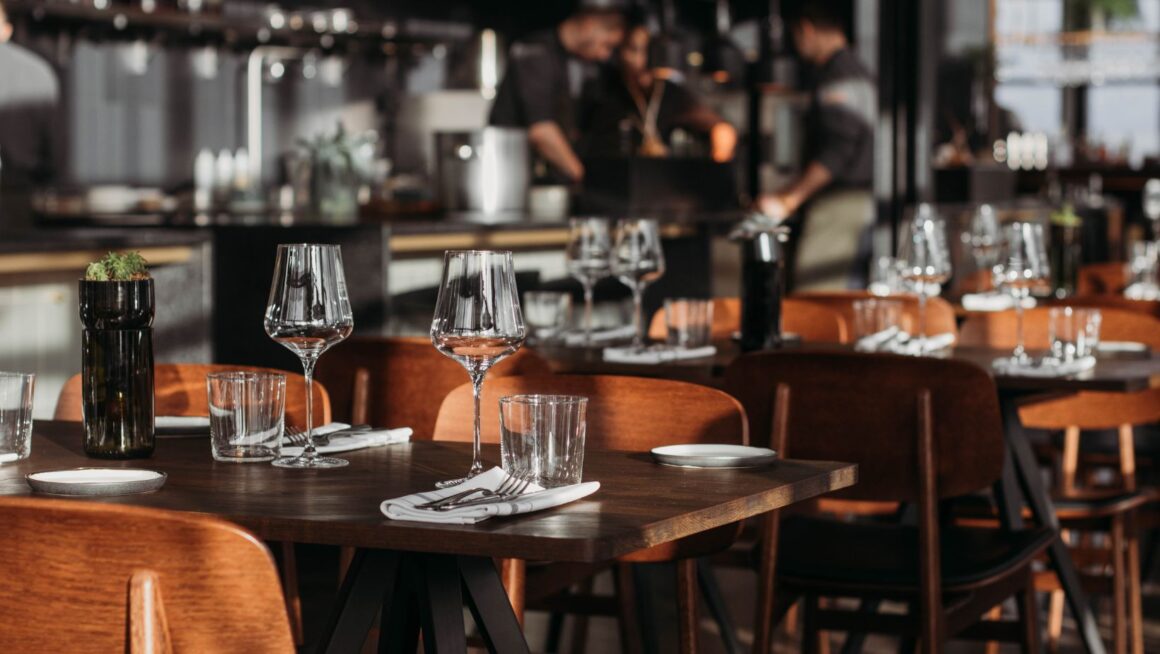
Hospitality designers often map layouts to ensure:
- Clear pathways for servers
- Separation between dining and lounge zones
- Adequate spacing between tables for privacy
- A mix of seating types to support diverse group sizes
Design teams building layouts for luxury resorts or hotel dining terraces often use furniture collections with consistent proportions and cohesive silhouettes. This strategy helps large outdoor areas feel unified without requiring identical pieces.
5. Lighting enhances ambiance and extends service hours
Outdoor dining experiences often transition from daylight into evening service. Light quality influences the atmosphere, safety and usability of the space.
Effective strategies include:
- Soft, indirect lighting along pathways
- Low-glare fixtures near dining tables
- Warm color temperatures to create a welcoming tone
- Integrated lighting within architectural features
While lighting equipment varies by project, high-quality outdoor furniture must pair well with lighting schemes, making neutral material palettes and refined silhouettes valuable for hospitality applications.
6. Furniture should express brand identity
Outdoor dining areas are some of the most photographed environments on hotel and restaurant properties. They must reflect the character and visual identity of the brand.
This is where mixed material palettes become powerful design tools. Pairing elements such as teak, aluminum and woven fibers allows designers to express an ambiance that aligns with the aesthetic tone of the property.
Collections from companies like Walters Wicker help inspire these environments by demonstrating how cohesive material selections can elevate the entire guest experience.
7. Longevity is key for operational consistency
Restaurants and resorts depend on stability. Maintenance-heavy furniture disrupts operations and increases long-term expense. Designers consistently choose contract-grade outdoor furniture because it maintains structural and aesthetic integrity through years of heavy use.
Benefits include:
- Reduced replacement cycles
- Lower annual maintenance
- Visual consistency across seasons
- Fewer disruptions to the guest environment
Durability is not an optional feature in hospitality. It is foundational to operational success.
8. Indoor–outdoor continuity is defining modern hospitality design
One of the strongest trends in dining design is the seamless transition between interior and exterior spaces. This approach extends the brand experience while making outdoor dining feel intentional, not secondary.
Designers achieve continuity through:
- Coordinated finishes and materials
- Similar silhouettes across interior and exterior seating
- Palettes that echo indoor textures
- Modular layouts that support different seating arrangements
Walters Outdoor collections often reflect this philosophy, offering hospitality teams materials and forms that bridge both environments naturally.
Elevating outdoor dining through thoughtful design
Outdoor dining spaces have become crucial to how hospitality brands shape identity and guest experience. Designing environments that succeed operationally, visually and structurally requires attention to materials, comfort, climate resilience and long-term performance.
Manufacturers such as Walters Wicker and Walters Outdoor serve as benchmarks for commercial-grade outdoor design. Their focus on durable materials and cohesive aesthetics offers insight into how restaurants and resorts can create outdoor dining spaces that feel both inviting and resilient.
As hotels and restaurants continue investing in their exterior environments, the dining spaces that embrace thoughtful design and high-performance materials will set the standard for the next era of hospitality.
About Author