
Home improvement projects seldom fail due to faulty intentions. They fail because decisions are made too quickly, with little clarity. On paper, everything looks OK. The measurements add up. Layouts appear sensible. Inspirational photographs are convincing. Then the work is finished, and something feels odd. The room feels tighter than imagined. The kitchen looks nice, but it doesn’t flow. A seemingly logical decision does not work in practice.
This occurs frequently in middle-class houses, where room, budget, and daily function all must coexist. There is less opportunity for trial and error. Visual planning with a professional 3d visualisation studio allows homeowners to see their future space before making irrevocable decisions.
Understanding why traditional planning falls short.
Limitations of Two-dimensional Plans
Most renovations begin with sketches, mood boards, or basic floor designs. These tools are helpful, but they have limitations. They don’t convey how a room feels as you go through it. They do not show how natural light affects the area throughout the day. They cannot demonstrate how furniture, storage, and movement interact once everything is in place.
Floor layouts convey dimensions and spatial relationships, but remain abstract. A 12-foot by 14-foot room is merely numbers and lines on paper until you see it in three dimensions.
The Difference Between Imagination and Reality
Homeowners are forced to imagine outcomes rather than seeing them. Some guesses work out fine. Others do not, and repairing them afterward requires time, money, and patience.
This imagination gap causes widespread problems:
Furniture fits on paper but dominates the actual area. Layouts appear efficient, yet generate problematic traffic patterns. Color selections appear to vary under real lighting. Storage solutions do not correspond to how you actually use the space. Design components clash when combined.
Why Middle-Class Homes Have Higher Stakes
Many middle-class homes have multiple rooms for different purposes. Living rooms are transformed into work environments. Kitchens serve as gathering places. Storage must be built in, not added later. Small design flaws are magnified in these settings.
When space is limited, even a few lost centimeters might add up. Poor circulation becomes bothersome rapidly. Awkward storage solutions can lead to daily annoyance. There is just less room for error when every square meter must function efficiently.
How Visual Previews Can Transform the Planning Process
Seeing the Space alters the conversation
When you see a space rather than imagine it, you make different conclusions. When evaluated from a human perspective, a previously practical plan appears congested. A wall that was necessary now appears hefty and blocks off the room. When viewed in its whole, a design choice that appears bold at first glance becomes distracting.
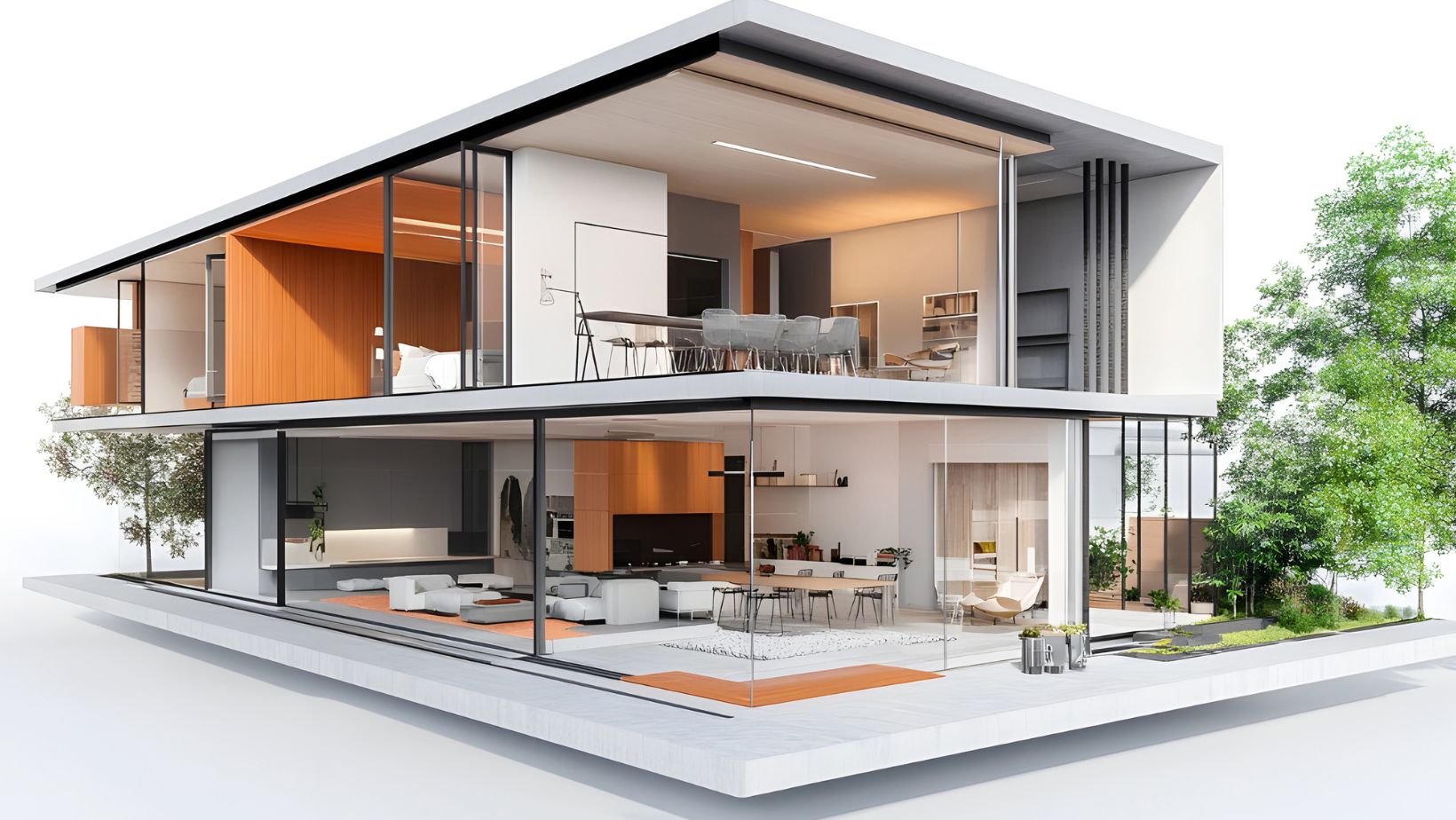
This transition from abstract planning to visual comprehension is the primary benefit of three-dimensional previews.
Transition from “Will This Work?” to “Does This Feel Right?”
Traditional planning requires homeowners to ask theoretical questions such as “Will this work?” “Should this fit?” “Might this look good?” These questions are founded on both hope and calculation.
Visual previews enable for alternative inquiries, such as “Does this feel right?”. “How does this space make me feel?” “Can I see myself living here comfortably?” These inquiries stem from direct observation and emotional response.
The difference is important. Homes are experienced emotionally as well as functionally.
Understanding Spatial Relationships in Context
Visual previews demonstrate how design elements interact.
How do cabinet heights relate to ceiling lines? How furniture scale impacts room proportions How entrances frame views of nearby spaces. How window positioning affects furniture layout.
These linkages are difficult to assess using floor plans alone, but become evident when examined in three dimensions.
Lighting and Design Success
Why Lighting Affects Everything
Light has a greater impact on space than any other aspect. A space that appears bright and welcoming at noon may feel flat, cold, or uninviting later in the evening. Materials that appear warm in natural light may appear harsh under artificial lighting.
Most homeowners base their design decisions on samples displayed in showroom lighting or inspiration photographs taken under optimal settings. Neither shows how the materials and colors will appear in their actual home.
Testing Light During the Day
Advanced visual previews can imitate illumination at various periods.
Morning light from east-facing windows. Midday brightness from southern exposure. Afternoon shadows from the Western Sun Evening atmosphere with artificial illumination.
Understanding these variables prior to installation helps to avoid costly mistakes and ensures that spaces are comfortable to use.
Material Selection in Real Conditions
Paint colors, flooring materials, countertop finishes, and fabric choices all react to light differently. What looks to be warm beige in a sample can read as frigid gray in northern light. Wood tones that appear rich in images may seem overly dark in a small room with few windows.
Visual previews display materials in illumination that correspond to the actual installation environment. This allows for more assured selection.
Practical Planning Strategies with Visual Previews
Test Movement, Not Just Layout
When analyzing visual previews, don’t concentrate just on where the furniture sits. Consider how you walk across the room on a normal day.
Consider the following movement patterns:
Where will you enter the room? Where do you usually halt or pause? Where do walking paths cross? How do you gain access to storage or work surfaces? Where do you stand when you’re using the space?
If circulation feels unpleasant in a preview, it will feel even worse in reality. Movement should feel natural and unrestricted.
Prioritize Problem Areas First: Use visual previews to test the most risky portions first.
- Kitchens with sophisticated storage and workflow
- Bathrooms where space efficiency is crucial
- Narrow corridors and transitional zones
- Multi-purpose rooms serve numerous functions
If these difficult parts work out in previews, the rest usually goes smoothly.
Compare options side by side
Instead of committing to a single option right once, consider two or three possibilities. Small modifications often result in larger differences than expected:
Cabinet depth variations of 5-10 centimetres. Different Sofa Sizes Kitchen Island Width Adjustments Window Treatment Styles
A side-by-side comparison shows which option genuinely feels better.
Plan Storage Based on Actual Behavior
Visual samples allow you to examine where everyday clutter naturally gathers: near doors, in kitchens, and around desks. Design storage based on how you actually live.
Where do you leave keys and mail when you enter? Where do shoes and bags collect up? Where do you prepare your meals, and where does stuff accumulate? Where do you work, and what should remain accessible?
Designing storage around behavioral patterns results in areas that remain usable over time.
Enhancing Communication with Professionals
Reducing the Interpretation Gap
Miscommunication is one of the most typical causes of conflict during home improvement projects. Homeowners explain one vision, specialists interpret another, and issues only surface after work begins.
Visual references help to bridge this gap. When everyone looks at the same three-dimensional depiction, expectations are clarified. Discussions progress from abstract descriptions to concrete observations.
Use Visuals to Ask Better Questions
Include previews in interactions with contractors or designers. Ask: “Does this clearance really work for daily use?” for specific elements. “Will this feel tight once everything is built?” “What problems do you foresee with this approach?”
This transforms nebulous concerns into concrete discussions.
Developing Shared Understanding
Visual previews serve as a common reference throughout the process. When questions arise during construction, everyone can refer to the same visual baseline. This eliminates the drift that frequently occurs when working from memory or verbal descriptions alone.
Managing Budget and Expectations
Avoiding Expensive Mistakes
Design errors produced on paper are inexpensive to correct. Design errors detected after installation are not considered. Visual previews reveal flaws during the planning stage, when adjustments are free.
Common costly mistakes were prevented:
Furniture that does not fit through doorways. Appliances that prevent cabinet access. Lighting fixtures positioned incorrectly. Materials that conflict when placed together.
Each avoided mistake results in direct budget savings as well as reduced stress.
Making Confident Decisions. Faster
Uncertainty slows down efforts. When homeowners can’t see the end result clearly, they second-guess decisions, postpone commitments, and alter course halfway through a project.
Visual previews increase confidence. When you can see the end product, you can make decisions and move on with confidence. This decisiveness keeps projects on track and eliminates scope creep, which increases expenses.
Understanding Value Prior to Spending
Not every upgrade provides equal value. Some alterations alter how a space feels. Others make little difference despite substantial costs.
Visual previews aid in distinguishing between high-impact and low-impact modifications before funds are spent. You can see if pricey specialized features genuinely improve the room, or if basic alternatives produce comparable outcomes.
Reducing Stress During the Project
The Mental Cost of Uncertainty
Renovations are stressful not only because of noise and inconvenience, but also because of uncertainty. It’s mentally draining to not know if the outcome will meet expectations. This causes persistent low-level anxiety throughout the endeavor.
Visual previews lessen the mental effort. When you know where the project is going, it’s easier to stay confident, make required changes, and go forward without second-guessing every decision.
Staying Focused on What Matters
When planning becomes overwhelming, visual previews help you center on what’s important: daily function and personal comfort. They remind you of what the project is all about, beyond trends and design guidelines.
Plan for How You Actually Live
Function over Aesthetics
A great home makeover is about making daily life more comfortable. Important functional questions:
Where do you walk the most throughout the day? Where does clutter normally accumulate? Which areas feel busy versus calm? What activities occur on a regular basis and require more support?
Visual planning makes it easy to address these problems before anything is built.
Adapting Spaces for Individual Needs
Every home has a distinct pattern. Some households cook extravagant dinners every day. Others rarely use the kitchen. Some people work from home substantially. Others utilize their homes primarily to rest.
Generic design solutions do not account for these differences. Visual planning provides for true adaptability to individual lifestyles.
Create Comfort, Not Perfection
Don’t strive for perfection while visual planning. Aim for comfort and functionality. If a place feels slightly flawed yet comfy during the preview, it’s usually a good sign.
Homes are not staged; they are actually lived in. The goal is not magazine-perfect aesthetics, but environments that support daily life smoothly while reducing friction rather than creating it.
Common Mistakes. Visual Planning Prevents
Scale and Proportional Errors
Scale is one of the most typical causes of renovation disappointments. Furniture that appeared to be correctly sized on paper takes up too much space in reality. Features that appeared substantial in drawings vanish visually after installation.
Visual previews reveal these scaling difficulties quickly. You see furnishings in the appropriate proportion to the room. You grasp how architectural characteristics affect overall space.
Poor traffic flow
Another common problem is circulation. Layouts that appear sensible in floor designs cause difficult movement in reality. Doorways open into traffic lanes. Furniture obstructs natural walking pathways.
Visual previews allow you to visually stroll across places and determine whether circulation seems natural.
Insufficient Storage Solutions
Many renovations underestimate storage requirements. Cabinets end up being overly deep or shallow. Closets lack practical organizing.
Visual planning allows you to evaluate storage options against actual items and behavior, verifying that storage works.
Making Visual Planning Accessible
Understanding Your Options
Visual planning varies from simple tools to advanced rendering:
Simple 3D modeling program for preliminary layouts. Online room planning applications. Professional Architectural Visualization Virtual Reality Walkthroughs
The appropriate choice is determined by the project’s complexity and budget.
Working with Designers
Many architects, interior designers, and contractors now provide visual planning as a routine service. When evaluating professionals, inquire about their visualization skills and request examples.
Good visual planning should depict your actual area, not generic templates.
Balancing Cost and Value
Professional visualization increases the expense of preparing budgets. However, this expenditure often saves considerably bigger costs due to design errors.
Consider how much visual planning costs in relation to the overall project budget. For larger projects, the insurance benefit of viewing before building is worth the cost.
Conclusion
Most house improvements do not need to be overly ambitious. They should be more informed. Seeing your environment before making irrevocable judgments does not take creativity out of the equation. It keeps it grounded. It transforms hope into comprehension, and ideas into results that work.
Visual previews are more than just useful for homeowners looking for fewer surprises and better results. They are quietly transformative. They transform planning from guessing to confidence, from theory to practice, from hoping to succeed to knowing it will.
Whether you’re planning a kitchen makeover, reorganizing living rooms, or upgrading your entire house, spending time on visual planning pays off both during and after the project. The better you can imagine your future area, the more probable it will support your existence in the way you require.
About Author