Your business floor needs to look good and work hard. It faces daily traffic, spills, and furniture. The right choice improves safety, reflects your brand, and lasts for years. Selecting from various flooring options for your business requires careful thought. This guide offers tips to help you pick the best type for your commercial space.
Prioritising Durability and Traffic Levels
First, consider how much activity your floor will face. A busy retail store needs a different surface than a quiet office. High foot traffic areas require extremely durable materials. These surfaces must resist scratches, scuffs, and constant wear. For entryways and main corridors, choose the toughest products available. Softer materials may work well in private offices or conference rooms with less use.
Ensuring Safety with Slip Resistance
Safety is a non-negotiable factor in commercial settings. Slip and fall accidents pose serious risks. Always select flooring with adequate slip resistance, especially in public areas. This is crucial for restaurants, cafes, and shops where spills occur. Many vinyl, rubber, and tile products come with textured, non slip surfaces. Check the product’s slip resistance rating before you decide. Safety should always influence your final choice.
Managing Maintenance and Hygiene Needs
Think about daily cleaning and long term upkeep. Some floors need frequent polishing or special treatments. Others simply require regular mopping. In food service or healthcare, seamless, non porous surfaces are vital for hygiene. These floors prevent bacteria from hiding in cracks. Choose materials that your cleaning staff can maintain easily with standard equipment. Low maintenance floors save time and reduce long term costs.
Reflecting Your Brand and Aesthetics
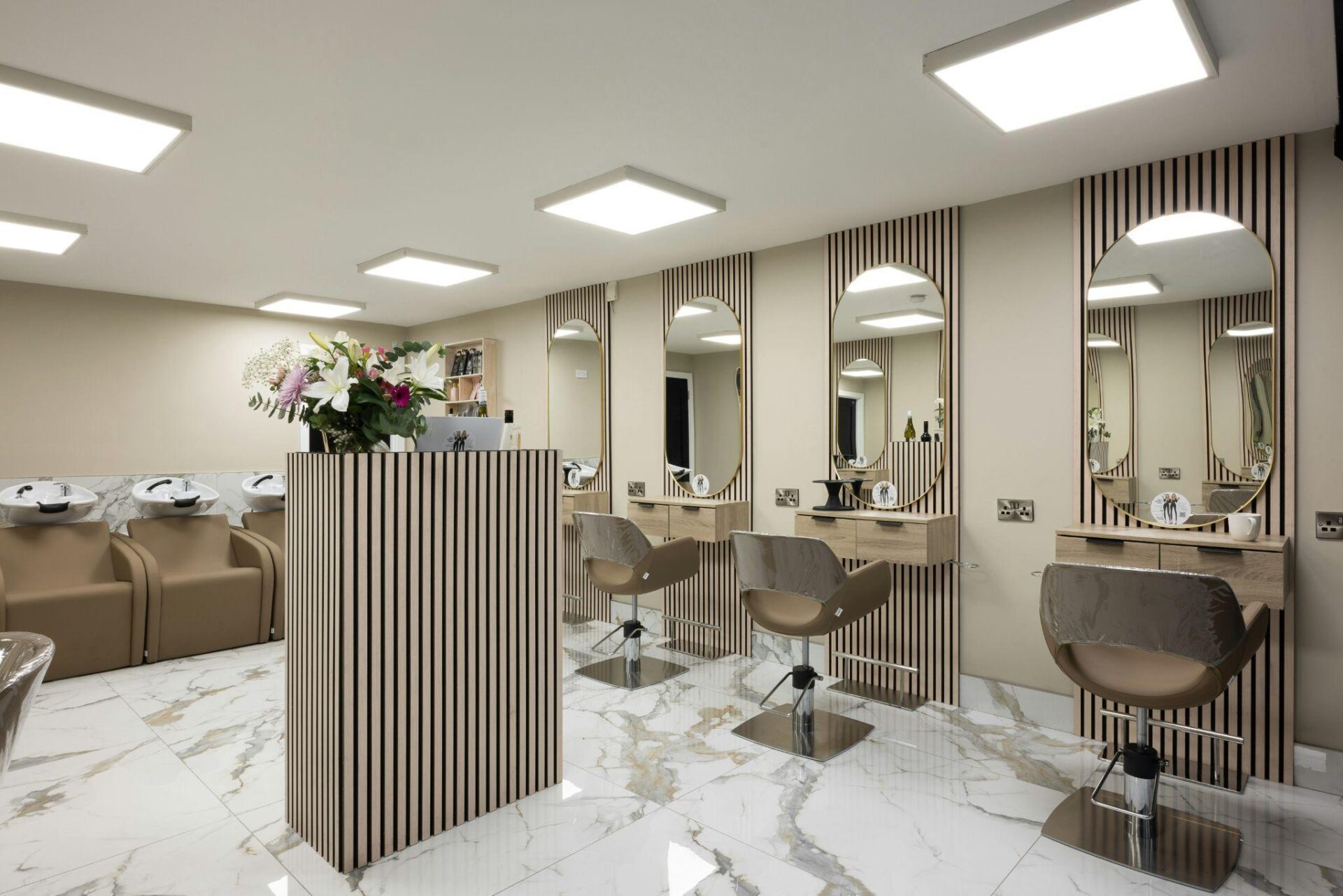
Your floor contributes to your business’s overall image. A luxury boutique might use elegant wood look planks. A modern tech office could opt for polished concrete. The colour and style should align with your brand identity. Flooring sets a visual tone for customers and employees. It can make spaces feel welcoming, professional, or innovative. Ensure your selected material supports the atmosphere you want to create.
Considering Acoustic and Comfort Factors
Noise and comfort affect the working environment. Hard floors like tile or concrete can be noisy. In open plan offices, this may reduce productivity. Carpet tiles or cushioned vinyl help absorb sound. For staff standing all day, like in retail or workshops, floors with some cushioning reduce fatigue. Consider how the floor feels underfoot for both employees and clients throughout the day.
Navigating Budget and Long Term Value
Budget is always a key consideration. However, view flooring as a long term investment. Cheaper materials may need replacing sooner. More durable options often have a higher initial cost but offer better lifespan. Calculate the total cost of ownership, including installation, maintenance, and expected durability. Sometimes, spending more initially saves money over many years of service.
Selecting Specific Materials for Sectors
Different industries have ideal floor types. Retail spaces often use luxury vinyl tile (LVT) for its style and strength. Healthcare facilities require specialised safety vinyl with seamless installation. Industrial sites need heavy duty epoxy resin or polyurethane coatings. Offices frequently combine carpet tiles for quiet areas with hard flooring in lobbies. Always consult a specialist who understands your sector’s unique demands.
Choosing commercial flooring requires balancing many factors. Start by analysing the practical demands of your space. Then, consider how the floor supports your brand image and safety obligations. A well chosen floor is a foundational business investment. It operates quietly in the background while supporting your daily operations, protecting your people, and presenting the right image to the world. Consulting with a commercial flooring expert ensures your selection meets all these goals effectively.
About Author