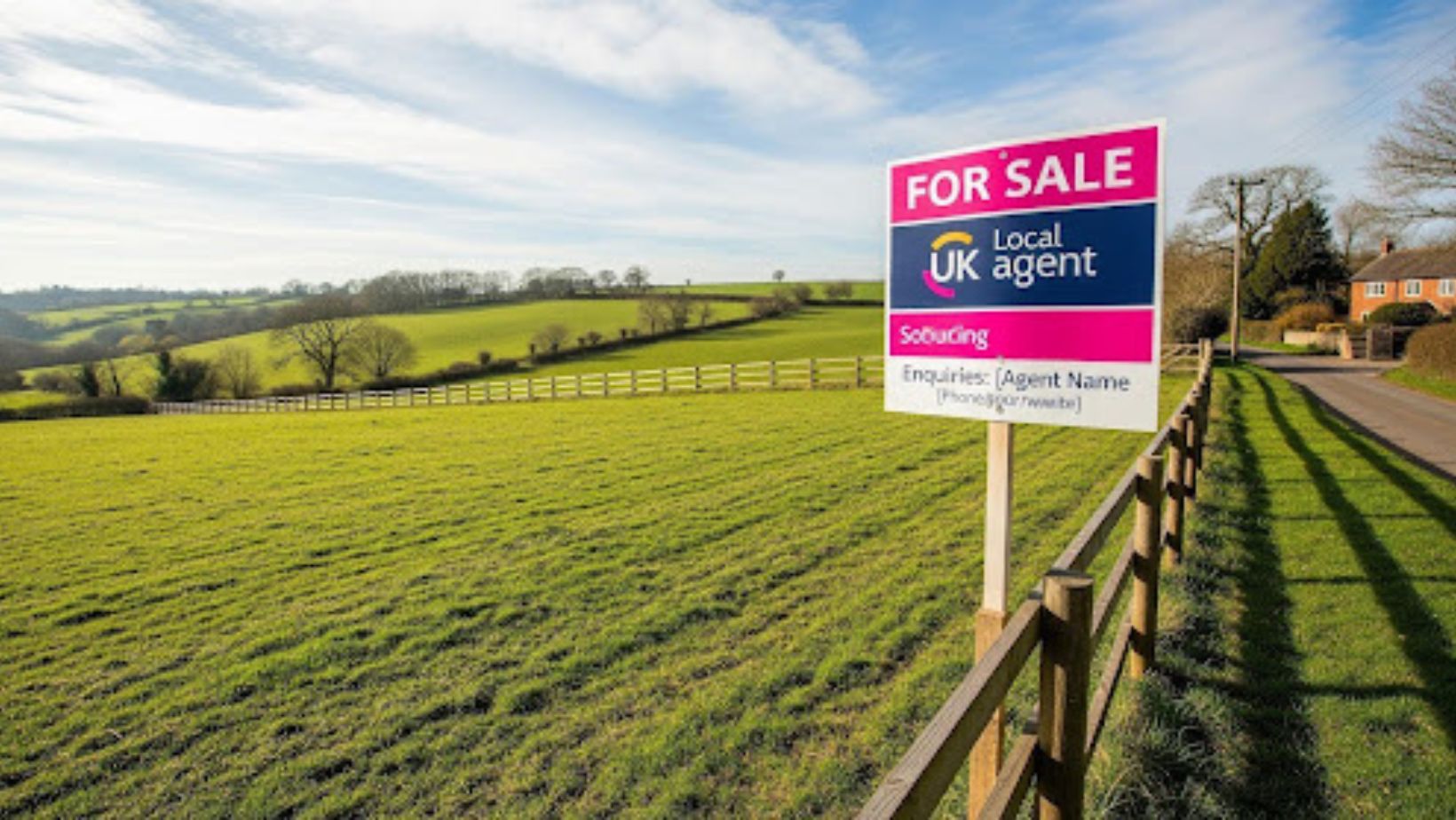
Holding an undeveloped parcel often feels like a puzzle. Is it a dormant asset waiting for a spark, or a financial anchor needing release? This idle land represents both a unique challenge and a significant opportunity. For landowners, the central question becomes whether to crystallize its value through a sale or cultivate its potential through investment. Each path requires a clear assessment of your goals, the property’s unique attributes, and the mechanics of the market.
Evaluating Your Core Objectives
Begin by clarifying your personal and financial aims. Are you seeking immediate capital for another venture, or are you building long-term wealth? Your timeframe is crucial. A strategy to sell your land fast provides rapid liquidity, ideal for those with urgent financial goals or a desire to exit ownership quickly. In contrast, investing demands patience for appreciation and possible future income. Consider your management appetite. Active investment may involve development oversight or leasing agreements. Aligning the land’s fate with your core priorities is the essential first step toward a profitable decision.
Assessing the Land’s Inherent Value
A professional evaluation uncovers your property’s true potential. Key factors determining worth include zoning regulations, road access, and utility availability. Location proximity to expanding towns signals development potential, greatly increasing its market price. Natural resources like tillable soil, mature timber, or water features add substantial value for specific buyer groups. Recreational appeal for hunting or fishing also creates a dedicated market. Understanding these attributes reveals whether your plot is more valuable as a blank canvas for others or as a held asset you can develop.
Understanding the Realities of Land Investment
Choosing to retain and invest in land offers distinct advantages. Historically, land values show steady, long-term appreciation with less volatility than stocks, providing a stable store of wealth. It can generate passive income through avenues like agricultural leases, hunting rights, or timber harvests.

Unlike purely paper assets, land is a tangible investment you can physically use and enjoy. Furthermore, strategic improvements you make, from clearing vistas to adding access roads, can directly boost the property’s market value over time.
Preparing for a Successful Land Sale
If selling aligns with your goals, preparation is paramount. The cardinal rule is accurate, competitive pricing based on recent comparable sales; overpricing is a primary reason land fails to sell. Enhancing curb appeal by clearing debris and maintaining boundaries makes a strong first impression. Compiling all documentation—surveys, title reports, zoning details—streamlines the process and builds buyer confidence. Finally, high-quality marketing with professional photos, drone footage, and detailed maps is essential to showcase the property’s full potential to interested parties.
Choosing the Right Sales Method
The method you select can significantly impact your outcome. A traditional listing with a specialist land agent provides market exposure and expert negotiation. For those prioritizing speed and certainty, a well-marketed auction creates a fixed deadline and competitive bidding environment, often leading to a swift, unconditional sale. This can be an ideal solution for executors, those relocating, or investors looking to quickly redeploy capital. Exploring a guaranteed cash offer from an investment company is another route for a speedy, as-is transaction.
Navigating Taxes and Legal Considerations
Both selling and holding have important financial implications. Selling will likely trigger capital gains tax on your profit; consulting a tax advisor is crucial. In some regions, placing a conservation easement on the property can provide significant tax benefits while preserving the land. If you choose to sell, be prepared for buyer due diligence on access rights, water rights, and environmental factors. A clear title and understanding of local transfer regulations are non-negotiable for a smooth closing process.
Making Your Strategic Decision
Ultimately, the choice is deeply personal. Selling is often the best path for those needing liquidity, unwilling to manage property, or when the market price exceeds perceived long-term value. Investing suits individuals with a longer horizon, a desire for a tangible, usable asset, and the patience to manage or improve the land. There is no universally correct answer, only the right decision for your circumstances. Idle land is not a liability, but a vessel of potential waiting for your direction. By carefully weighing these factors, you can transform your sleeping asset into a source of financial gain or personal fulfilment.
About Author