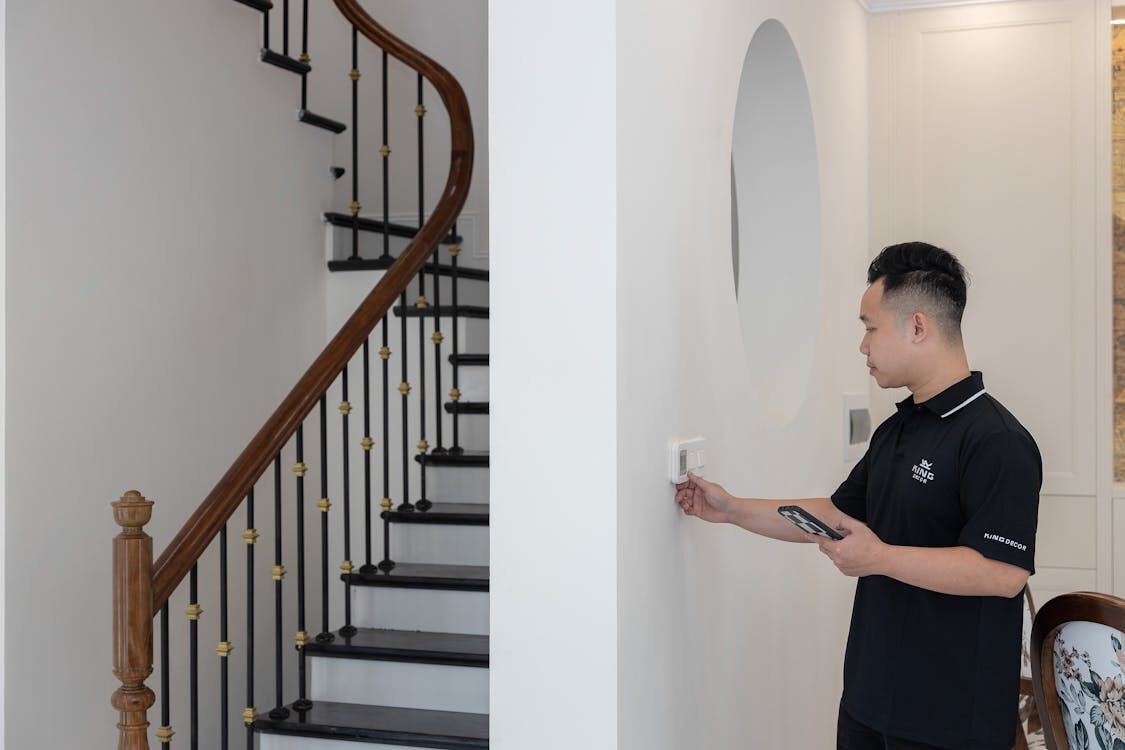
Building a home with separate rooms that each feel comfortable in temperature can be a challenge if climate control is treated as an afterthought.
Today’s homeowners expect bedrooms, living rooms, offices, and other spaces to stay comfortable on their own schedules. That is why zoning has become a major part of modern residential design.
Understanding How Zoned Climate Control Shapes a Home
Climate control works best when the layout and mechanical plan are designed together.
Each room has its own solar exposure, insulation level, and heat gain from everyday activities. Newer homes benefit from micro zoning because it allows each space to maintain its ideal temperature with less wasted energy.
How Different Rooms Influence Climate Needs
A media room filled with electronics might be warm, while a guest bedroom on the north side may stay cool for most of the year.
Such differences make whole-house temperature strategies less effective. Zoning lets each room stay individually balanced.
Early Planning Avoids Common Comfort Issues
Good zoning design starts before the first wall goes up.
Load calculations, thermostat placement, and airflow pathways all depend on understanding how each room will be used.
Design Priorities
Here are some things you should prioritize:
-
Track sunlight and window placement.
-
Keep thermostats away from heat sources.
-
Avoid blocking supply and return airflow.
Exploring Options for Zoned Climate Control
When you plan a multi-room home, one key decision is how each area will be conditioned.
Zoned climate control can be achieved through ducted systems with zone dampers, hybrid layouts using multiple small air handlers, or ductless systems that give each room its own independent control.
When the floor plan includes multiple independent rooms, a 7 zone ductless mini split system could be used to give each area its own climate setting.
The best option for your specific property depends on how many distinct living spaces there are and how often they are used.
Matching System Types to Room Layouts
Open-concept homes may only need two or three zones, while homes with many enclosed rooms will benefit from a higher number of zones for better comfort and control.
How Load Balancing Supports Efficiency
When each zone is sized correctly, the equipment does not overwork or cycle unnecessarily. This improves comfort and reduces energy use over time.
Designing for Smooth Integration
Zoned climate systems are one of the leading influences on modern HVAC planning because they require thoughtful coordination between architecture and mechanical layouts.
Once you know which zoning method works best, the next step is to integrate it into the structure of the home.
Planning for Equipment Placement
Indoor components should be positioned in areas that are easy to access for future maintenance.
Outdoor equipment needs proper clearance and airflow, so early planning will avoid issues later.
Keeping Ductwork and Line Sets Organized
Whether the home uses ducted zones or ductless units, routing matters. Clean, direct paths reduce energy loss and help maintain reliable performance.
Building Smart Controls Into the Home
Even the best zoning design depends on good controls. Smart thermostats, occupancy sensors, and scheduling features help each zone stay efficient throughout the day.
Why Smart Controls Make a Difference
Automated temperature adjustments keep the system consistent without constant manual changes.
Making Controls Easy for Everyone to Use
Place thermostats at comfortable heights and away from heat sources or electronics. This ensures accurate readings and easier day-to-day use.
About Author