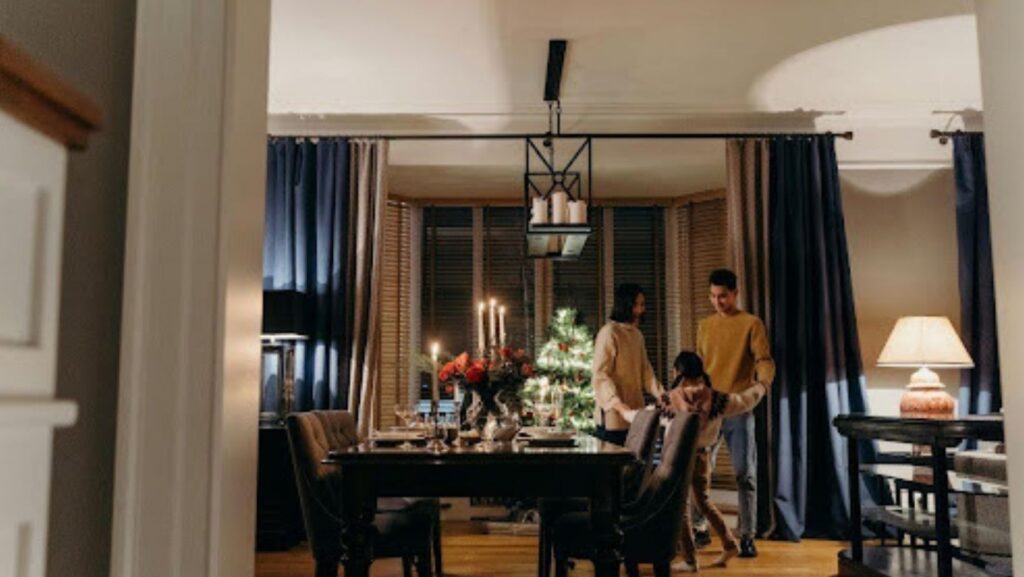
Many homes combine furniture from different eras. A handcrafted cabinet may sit beside a sleek sofa or modern shelving. Such contrasts add character but also create design challenges. Careful planning helps maintain harmony in the space. Designers often focus on proportion, color continuity, and thoughtful placement to achieve cohesion. These principles support creating visual balance when old furniture meets a new interior. Antique pieces introduce craftsmanship and history, while modern surroundings highlight simplicity and open space. When both elements work together, rooms feel layered rather than chaotic. Smart design choices allow traditional details and contemporary comfort to coexist without visual tension.
Mixing Furniture Styles Creates Character
Interior spaces gain personality when furniture from different eras appears together. Traditional craftsmanship introduces detail and history. Modern pieces bring clean shapes and visual clarity. The balance between these contrasts keeps the room comfortable and intentional. For example, designers often arrange a modular sectional sofa for better flow and comfort near older wooden furniture. Such placement supports movement and visual order. Moreover, careful pairing prevents the room from feeling outdated or overly minimal. Contrast works best when each element supports the overall atmosphere. Thoughtful combinations create depth and maintain a clear design direction throughout the space.
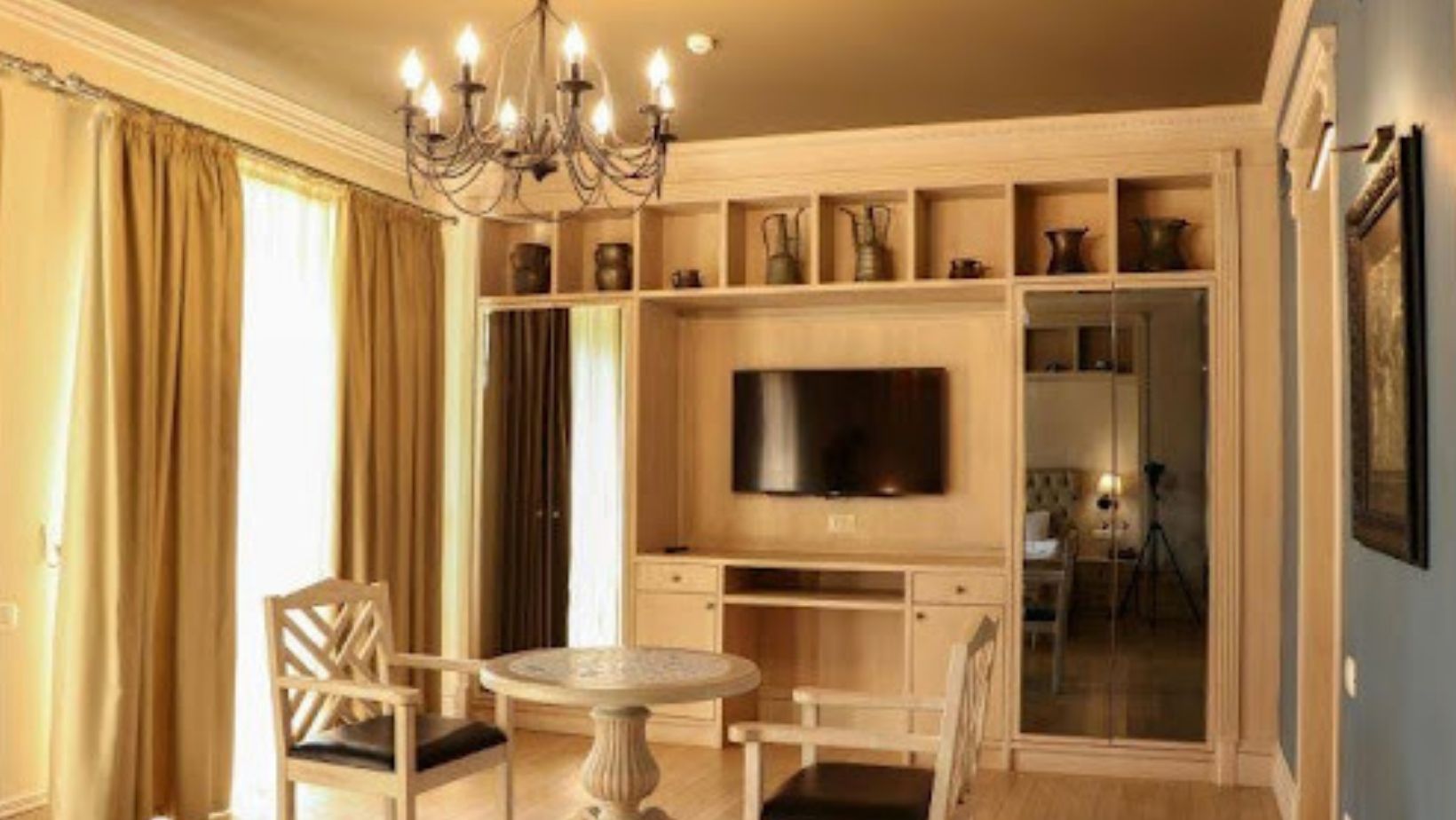
Understanding Visual Balance in Interior Spaces
Visual balance shapes how a room feels and functions. Designers focus on proportion, spacing, and contrast to maintain harmony. Large items require lighter companions, while smaller elements support stability. Color repetition and thoughtful placement also strengthen visual structure. However, balance often becomes clearer after relocation into a new home. Early priorities after moving in usually include furniture placement and spatial organization. Many homeowners first test different layouts before choosing permanent arrangements. During this stage, attention shifts toward comfort, walking paths, and natural light. Gradually, the room begins to reveal a stable composition. Careful adjustments help older furnishings coexist with newer elements while maintaining clarity and order.
Choose a Clear Style Direction
Every room benefits from a clear stylistic direction. Strong focus helps furniture pieces relate instead of competing for attention. A dominant style usually anchors the space. Meanwhile, secondary elements support the overall atmosphere. Designers often focus on creating visual balance when old furniture meets a new interior. This approach encourages harmony between historical craftsmanship and modern simplicity. Careful selection of shapes, colors, and finishes strengthens the connection. Furthermore, restraint keeps the room calm and organized. Gradually, each element begins to support the larger design idea. The result feels cohesive, comfortable, and visually steady throughout the entire space.
Use Color and Art to Connect Styles
Color coordination helps unite furniture from different eras. Repeating tones across upholstery, rugs, and décor builds visual continuity. Neutral shades often support antique wood and modern finishes equally well. Meanwhile, accent colors guide the eye across the room. Designers frequently introduce wall art for living room design to reinforce this connection. Artwork adds personality while echoing existing colors in the space. Furthermore, thoughtful placement strengthens the room’s visual rhythm. Frames, textures, and shapes also influence the overall mood. Gradually, each decorative layer begins to support the larger design direction. As a result, the room feels cohesive, balanced, and visually comfortable.
Balance Scale and Highlight Key Pieces
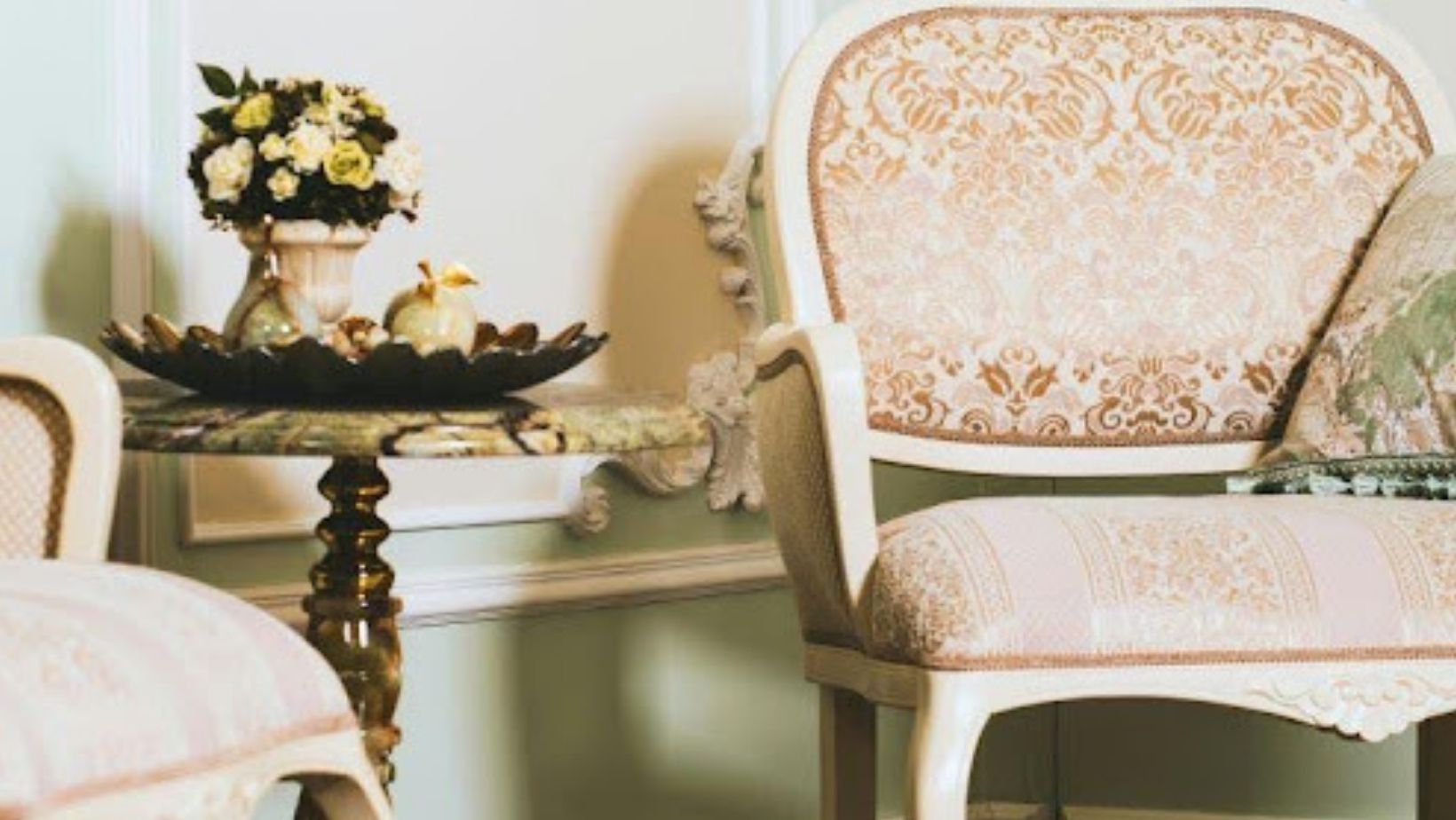
Furniture scale strongly influences comfort and visual order. Large vintage items often carry weight and presence. Modern interiors usually favor lighter shapes and open space. Careful proportion keeps the room steady and pleasant. Designers often share tips for choosing furniture and getting it right during planning stages. Clear measurement and layout sketches help avoid overcrowding. Additionally, one standout piece can anchor the room. An antique cabinet, mirror, or table often works well. Surrounding elements should remain simple and supportive. This contrast allows the focal piece to shine without overwhelming the environment. Gradually, the arrangement feels structured and calm.
Practical Styling Techniques for Creating Visual Balance When Old Furniture Meets a New Interior
- Blend textures for visual depth – Old furniture often shows natural wood grain, carved surfaces, or aged metal details. Meanwhile, modern décor introduces glass, steel, and polished stone. Combining these materials builds contrast and visual richness. As a result, the room gains depth and layered character.
- Use transitional elements to soften contrasts – Transitional furniture bridges traditional and modern aesthetics. Neutral fabrics, subtle patterns, and simple silhouettes help connect different design periods. Consequently, furniture from separate eras begins to feel naturally related.
- Maintain a clean and functional layout – Clear pathways improve comfort and usability. Thoughtful spacing prevents overcrowding and keeps the interior visually calm. Additionally, balanced placement allows every element to contribute to the overall design.
- Introduce modern lighting for contrast – Contemporary lighting fixtures refresh interiors with older furniture. Slim pendant lamps or minimalist floor lights highlight surrounding textures. Moreover, lighting directs attention toward key decorative features while supporting a balanced atmosphere.
Maintain Openness and Light in the Room
Open space supports harmony between different furniture styles. Clear walkways improve comfort and daily movement. Careful spacing also allows each piece to stand out. Large furniture should never block natural light sources. Designers often rearrange layouts to make your living room feel twice as big. Mirrors, lighter colors, and thoughtful placement help extend visual depth. In addition, slimmer furniture legs create an airy impression. Strategic lighting also highlights textures and shapes throughout the room. Gradually, the interior begins to feel organized and calm. Balanced spacing helps older pieces and modern elements share the space naturally.
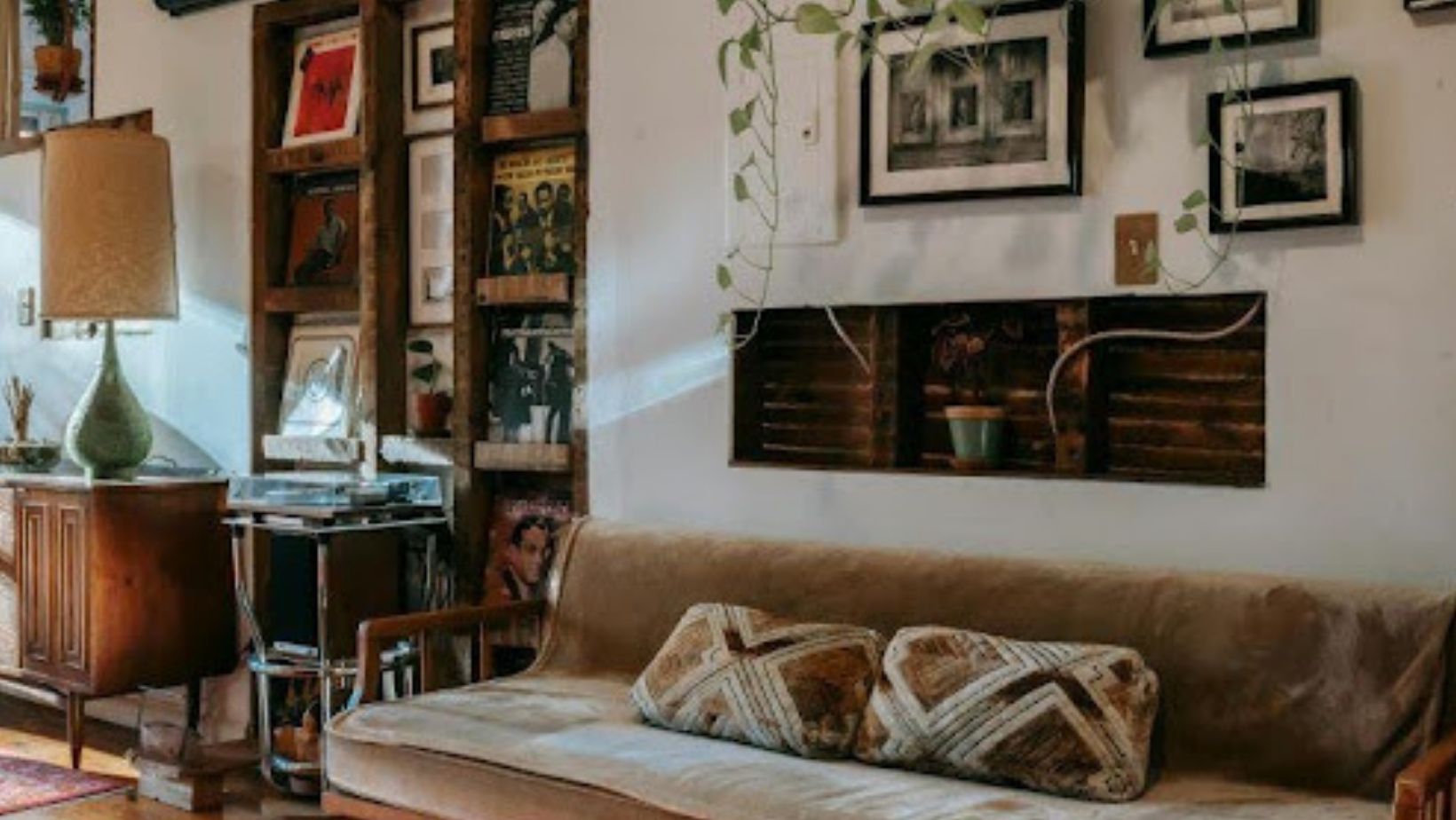
Bringing Harmony Between Vintage Character and Modern Simplicity
Thoughtful design helps different eras coexist inside one room. Interior spaces often feel richer when antique furniture appears beside contemporary décor. Still, balance remains essential for a comfortable environment. Successful spaces rely on proportion, color coordination, and clear focal points. These principles support creating visual balance when old furniture meets a new interior. Vintage pieces contribute texture, craftsmanship, and historical presence. Modern elements introduce clarity, lightness, and organized layouts. Together, they create interiors that feel intentional and timeless. Careful arrangement ensures every item contributes to the overall atmosphere rather than competing for attention.
About Author