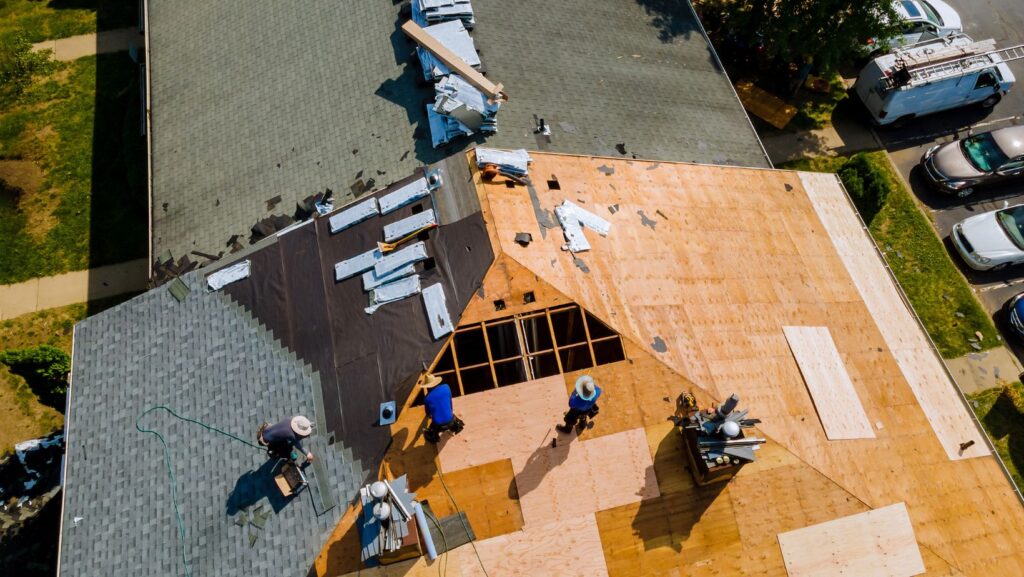
Canadians constantly battle the city’s harsh weather as the seasons change from cold winters to humid summers. The vast landscape of this country suggests that roofing materials should withstand everything from intense sun to heavy snow. Property owners in Canada, including those in Halifax, know that their roof is the first line of defence. Retaining the structural barrier requires constant attention and a clear understanding of how local weather patterns affect roof durability. While climate challenges vary by region, experienced professionals such as Roof Geeks in El Dorado County demonstrate how proactive inspections, timely maintenance, and quality roofing solutions can help property owners extend the lifespan of their roofs and better protect their investments in demanding weather conditions.
Scheduling a roof assessment
Homeowners should schedule two professional evaluations of their homes each year to ensure their homes remain safe and dry. The best time to conduct these assessments is in the spring and fall so that you can detect any problems caused by extreme temperature fluctuations in each season.
By working with a storm damage roof repair Halifax expert, you can detect small defects in shingles and prevent them from becoming leaks. Continuously monitoring your home helps prevent small problems from becoming costly repair projects. It also saves you money on emergency repair costs that could have been avoided with proper planning and action.
Recognizing the symptoms of wind fatigue
Repeated gusty storms lead to wind fatigue, which wears down the tacks that secure your asphalt shingles in place. The shingle edges may be raised or exhibit an irregular profile compared to the rest of the roof. These factors compromise the fastener’s structural integrity, potentially rendering it unreliable due to prior wind gusts that heaved it apart. There is a considerable chance that the fasteners will fail during future weather events. High winds create suction through the roof, lifting the outer layer of protection and revealing the wooden decking beneath.
Important areas to assess at the time of evaluation
Strong and violent winds often propel Canadian homeowners to keep an eye on the following areas during roof assessment:

- Inspect the hip shingles and ridge caps for any missing pieces and signs of cracking right after a storm.
- Examine the vent boots and chimney flashing to ensure they remain tightly sealed against the underlying roofing materials.
- Check if the granules have gathered in the downspouts, which suggests the shingles are nearing the end of their lifespan.
Finally, keep an eye on the attic for any unexplained smells and damp spots that suggest water entering the external wind protective layers.
DIY Observations and professional maintenance
Today, professional contractors have specialized device which allows them to inspect the structural integrity of the roof elements that cannot be seen with the naked eye. An inspector can determine whether there are areas of soft plywood or whether the underlayment has been compromised. Both can lead to an abrupt failure of the roof system. Thus, utilizing professional expertise will ensure that each component of your roofing system performs as intended by the manufacturer.
Final words
Hence, to keep your annual inspection costs down and avoid paying out of pocket for repairs that could have been avoided, schedule it regularly. This will allow you to make small fixes when it’s convenient for you, rather than waiting until an emergency at night, which leads to costly repairs.
You can check out Artisanroofing.ca for more information on this and get guidance and repair solutions from experts. They will ensure you take good care of your roofing structure, helping it stay strong during a storm. And even if there has been minor wear and tear after a storm, you have access to the correct solution within your reach.
About Author