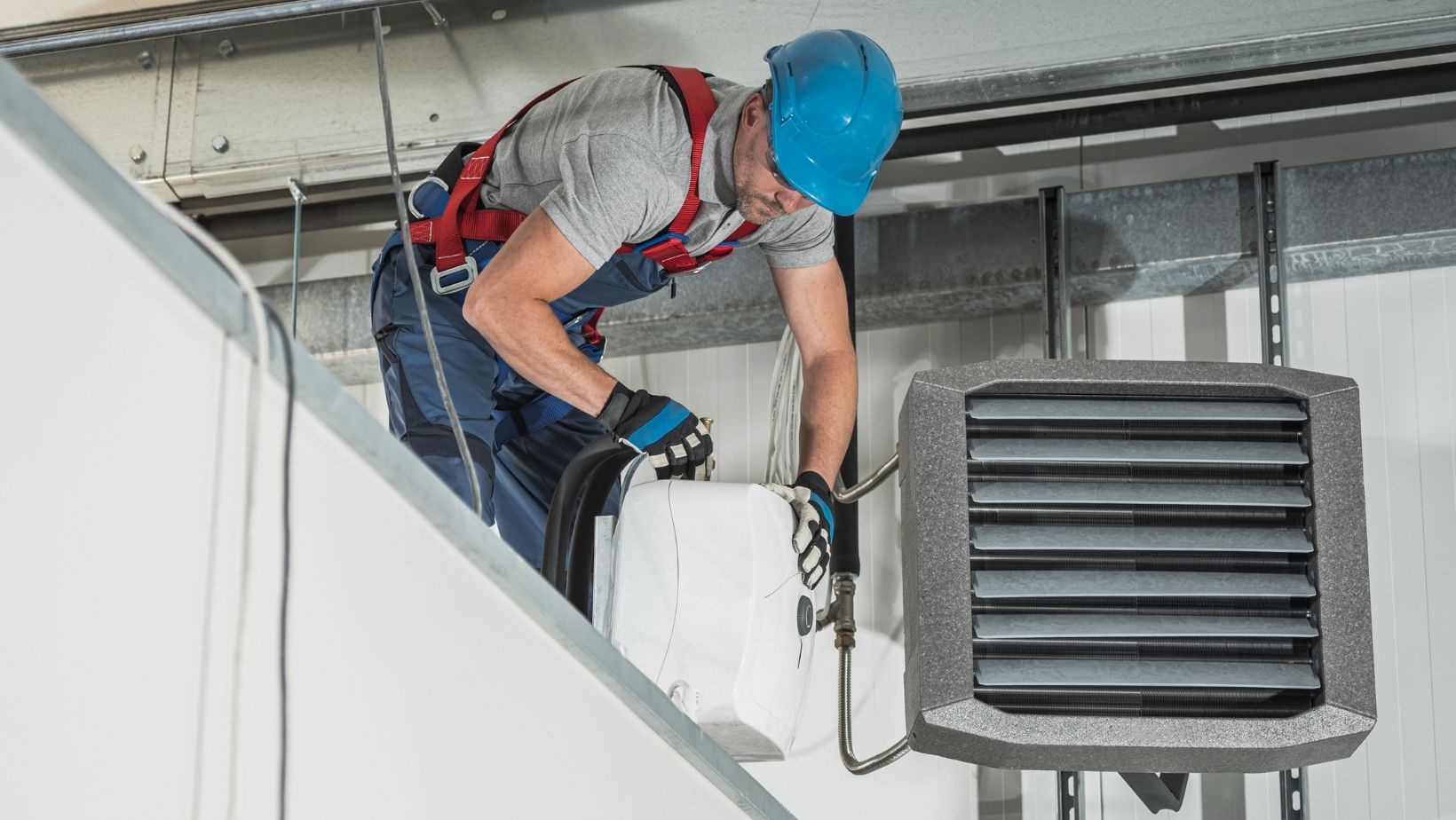
Multi-zone homes are designed to improve comfort by allowing different areas of the house to operate at their own temperature settings. That sounds simple in theory, but airflow balancing becomes much more complicated once one system is asked to serve multiple spaces with different occupancy patterns, exposure levels, ceiling heights, and thermostat demands. A room over the garage may require different airflow than a shaded downstairs office, while an upper-floor bedroom may heat up much faster than a first-floor hallway. When airflow is not balanced correctly, zoning can create new problems rather than solve old ones. Contractors approach these homes by studying how air is delivered, restricted, and returned so each zone works with the system rather than against it.
Balancing Beyond Dampers
- How Contractors Read Airflow Across Each Zone
The first step in balancing airflow in a multi-zone home is to understand how the system behaves when different zones call independently and when they call together. Contractors do not assume a zoning system is balanced simply because motorized dampers open and close when commanded. They look at how much air each zone is actually receiving under real operating conditions. That often includes measuring airflow at supply registers, checking temperature differences between rooms, and observing how static pressure changes as one or more dampers close. A zone that feels under-conditioned may not always have too little airflow by design. It may be losing capacity because other sections of the home are drawing air more easily, or because the blower is operating against rising resistance when only one small zone is active. In some cases, a company handling Mesa HVAC Contractor Service work may find that what appears to be a thermostat issue is really an airflow imbalance caused by branch duct sizing, damper position, or inadequate return pathways that prevent the targeted zone from performing as intended.
- Damper Adjustments Must Match The Duct Layout
Zone dampers are central to multi-zone operation, but contractors treat them as one part of a larger airflow strategy rather than as a complete solution by themselves. If a home has poorly proportioned duct runs, sharp transitions, long branch lengths, or oversized trunks feeding one area, damper control alone may not correct the imbalance. Contractors often inspect how the duct layout supports or limits each zone before making adjustments. They may partially rebalance manual dampers, modify damper stop positions, or adjust how quickly motorized dampers respond during heating or cooling calls. The goal is to keep one zone from becoming overfed while another struggles to receive enough conditioned air. This requires attention to both airflow volume and pressure behavior. Closing airflow too aggressively to one area can create excess static pressure that affects the equipment and changes delivery elsewhere in the system. That is why balancing is often a matter of measured adjustment rather than dramatic restriction. Contractors work to shape airflow gradually, so zone control improves comfort without pushing the system into noisy, inefficient, or stressful operating conditions.
- Return Air Paths Shape Zone Performance
Many airflow problems in multi-zone homes are traced not only to supply airflow but also to return-air limitations. A zone can receive conditioned air yet still feel uneven or underperform if there is no effective path for air to return to the equipment. Contractors pay close attention to return grille placement, door undercuts, transfer paths, jump ducts, and the relationship between closed interior doors and room pressure. In upper-floor bedrooms or isolated office areas, a lack of return relief can cause pressure buildup that slows supply airflow and changes the feel of the space.
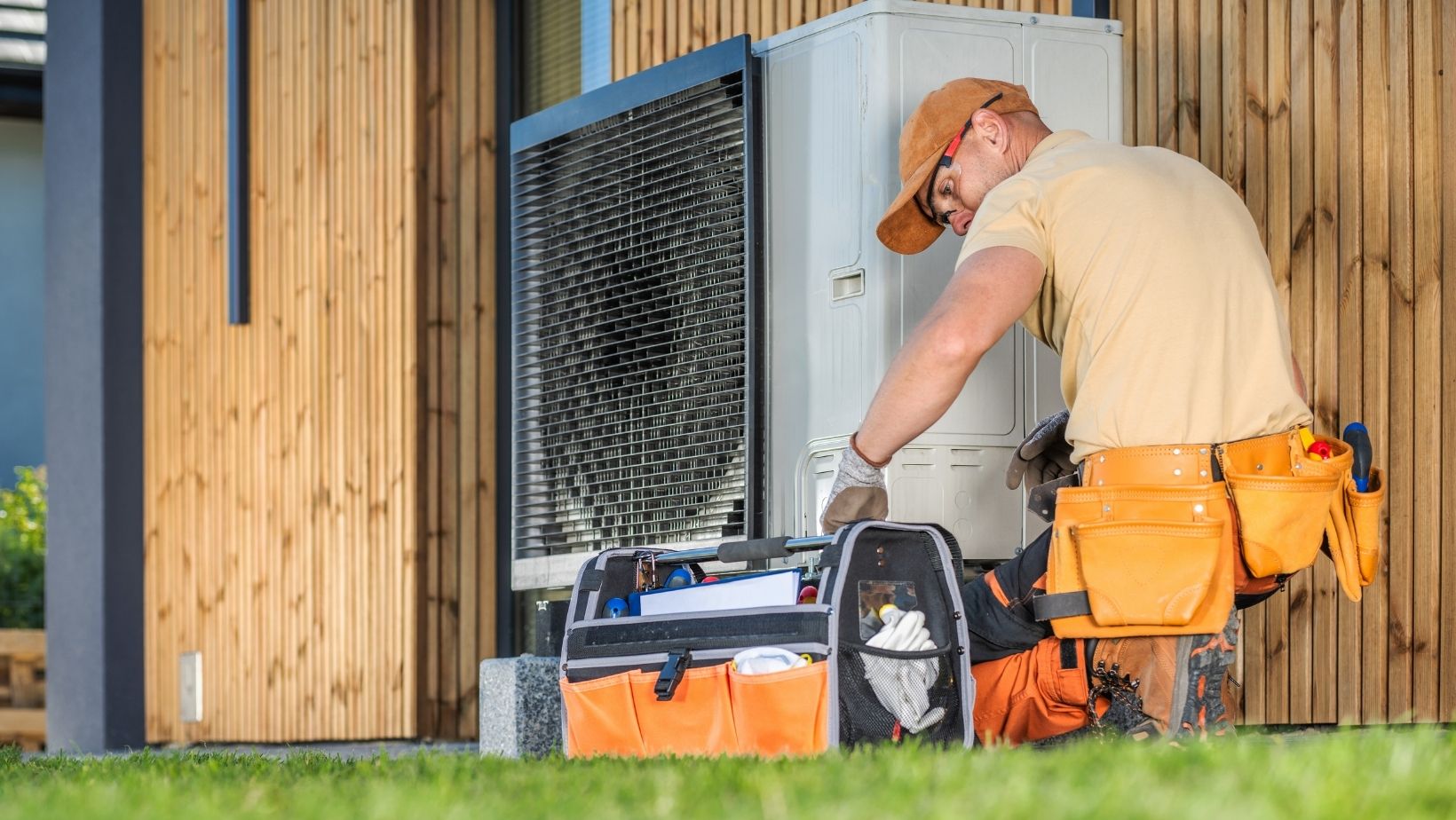
Homeowners may interpret that as weak cooling or heating when the real issue is that the room cannot circulate air properly within the zoned system. Contractors evaluating airflow balance often compare rooms with good return movement to rooms that feel stagnant or difficult to condition. This helps reveal whether the zoning issue is rooted in control logic or basic air circulation. In many homes, improving return pathways can make zone performance more even without major equipment changes, because balanced airflow depends on both delivery and removal.
- Equipment Staging And Bypass Strategy Matter
Balancing airflow in a multi-zone home also depends on how the equipment responds to changes in zone demand. A single-stage system serving several zones can face challenges when only one small area calls for conditioning, because the blower may move more air than that zone can comfortably accept. Contractors address this by reviewing blower speed settings, equipment staging behavior, and, where applicable, bypass strategy. In some systems, a bypass damper is used to relieve excess pressure when multiple zone dampers close, but contractors handle this carefully because bypassed air can create its own efficiency and comfort problems if not managed properly. In other systems, variable-speed or staged equipment helps reduce airflow stress by adjusting output to match the active zone load more closely. Contractors study how the air handler behaves during partial-zone operation, not just full-house calls, because that is where many balance complaints begin. A system that feels acceptable when all zones are open may become noisy, drafty, or uneven when only one thermostat is calling for heat. Balancing, therefore,e includes both duct adjustments and equipment-response evaluation.
Balanced Airflow Supports Better Zoned Comfort
HVAC contractors balance airflow in multi-zone homes by looking beyond thermostat settings and damper movement alone. They evaluate how air is delivered, how it returns, how pressure changes as zones open and close, and how the equipment responds when demand shifts across the house. That process helps reveal whether comfort problems come from duct layout, return limitations, equipment behavior, or room-specific load differences. Balanced zoning is not created by one adjustment. It comes from aligning airflow pathways, control strategy, and building conditions so each area receives the support it actually needs. When that work is done carefully, multi-zone systems can provide steadier comfort, quieter operation, and more reliable performance throughout the home.
About Author