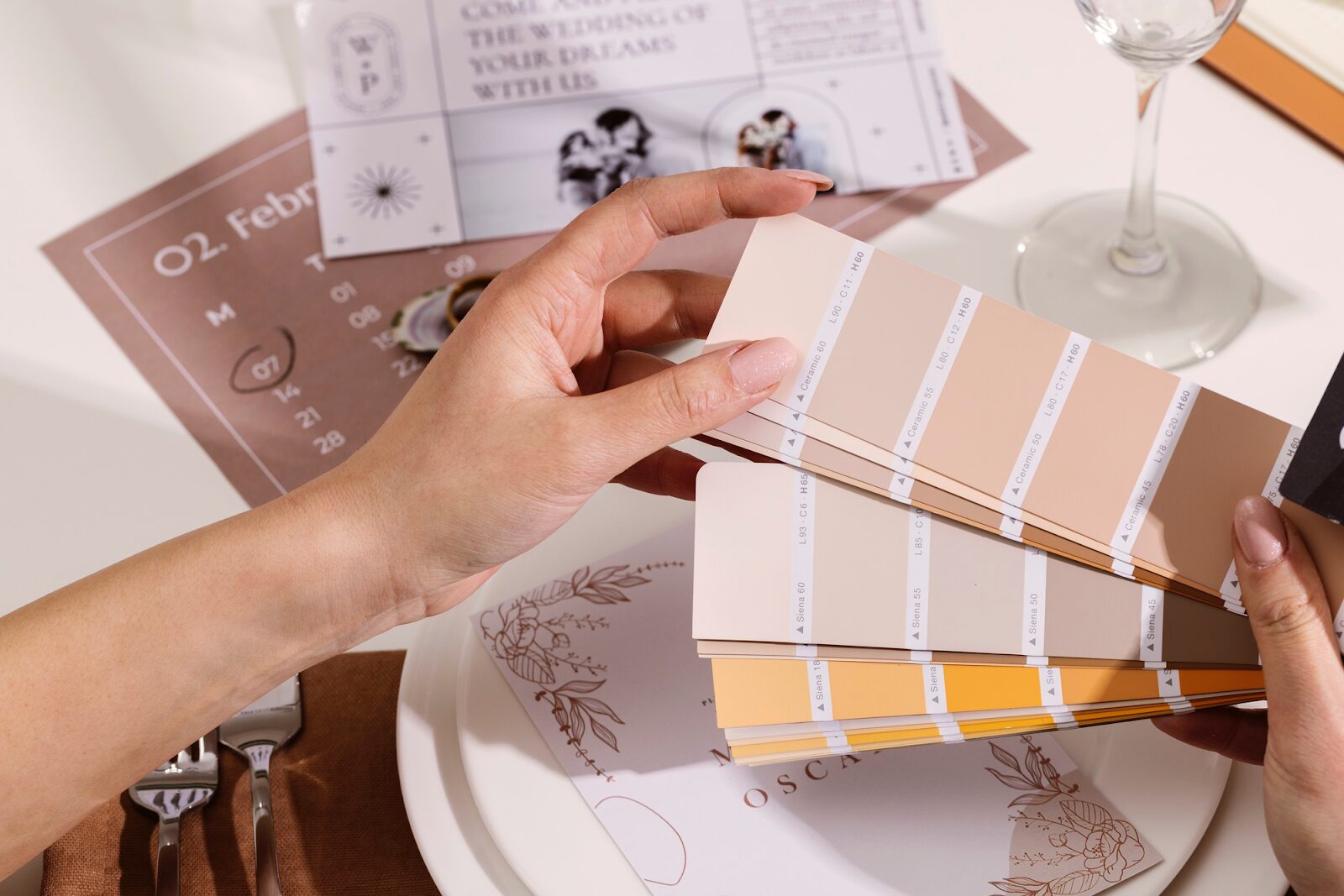
When it comes to the choice of the interior colors, it is one of those decisions that look simple but can completely change how a space feels and looks. In 2026, color trends are all about natural colors inspired by materials like stone, wood, and earth. The goal isn’t to follow a trend but to create a space that works for your daily life and makes you feel at home. In this guide, you will find tips on what to choose and avoid and how to make colors look good in your home.
Interior Color Trends for 2026
The biggest trend in 2026 – neutrals are becoming warmer and even more natural. Cold greys are slowly fading out and are replaced by tones like khaki, sand, cream, and soft clay. Some of the most relevant color directions include:
- Timeless neutrals – shades like universal khаki, creamy, neutral ground.
- Earth-inspired tones – terracotta, muted rеds, olive greens.
- Soft blues and greens – shades that make you calm, like still water or secret garden.
- Balanced contrasts – combo of warm neutrals and deeper accent colors.
What makes 2026 different is the balance. It is no longer about the bold and loud interiors, it is about the depth without chaos. You will often see a calm base with 1 or 2 stronger accents on the top.
The way people choose their interior colors is not that different from how they evaluate digital environments. Whether it is a home or online space, users look for clarity, balance, and usability. When browsing pages like the Best Free Spins Casinos 2026 through the link https://www.slotozilla.com/free-spins, attention goes first to information about casinos, wagering requirements, or qualifying games. But next the colors, structure, and elements become essential. The same principle applies to interiors: if colors are chaotic and unbalanced, the entire experience, even well-being, suffers.
How to Choose the Right Color Palette for Your Home
Most people go wrong by choosing random shades they actually like without considering how they look together. Here is an approach that will help:
- Choose a base color – it covers most of your space, maybe the walls, large furniture, doors, or floors. In 2026, this is a neutral tone like beige, khaki, or soft white.
- Add secondary colors – these will support the base. Think about the rug, curtains, and the large decor pieces. Keep up to 2-3 complementary tones that look good together.
- Finish with accents – all these pillows, art, small furniture, and other specific bright details make the place your home. You can go bolder here, but make sure it connects with the palette.
A simple rule designers usually use is 60% base color, 30% secondary color, and 10% accent color. This will keep everything fully balanced and will prevent the room from feeling messy. One more thing people usually overlook is that the palette should match your lifestyle. A minimal beige space looks great, but if you have kids or pets, you might want something more forgiving.
Understanding Color Psychology in Interior Design
Colors are more than just visuals because they have the power to influence how you feel in space. And that’s why you must consider the colors very well. Here is how some of the most used tones work:
| Color | Feel | Best for |
| Blue | Calming | Bedrooms and workspaces |
| Green | Balanced and natural | Living rooms |
| Beige / neutrals | Warm, safe, versatile | Bedrooms and living rooms |
| Red / terracotta | Energetic | Best for accents |
| Yellow (and other soft tones) | Uplifting | Kitchens and small spaces |
The trend this year is to avoid extremes, and instead of bright, aggressive colors, designers used muted, soft versions. So if a room is meant for relaxing, go softer. If it is for activity, you can add contrast and warmth.
How Lighting Affects Interior Colors
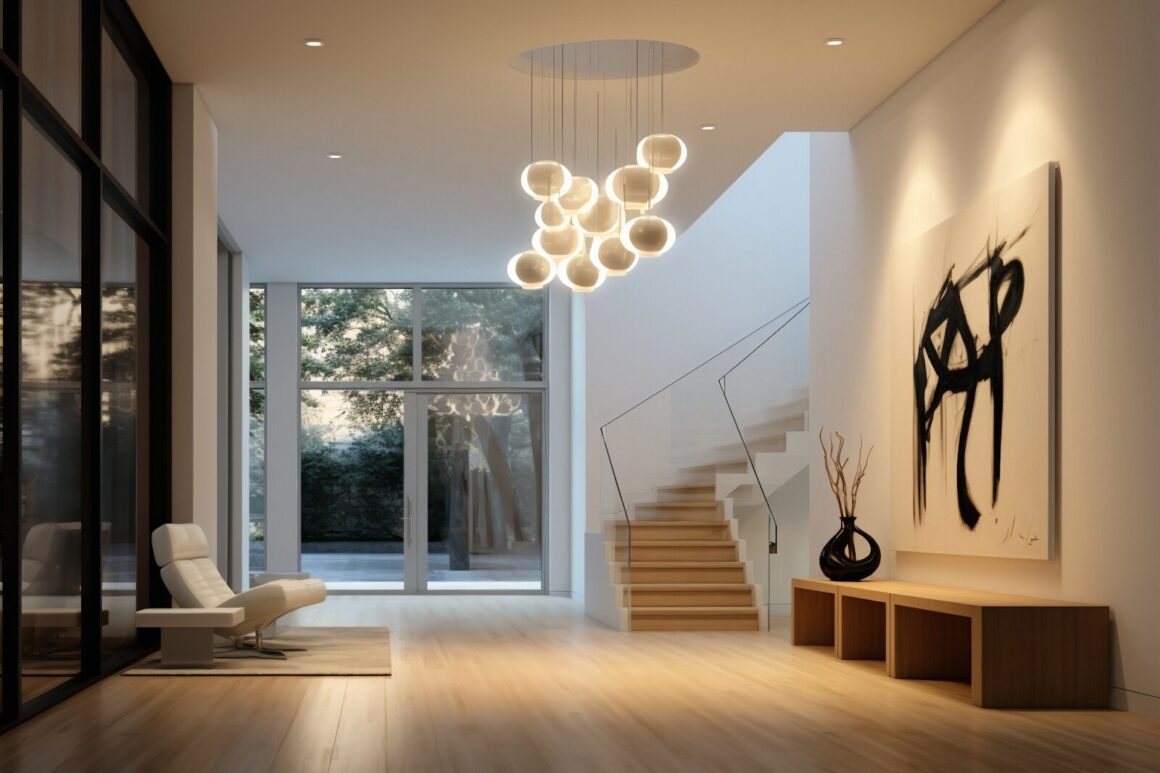
Lighting affects interior colors a lot, and this surprises many people. A color that looks ideal in a store can look completely different in your home. The main factors are natural light and artificial light. Natural light placed in north-facing rooms will make colors cooler and slightly darker.
The same natural light in south-facing rooms will make the colors a lot brighter and warmer. Artificial light also plays a huge role. Warm bulbs will enhance beige, yellow, and earthy tones, while cool bulbs will make colors look sharper and colder. That is why testing is essential here. A beige wall can look very warm and cozy in one room and dull or grey in another.
Tips from Designers: How to Get It Right
To make the choice easier, the professionals have prepared some tips from designers for you. They actually work in real homes and will surely help you make the right choice:
- Always test before you buy – paint samples on your wall and live with them for a few days. Better to try again instead of choosing the wrong color.
- Start with what you already have – you have a sofa, floor, or kitchen, well, they should guide your palette. It is not the other way around, especially if you are not starting from scratch.
- Don’t make it too complicated – 2-4 colors per room is more than enough. And when it comes to accents, one color is good.
- Think in layers, not single colors – walls, textiles, lighting, and decor should work together. So when choosing, consider them all.
These tips will surely help you choose the best colors for your space. Don’t forget that the most important part is to make the place feel like the home you want, because after all, the place must not only look good but also make you feel your best.
FAQ About Choosing Interior Colors
What is the best color for small rooms?
Go for beige or soft cream. The light and warm neutrals will reflect light and will make the space feel larger than it is.
Should all the rooms have the same color palette?
Not necessarily, but they should feel connected. Use variations of the same base tones to create flow between spaces.
How many colors should you use in one room?
Ideally 2-4. More than that can become overwhelming unless done very carefully.
Are dark colors a good idea?
In moderation only, because they work best as accents or in spaces with very good lighting.
What light is preferable?
Warm bulbs better suit cozy interiors with beige or warm brown dominance. Cold ones are for white, grey, and black.
About Author