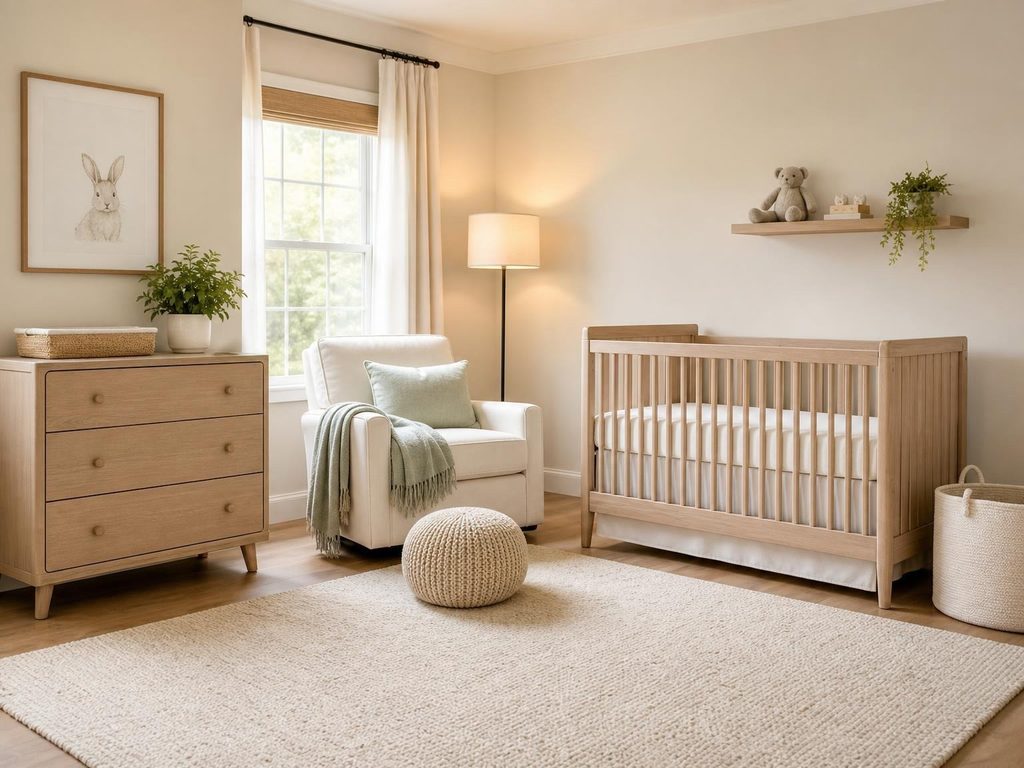
Setting up a nursery is one of the more emotional milestones in preparing for a baby. It’s the space where your child will sleep, feed, and eventually play — and where you’ll likely spend more hours than you ever anticipated during those early months. Many new parents run into the same set of challenges: limited space, unpredictable sleep schedules, and confusion about what’s genuinely necessary versus what simply looks good in photos. A well-planned nursery supports both your baby’s safety and your daily routines. This guide draws on widely accepted pediatric and injury-prevention guidance to help you think through the essentials, without pushing you toward any particular products or styles.
Understanding the Core Functions of a Nursery
When planning your nursery, it helps to think about more than just baby furniture and décor; safety, sleep, and everyday functionality matter just as much.
Most nurseries need to support a handful of core activities:
- Sleeping
- Feeding and soothing
- Changing and basic care
- Play and early development
Each of these functions comes with its own set of requirements, from a safe sleep setup to a comfortable chair for late-night feedings. Thinking in terms of “zones” — a sleep zone, a changing zone, a feeding zone — can help you organize the room in a way that actually makes sense. This kind of layout also supports safety, since it cuts down on walking distance during nighttime tasks and keeps essentials within arm’s reach.
Key takeaway: Plan your nursery around how you’ll use it every day, not just how it looks in photos.
Designing a Safe Sleep Environment
A safe sleep environment means your baby sleeps alone, on their back, on a firm, flat surface built specifically for infant sleep. This is one of the most thoroughly researched areas of infant safety guidance, and it’s worth following closely.
Start with a firm mattress that fits snugly within the crib or bassinet frame, without gaps along the edges. Keep the sleep surface clear of pillows, bumpers, and loose bedding. A snug-fitting crib sheet is typically all you need. Slat spacing should meet current safety standards, and older or hand-me-down cribs deserve a careful once-over, since older models may not meet today’s requirements. Inclined sleep products and extra padding not designed for the specific crib or bassinet should be avoided altogether.
It’s also worth keeping nursery décor separate from the sleep space itself. Decorative touches can be lovely, but they belong away from the crib and sleeping surface, not near or on it.
Choosing and Positioning Nursery Furniture Safely
Once the sleep basics are settled, it’s worth turning your attention to the rest of the room’s furniture — cribs, dressers, changing tables, chairs, and shelving — for stability and safe placement.
Anchor tall dressers and bookcases to the wall to prevent tip-overs. This one step addresses one of the more common nursery injury risks out there. Beyond anchoring, check for smooth surfaces, secure hardware, and assembly that follows the manufacturer’s instructions to the letter.
Placement matters just as much. Keep cribs and other furniture clear of windows, blind cords, heaters, and hanging décor. Avoid positioning climbable furniture near the crib, since a mobile baby may treat it as a built-in step. A parent managing a dimly lit room during a 3 a.m. feeding will appreciate a clear, unobstructed path between the crib and changing area — thoughtful placement cuts down on both physical hazards and caregiver stress.
If you’re using secondhand pieces, check them against safety recalls and inspect for damage or missing parts. Once your baby starts moving around, adding child-proof latches to drawers gives you another layer of protection.
Creating a Functional Layout for Everyday Routines
A functional layout supports the small, repeated tasks that define early parenthood: shifting a drowsy baby from a feeding chair into the crib, or getting through a diaper change in the middle of the night without stubbing a toe. Start by measuring the room and doorways, then note fixed elements like windows, outlets, and heating vents. Place the crib in a safe, sensible spot first, and build the rest of the layout around it.
In smaller rooms, multi-purpose furniture — like a dresser topped with a changing pad — can help you make the most of limited space. Vertical storage keeps floor space open, though heavier items should stay low and secured. Clear floors reduce tripping hazards, which matters most during those groggy nighttime routines.
Practical tip: Before committing to a layout, walk through a pretend nighttime routine to see whether the setup actually feels safe and convenient.
Designing a Calming, Baby-Friendly Atmosphere
Beyond furniture and layout, several environmental factors shape how restful and comfortable a nursery feels. Soft, indirect lighting can help signal to your baby that it’s time to sleep, while bright overhead lighting at night tends to overstimulate both baby and caregiver alike. A dimmable lamp is a simple, low-effort way to manage this.
If you use background sound, keep it placed safely away from the crib and set at a moderate volume. Room temperature should stay comfortable and consistent, with baby dressed appropriately rather than relying on extra blankets. Neutral or soft color palettes can add to the calming feel, and any wall art or hanging décor should be securely fastened and kept well out of reach.
Planning for Growth: Adapting the Nursery as Your Baby Develops
A nursery that works beautifully for a newborn will need adjustments as your baby grows. Once rolling, crawling, or standing enters the picture, a previously safe setup can turn risky fairly quickly — a mattress height that was fine for a newborn may need lowering once a baby can pull to stand, and mobiles or hanging items should come down and out of reach.
Growth checkpoint: Whenever your baby hits a new milestone — rolling, pulling to stand, walking — take a fresh look around the room for new hazards.
Choosing furniture that adapts over time, like a dresser that stays useful long after the changing pad comes off, can stretch its usefulness well into toddlerhood.
Bringing It All Together: Creating a Nursery That Works for You
A nursery doesn’t need to be elaborate to do its job well. Prioritizing safe sleep, thoughtfully placed furniture, a functional layout, and a calming atmosphere covers the essentials. A thoughtful nursery isn’t about perfection — it’s about creating a safe, workable space for you and your baby. Start with the basics, adjust as you get to know your space and routines, and check safety guidance against reputable sources whenever questions come up, especially around crib standards or secondhand items.
About Author