A patio can feel as considered as a living room, but its furnishings face a different set of demands. Sunlight, damp mornings and frequent use can quickly expose the limits of cushions chosen for appearance alone. For outdoor spaces in 2026, the more useful design question is how to bring interior-level comfort outside without overlooking weather, fit or upkeep. Custom performance fabrics offer a way to make that choice with greater precision. They give homeowners and designers room to coordinate color and texture while selecting textiles suited to the conditions each seat will face.
The Outdoor-Indoor Convergence: Redefining the Modern Patio
Treating a patio like a room begins with its purpose. A dining area needs enough space to move chairs comfortably; a quieter corner may call for deeper seating and a surface for books or drinks. Deciding how each area will be used makes it easier to choose furniture that belongs there, rather than filling every open space. The same principle appears in Designmode 24’s guide to designing a backyard without overdoing it: clear zones and a restrained selection of materials help the whole setting feel connected.
Textiles carry that connection into the seating. A cushion color might echo an interior rug or pick up a tone in the paving, while a textured fabric can soften the look of metal or timber furniture. The aim is continuity, not an exact copy of the indoor scheme. Outside, a pale fabric in full sun, a seat beneath a roof and a cushion stored away after each use all have different practical needs. Planning around those conditions allows an outdoor area to feel polished without treating every surface as though it lives in the same climate.
Why Performance Fabrics Are the Foundation of Modern Luxury
Outdoor luxury depends on how a seat feels after weeks of use, not just how it looks when first arranged. Performance fabrics are selected for qualities such as resistance to fading, suitability for changing weather and ease of cleaning. These qualities matter when cushions sit in strong sun or must recover from a spill before guests arrive. Sunbrella is one example: its solution-dyed outdoor textiles are designed to resist fading and are made for straightforward cleaning. For projects that need a tailored shape as well as an outdoor-ready fabric, the high performance Sunbrella cushions at Fabrica Kraft show how the material can be used in custom seating.
Performance still has to be matched to the setting. A covered terrace with occasional use presents a different challenge from an exposed poolside bench. Before settling on a fabric, consider where direct sunlight falls, whether rain reaches the seat and how readily cushions can be brought inside or dried after wet weather. Weather resistance should not be mistaken for permission to leave every cushion saturated indefinitely. Good drainage, suitable filling and sensible storage remain part of the plan.
Feel matters, too. Outdoor seating should invite someone to stay through a long conversation, rather than merely survive the season. Fabric samples are useful because color can change in natural light and texture is difficult to judge on a screen. Viewing a sample beside the intended furniture also reveals whether it complements the surrounding stone, decking or planting. This simple check brings material performance and the softer expectations of an indoor living space into the same decision.
The Importance of Customization and Tailored Dimensions in Home Textiles
Standard cushion sets work well when seating follows standard furniture sizes. Built-in benches, angled corners and long daybeds rarely make that convenient. A cushion that is too short leaves visible gaps; one that is too deep can crowd a walkway or make sitting uncomfortable. Bespoke home furnishings address the actual seat rather than asking the seat to accommodate a preset product. That difference is especially noticeable in an outdoor room where a built-in bench may be the main feature.
Accurate measurements start with the usable seating surface, not the outer edge of the furniture. Note the width and depth at more than one point if the structure is irregular. Account for corners, armrests and any space needed to lift or remove the cushion. Back cushions require their own measurements, since their thickness affects the remaining seat depth. It also helps to decide where seams should fall on a long bench: a single uninterrupted cushion creates one look, while separate pieces may be easier to handle and store.
Fabrica Kraft makes cushions to specified dimensions for indoor, outdoor and marine settings. Its selection of more than 10,000 colors gives designers considerable freedom to coordinate a custom project with a wider scheme. That choice is useful when replacing a worn cushion without changing the surrounding furniture, or when a new seating area needs to relate to an existing room.
Boats make the value of careful fit particularly clear. Bench and helm seats, bow seating, sun pads and V-berths can have shapes unlike household furniture. A cushion intended for a marine space must suit both its dimensions and the way that space is used. Choosing the textile and measuring the seat together is more reliable than selecting an attractive fabric first and hoping a standard size will fit.
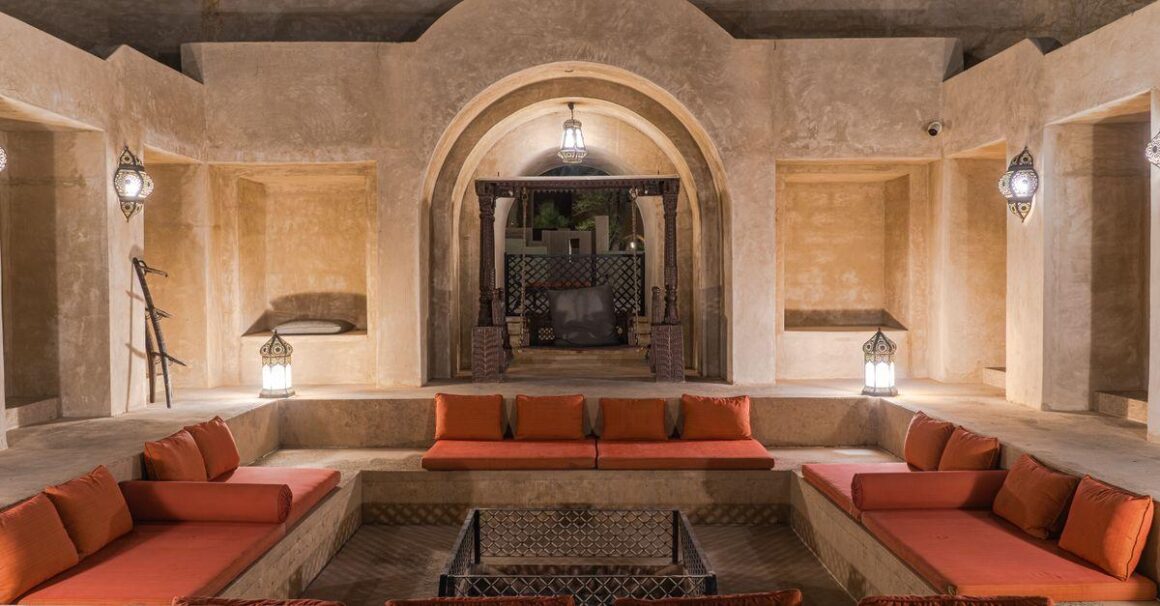 Image by Denys Gromov on Pexels
Durability, Responsible Materials and Everyday Comfort
Sustainable luxury decor calls for more specific questions than whether a textile is described as “green.” A material may offer useful durability, a supplier may hold a certification for a particular component, and a retailer may address shipping emissions. Those are distinct considerations. Fabrica Kraft says it sources materials from suppliers with certifications including OEKO-TEX Standard 100. That standard concerns testing textiles for harmful substances. The supplier-material statement does not mean that every Fabrica Kraft product or its entire production is certified, and the standard is not a blanket certification of environmentally friendly production.
Fabrica Kraft is committed to carbon-neutral shipping. That commitment concerns delivery; it does not make every cushion or its manufacture carbon neutral. Keeping those claims separate helps buyers compare materials on terms that matter to them, including the fabric’s suitability for its intended use and the information available about its sourcing.
Durability also has an everyday side. A cushion that is awkward to remove may be cleaned less often, while a color chosen without regard to the setting may show every trace of frequent use. Consider who will maintain the space and where cushions will go during prolonged bad weather. A fabric that feels pleasant, suits the exposure and fits into a realistic care routine is more valuable than a specification that sounds impressive but does little for the way the space is lived in.
From Private Patios to Hospitality Settings
The same decisions become more consequential when seating is used by many people each day. A hotel terrace or restaurant courtyard needs an inviting appearance, but staff also need to clean surfaces efficiently and keep the layout ready for the next guests. In that setting, fabric choice should reflect the likelihood of spills, the amount of sun each seat receives and how often cushions must be moved. Custom performance fabrics can help maintain a consistent look across benches and individual chairs even when their dimensions differ.
Fit affects maintenance as well as appearance. Separate cushions on a long built-in bench may be easier to remove for cleaning or replace individually if one area receives heavier wear. On a private patio, the preference may instead be for a continuous, lounge-like seat. Neither arrangement is automatically better; the right choice follows from how the space will be used and cared for. Commercial settings may also benefit from keeping a record of cushion dimensions and fabric selections, so future replacements suit the original layout.
The practical starting point for any outdoor project is the same: identify where the seats will go, observe their exposure, measure them carefully and decide who will look after them. With those details settled, fabric selection becomes a design decision grounded in daily life. The result is an outdoor space that feels connected to the home—or welcoming to guests—while remaining suited to the conditions beyond its walls.
About Author