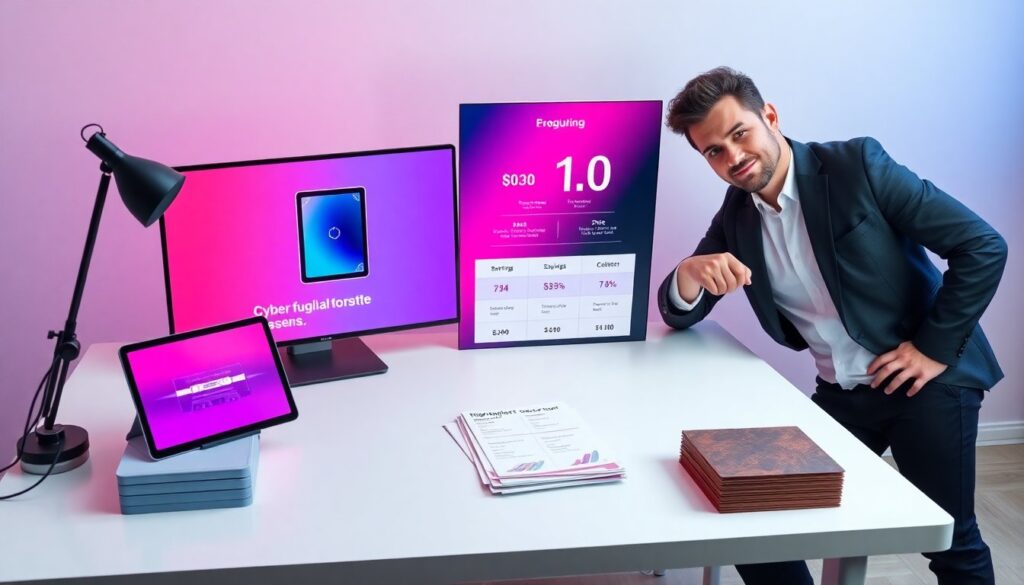
Modes42 web client origamizen server appears odd at first. The phrase names a style, a soundtrack idea, and a product pitch. This guide shows what the phrase means, how designers use it, and how sellers make it convert. It maps core visuals, score choices, and pricing moves. It targets creators and brands that want clear, market-ready cyberfunk assets.
Key Takeaways
- Cyberfunk aesthetics sale score desgnmde combines neon visuals, retro-futuristic music, and clear product pitches to attract diverse audiences with a nostalgic yet modern appeal.
- Designers use vibrant cyan, magenta, grainy textures, and condensed typography to create authentic and readable cyberfunk-style visuals optimized for digital displays.
- Successful marketing packages cyberfunk visuals, audio hooks, and concise feature lists into engaging pitches featuring hero images and short loops to boost click-through and conversion rates.
- Pricing strategies include tiered offers—base, deluxe, and collector editions—paired with clear savings and extras to enhance perceived value and encourage purchases.
- Effective product pages use simple layouts, brief benefit-driven copy, and detailed specs alongside lifestyle shots to reduce buyer hesitation and increase sales.
- Sellers boost retention by providing how-to guides and thank-you assets post-sale, while tracking key metrics like click-through and conversion rates to refine the cyberfunk aesthetics sale score desgnmde funnel.
What Cyberfunk Aesthetics Really Means And Why It Sells
Cyberfunk aesthetics sale score desgnmde names a modern retro-future look and a sales tactic. It mixes neon tones with pulsing rhythms and product cues. Designers apply the phrase to art, music, and packaging. Consumers spot it and react quickly.
Cyberfunk uses bright cyan and magenta to signal energy. It uses grain and film glow to signal age and authenticity. It uses punchy beats in music to signal motion. These signals create desire. Sellers tap that desire and ask for a price.
Audiences buy cyberfunk items for style and nostalgia. Younger buyers like the odd mix of past and future. Older buyers like the clear retro callouts. Brands that use cyberfunk aesthetics sale score desgnmde get attention faster than plain designs.
A good product shows the style in one glance. It pairs a clear thumbnail with a short audio hook. It lists features plainly. This format raises click rates and increases conversions for digital goods and physical merch.
Core Visual Elements: Color, Texture, And Typography
Designers focus on three visual elements. They pick color palettes, textures, and type that match the cyberfunk tone. Each choice supports the product and the score.
Color Palettes And Lighting Techniques
Designers pick intense cyan, hot magenta, and deep purple. They add neon accents to draw the eye. They use high contrast to keep key parts readable. Lighting mimics LED glow. Designers place rim light on characters and products. They add bloom to suggest brightness. They use limited palettes to keep images clean.
Designers test colors on mobile screens. They check contrast with real text. They adjust saturation to avoid eye strain.
Textures, Materials, And Retro-Futuristic Motifs
Designers layer grain, scratched metal, and glossy plastic. They add holographic foil for premium items. They use worn stickers and pixel noise to sell nostalgia. They pick materials that photograph well under neon light.
Motifs include cassette tapes, arcade panels, and CRT scan lines. Designers combine these with modern geometry. They keep compositions balanced and readable. They avoid cluttered overlays that hide product details.
Typography in cyberfunk uses condensed sans and display fonts. Designers pair a compact headline font with a plain body font. They scale type to keep scanning easy. They set letter spacing to improve legibility on small screens.
Designers export assets with clear layers. They include a style guide for color codes and font sizes. This step helps teams keep the style consistent across product pages and ads.
Turning Cyberfunk Into A High-Score Product: Marketing, Pricing, And Presentation
Sellers turn cyberfunk aesthetics sale score desgnmde into revenue through clear offers and crisp presentation. They package the visual, the audio, and the story into one short pitch. They show a hero image, a 10-second loop, and a feature list.
Marketing teams run targeted ads that highlight the look and the sound. They use short video clips that show product use. They A/B test thumbnails and hooks to find the best performer. They set bids and budgets based on return per sale.
Sales teams set price tiers that match perceived value. They offer a base item, a deluxe bundle, and a collector edition. They add small extras like wallpaper packs or stems from the score. They show the savings next to the bundle price to make the choice clear.
Presentation matters on product pages. Sellers use a single-column layout with large images. They keep copy brief and benefit-led. They list specs in a compact table. They show lifestyle shots and close details to reduce buyer uncertainty.
Promotions work when they add urgency and clarity. Limited runs and timed drops drive faster purchases. Brands can learn from recent team campaigns that tied special perks to ticket or merch sales: those campaigns show how clear incentives lift sales when brands target fans directly, as seen in NBA team sales campaigns.
Sellers measure success with a few simple metrics. They track click-through rate, add-to-cart, and conversion rate. They compare performance across color variants, cover art, and audio hooks. They iterate quickly. They remove low-performing variants and double down on winners.
Packaging and post-sale care help retention. Sellers include a short how-to for using files and a small thank-you asset. These steps increase repeat purchases and referrals.
Overall, teams that follow these steps turn cyberfunk aesthetics sale score desgnmde from a phrase into a predictable product funnel. They treat visuals and score as features, price them clearly, and present them simply. They test fast and measure what matters.
About Author