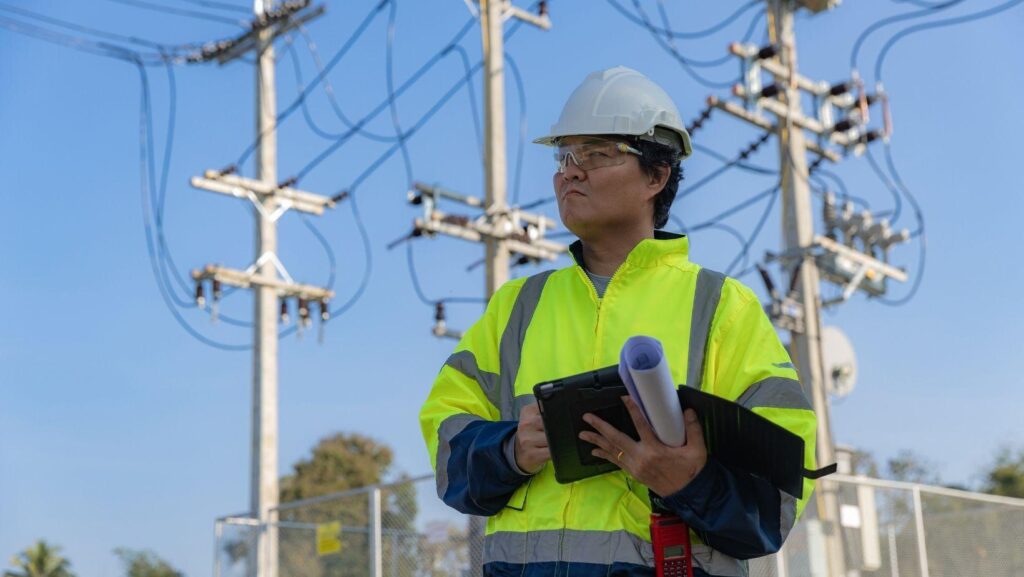
Electrical work is one of the most specialized and high-risk trades. From residential wiring to large-scale industrial systems, electricians face hazards that require constant attention and preparation. Among the most important precautions is the use of appropriate safety clothing, which provides essential protection against electrical shock, burns, and other workplace dangers.
Understanding Electrical Hazards
Electricity is invisible, making it one of the most dangerous elements to work with. Even experienced electricians must remain vigilant.
Common risks include:
- Electric shock from live circuits
- Arc flashes that generate extreme heat
- Burns from faulty wiring or equipment
- Fire hazards caused by overloaded systems
These dangers can occur quickly, often without warning.
The Role of Protective Clothing in Electrical Work
Protective clothing acts as a barrier between the worker and potential hazards. For electricians, this may include:
- Flame-resistant garments
- Insulated gloves
- Protective footwear
- Eye and face protection
Flame-resistant clothing is particularly important in environments where arc flash risks are present.
Proper gear does not eliminate risk entirely, but it significantly reduces the severity of injuries.
Safe Work Practices for Electricians
In addition to protective clothing, electricians must follow strict safety procedures:
- Always de-energize circuits before working
- Use lockout/tagout systems to prevent accidental power activation
- Test equipment before contact
- Maintain safe distances from live components
These practices form the foundation of electrical safety.
Training and Certification
Electrical work requires specialized training and certification. Ongoing education ensures electricians remain up to date with evolving safety standards and technologies.
Employers should provide regular training sessions and reinforce best practices.
A well-trained electrician is better equipped to identify risks and respond appropriately.
Job Site Awareness
Electrical work often takes place in shared environments, such as construction sites or residential properties under renovation.
Maintaining awareness of surroundings is crucial. Workers must coordinate with other trades to avoid accidental interference with electrical systems.
Clear communication reduces the likelihood of accidents.
Equipment Maintenance and Inspection
Faulty tools and equipment increase the risk of electrical accidents. Regular inspection ensures tools remain safe to use.
Damaged wires, worn insulation, or malfunctioning equipment should be addressed immediately.
Preventative maintenance is a key part of a safe work environment.
The Business Impact of Safety
For electrical contractors, maintaining strong safety standards protects both workers and the business itself.
Benefits include:
- Reduced workplace injuries
- Lower insurance costs
- Improved client trust
- Fewer project delays
Clients often prefer contractors who demonstrate a commitment to safety.
Why Electrical Safety Is Non-Negotiable
Electrical work leaves no room for shortcuts. Even small mistakes can have serious consequences.
By combining proper safety clothing, thorough training, and disciplined work practices, electricians can significantly reduce risks.
In this trade, preparation and protection are not optional they are essential for every job.
About Author