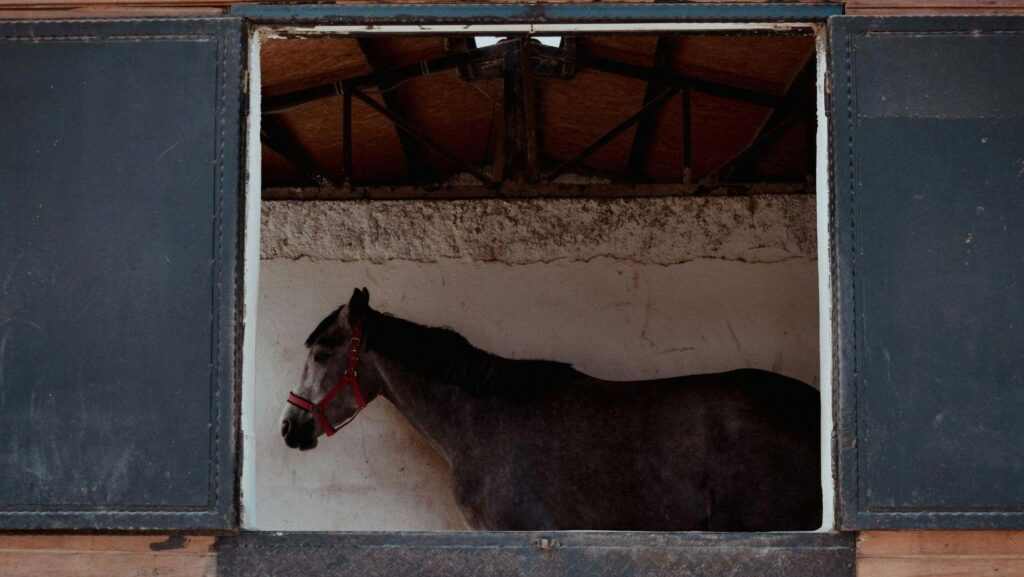
Have you walked into a stable and thought, “Wow, how peaceful and warm is this style?” Well, you’ve caught the trend. We’re talking here about equestrian-inspired interior design, which can make or break your entire home.
It looks simple at first glance. After all, we’re talking about natural materials, a rustic theme, and old (reused) items for that retro look. However, there is a fine line between “quiet countryside elegance” and your living room looking like a cluttered tack shop.
Equestrian interior design isn’t just about slapping horse art and statues everywhere. It’s about the material use, the design, and how the space feels. If done right, you may never add a horse image or statue inside, but people will still feel the equestrian culture.
So, it’s all about balance. Let’s find out how to do it properly.
It Starts With Materials That Actually Feel Real
As we mentioned before, equestrian culture is built around natural-looking materials. They do the heavy lifting. We’re talking about leather, wood, wool, brass, stone, or linen. Plastic or modern 3D wallpapers have no place in an equestrian home.
Why are materials so important? Well, it all comes down to stables and barns. Since horses are big animals, stables are built with materials that survive weather, movement, dirt, and daily use. That’s why they’re using natural materials.
Can you imagine glass or other modern materials used in a racehorse barn? It looks out of place, it’s fragile, and it won’t serve its purpose. Racehorses that participate in big races like the Preakness Stakes need room to breathe, they move a lot, and they are heavy and big. And one of the most durable materials is natural materials.
That’s why equestrian-inspired interiors instantly look expensive when they’re done properly. The materials have weight, they look premium, and they age well. In fact, they look even better with a little wear.
Your home should give you the urge to place a bet on the Preakness Stakes, as it constantly reminds you of horse racing. But before you do so, make sure you analyze all the 2026 Preakness Stakes contenders.
Leather Is the Easy Win, But Don’t Overdo It
One of the most common materials in an equestrian-style home is leather, which is why it is important not to go crazy with it. Yes, it makes perfect sense in equestrian style; after all, leather is everywhere in horse culture (saddles, bridles, boots, tack rooms), but too much leather can make the space ultra heavy.
People often get carried away, and some of them think there is no other material of choice for couches or chairs. When it comes to leather, it should be incorporated only with the most used furniture, like the sofa, chairs, or a bench.
That’s it. You need to allow the leather to add richness, not take over the room. Plus, it’s expensive, and you can cut costs by incorporating less leather.
Plaid and Checks Work Because They Bring Structure
Plaid is one of those patterns that instantly feels connected to countryside living.
It’s cozy, traditional, and slightly formal without being too serious. That’s why it works so well in equestrian-inspired spaces.
But again, moderation matters.
A plaid throw, cushions, curtains, or an upholstered chair can bring the look together beautifully. Cover the entire room in plaid, and suddenly it feels like the wallpaper is trying to win an argument.
The reason plaid works is that it adds visual structure. Equestrian style is not chaotic. It likes order, symmetry, and calm layering. Plaid gives you that without making the room feel cold.
So, if your room feels too plain, plaid can help.
If your room already has five patterns fighting each other, maybe let plaid sit this one out.
The Color Palette Should Feel Like the Countryside
Equestrian interiors usually work best with colors that feel natural and grounded.
Think warm browns, deep greens, cream, navy, camel, burgundy, charcoal, and soft beige. These colors feel connected to stables, riding boots, old libraries, fields, and country houses without needing to be too literal.
The goal is not to make your home look dark and heavy.
It’s to create depth.
Cream walls with dark wood furniture. Green accents with tan leather. Navy with brass details. Burgundy in small doses. These combinations feel classic because they have contrast without chaos.
And honestly, that’s one of the biggest lessons from equestrian design.
Horse Art Can Work, But It Needs Taste
Let’s talk about horse art.
Because yes, it belongs here. But not every horse print needs to be invited into your house.
Equestrian artwork works best when it feels intentional. Vintage racing prints, black-and-white stable photography, old polo illustrations, or subtle sketches can add character without turning the room into a horse museum.
The mistake is going too far.
If every wall has a dramatic horse portrait, the room starts feeling less curated and more like the horse is the landlord.
Final Thoughts
So, are you ready for a makeover? Equestrian design is all about warmth, good storage, comfortable furniture, and durable materials. This is one of the easiest interior design makeovers to do since there are so many different ways to approach it.
Try to borrow the feeling of equestrian culture, but do that carefully. There’s no need to turn your house into a stable, unless that’s your thing.
About Author