When winter temperatures hit the Midwest, most homeowners focus on keeping their homes warm and comfortable. However, your heating system does more than just regulate indoor temperatures—it also plays a critical role in protecting your plumbing. The connection between heating and plumbing is especially important during freezing conditions, where even a small drop in temperature can lead to costly issues like frozen or burst pipes. Understanding this relationship can help you prevent damage and keep your home running smoothly all season long.
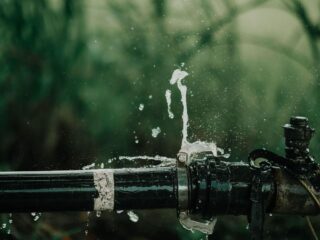
One of the most direct ways your heating system impacts your plumbing is by maintaining a safe indoor temperature. Pipes are highly vulnerable to freezing when exposed to cold air, especially those located in basements, crawl spaces, attics, or exterior walls. If your heating system is not functioning properly or if certain areas of your home are not adequately heated, those pipes can freeze quickly. Once frozen, the pressure buildup inside the pipe can cause it to crack or burst, leading to significant water damage.
Consistent heating throughout your home is key to avoiding these problems. Uneven heating—where some rooms are warm while others remain cold—can create hidden risks. Areas with poor airflow or insufficient insulation may allow pipes to freeze even if the rest of the house feels comfortable. Ensuring your heating system distributes warm air evenly is an important step in protecting your plumbing. Routine maintenance and inspections can help identify and resolve these issues before they become serious.
Your thermostat settings also play a role in plumbing protection. Lowering the temperature too much, especially overnight or while you’re away, may save on energy costs but increases the risk of frozen pipes. Keeping your thermostat set to a consistent temperature helps maintain a stable environment for both your living space and your plumbing system. This is particularly important during extreme cold snaps when temperatures can drop rapidly.
Another important factor is how your heating system supports moisture control. Proper heating helps reduce excess moisture that can accumulate in colder areas of your home. Without adequate warmth, condensation can form on pipes, which may contribute to corrosion over time. While this is a slower issue compared to freezing, it can still lead to leaks and long-term damage if left unaddressed.
Water heaters are also part of this connection. During the winter months, your system works harder to provide hot water, especially as incoming water temperatures drop. If your heating system isn’t functioning efficiently, it can place additional strain on your water heater, making it harder to keep up with demand. Regular servicing ensures both systems are working together effectively.
Working with experienced professionals like T&T Heating can help ensure your heating system is properly maintained and capable of protecting your home during winter. Regular inspections, timely repairs, and system upgrades when needed all contribute to better performance and reduced risk.
In the end, your heating system is one of your first lines of defense against winter plumbing problems. By keeping your home consistently warm and addressing any heating issues promptly, you can significantly reduce the chances of frozen pipes and costly repairs. Taking a proactive approach now can save you from major headaches when temperatures drop.
About Author