Quick Answer
A central air conditioner in Calgary generally costs between $5,000 and $9,000, including the unit, labour, and permit fees. Most replacements wrap up within a single working day, while first-time setups requiring electrical or ductwork adjustments may extend into a second. Your final figure depends on system size, efficiency rating, and the condition of your existing ducting.
Introduction
Walk into any home during a late July heat spike, and the complaints sound identical. Summers in this part of Alberta are short, but surprisingly intense, and outdated equipment rarely keeps pace. Pricing for AC installation in Calgary tends to confuse homeowners, partly because no two houses present the same conditions, and partly because quotes bundle several variables into one number.
Sorting the real drivers from the marketing noise takes a little technical grounding. A clear breakdown of what shapes central air conditioning installation in Calgary helps you read a quote with confidence rather than guesswork. The sections ahead cover pricing logic, the mechanics of the project itself, and the choices that protect your investment well past the first cooling season.
What Actually Drives the Price of a New System
Most quotes land somewhere between $5,000 and $9,000, yet two neighbours on the same street can receive figures that differ by thousands. The spread comes down to physical conditions inside each home, the efficiency grade of the equipment, and any groundwork the crew must finish before the new setup runs.
The Variables Behind Your Quote
A reputable contractor will walk you through each factor during the on-site assessment. The most influential include:
- System capacity, measured in tonnes, sized to your home’s heat gain rather than its floor area alone
- Efficiency grade, since higher SEER2 equipment carries a premium upfront while trimming summer utility bills
- Ductwork condition, where older houses may need airflow corrections or sealing before the load balances properly
- Electrical capacity, as some panels require an upgrade to handle the added draw safely
Central Air Conditioner in Calgary: Comparing the Equipment Tiers
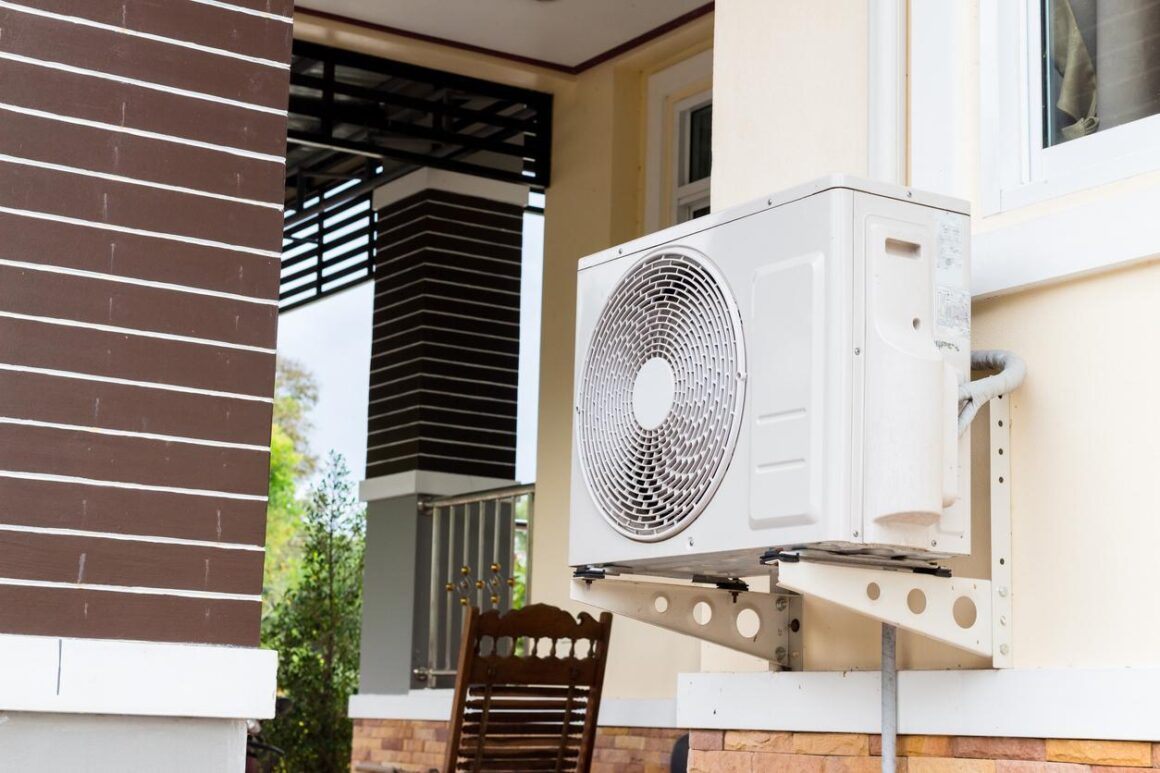
The model class you choose sets the baseline before labour enters the picture. The table below outlines how the three common tiers stack up.
|
Tier |
Typical Installed Cost |
Efficiency |
Best Suited For |
|
Entry single-stage |
$5,000 to $6,000 |
Meets minimum standard |
Smaller homes, tighter budgets |
|
Mid-range two-stage |
$6,000 to $7,500 |
Moderate to high |
Most family residences |
|
Variable-speed premium |
$7,500 to $9,500 |
Highest available |
Larger homes, humidity priorities |
Read these figures as a starting point, since site conditions still adjust the final number either way.
Pro Tip: Resist sizing your unit by floor area alone. A proper heat-gain calculation prevents an oversized compressor that short-cycles, wastes energy, and wears out years ahead of schedule.
With the cost drivers mapped, the practical question becomes what actually happens once the crew arrives.
How a Professional Install Unfolds, Step by Step
A well-run Calgary air conditioning unit installation looks almost uneventful from the homeowner’s chair, yet each phase carries technical weight. Most projects finish within a single working day, though the sequence matters far more than the speed.
The Standard Sequence
Skilled crews follow a disciplined order that protects both the equipment and your warranty. A typical project unfolds as follows:
- Recovery and removal of the old unit, with refrigerant captured safely under environmental regulations
- Site preparation, covering the mounting pad, drain lines, and electrical connections
- Placement and brazing, where the condenser and indoor coil are set and copper lines joined under a nitrogen purge
- Evacuation, pulling a deep vacuum to roughly 500 microns to strip moisture and air from the lines
- Charging and commissioning, weighing in refrigerant to the manufacturer’s specification and verifying airflow and temperature split
Why the Quiet Steps Matter
The unglamorous middle stages separate a system that hums for fifteen years from one that fails early. Evacuation removes trapped moisture that would otherwise react with oil and form compressor-damaging acids. Precise charging by weight, rather than by guesswork, keeps performance at its rated level.
A short commissioning log, documenting pressures and readings, gives you proof the work met standard. In practice, that paperwork becomes your strongest reference if a performance question arises later. The payoff is a quieter home and predictable bills through the warm months. With the mechanics settled, attention shifts to keeping everything healthy over the long run.
Keeping Your Cooling Investment Healthy for Years
Buying the equipment is only the start. Decisions around efficiency, refrigerant, and upkeep determine whether your money pays off across a decade or stumbles within a few seasons.
The Refrigerant Shift Most Quotes Ignore
A detail many proposals skip is the 2026 refrigerant transition. Production of systems using R-410A has ended in favour of lower-impact alternatives such as R-454B. This matters for two reasons worth weighing:
- Retrofitting an older unit to a new refrigerant is rarely viable, since the pressures differ and the attempt often voids the warranty
- Parts and service for legacy gear will grow scarcer over time, nudging the math toward replacement rather than repeated repair
Calgary HVAC Installation Cost: Efficiency and Routine Care
A higher-efficiency model costs more at purchase, yet reduces usage throughout the warm season. The comparison below shows how the grades typically differ on running cost.
|
Efficiency Grade |
Relative Upfront Price |
Seasonal Running Cost |
|
Standard |
Lower |
Higher |
|
High efficiency |
Higher |
Lower |
The gap usually favours the higher grade for homes that run cooling steadily. On the other hand, a lightly used property in a mild pocket of the region may never recover the premium.
Routine upkeep stretches any system’s life regardless of grade. A clean filter every couple of months, a clear outdoor coil, and a yearly inspection keep output near spec. You can confirm a contractor’s track record through independent reviews, such as those collected on a verified local business profile, before signing anything.
Planning a Smart Home Cooling System in Calgary
Comfort over the long haul rests far less on brand prestige than on correct sizing, careful setup, and steady maintenance. Budget for the realistic HVAC installation cost rather than the lowest headline figure, weigh the efficiency grade against how hard you run the equipment, and account for the refrigerant change before buying. A properly matched home cooling system rewards that diligence with quiet, dependable relief through every summer ahead.
About Author