Why mould keeps coming back in otherwise “clean” spaces
Mould is less a cleaning problem and more a moisture problem that happens to show up on surfaces. You can scrub a patch off a bathroom ceiling and still see it reappear a week later if warm steam keeps condensing on a cold corner. The same thing happens behind wardrobes pushed tight to an outside wall, or in a spare room where the radiator rarely comes on and the window stays shut.
Mould spores are everywhere, so the goal is not a sterile home. The goal is to stop giving spores the damp, still conditions they love. Once you think in terms of moisture, temperature, and airflow, the mystery fades and the fixes become far more predictable.
Spot the cause first: the three moisture patterns that feed mould
Condensation: the everyday culprit
Condensation is what you see when moist indoor air meets a cooler surface and turns into water. Typical signs include mould in corners, around window frames, on ceilings above showers, and behind curtains. If you regularly wake up to wet windows or notice a musty smell after a hot shower, condensation is likely the main driver.
Penetrating damp: rain getting where it shouldn’t
Penetrating damp comes from outside, often through cracked render, leaking gutters, missing roof tiles, or damaged pointing. It tends to create localised patches that worsen after rainfall. If mould clusters on one external wall and you can trace staining, bubbling paint, or damp plaster lines, it is worth checking the building envelope rather than only cleaning indoors.
Rising damp: moisture creeping up from below
Rising damp is less common than people assume, but it can happen, especially in older properties or where the damp-proof course is bridged. Look for damp and salt marks low on walls, decaying skirting boards, and a persistent damp feel near the floor. If these symptoms match your space, cleaning will help cosmetically, but remediation may require professional assessment.
How to remove mould safely without making it worse
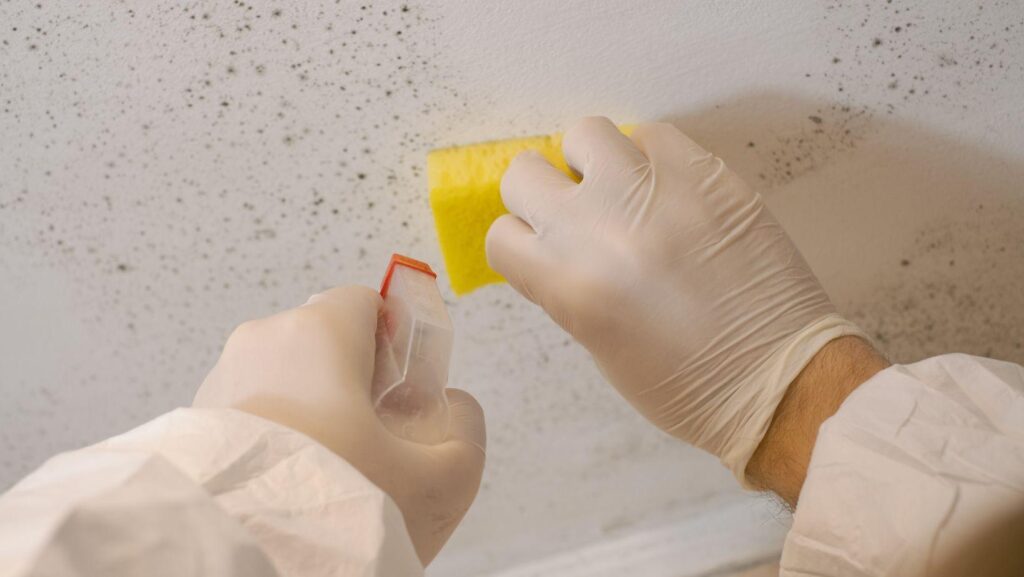
Before you start, treat mould like a substance you do not want to spread around the room. Open a window if you can, keep doors closed to limit drafts into the rest of the home, and wear gloves. If you are sensitive to strong smells or have asthma, a well-fitting mask and eye protection are sensible. Try not to dry-brush, as that can send spores airborne.
A reliable routine is simple: apply your chosen mould remover, allow enough contact time, wipe or rinse away, then dry the area thoroughly. If you want a step-by-step reference point, this guide on how to get rid of mould lays out a straightforward approach and what to watch for across common household surfaces.
Match the method to the surface
Different materials tolerate different treatments. Tile grout and silicone around baths can usually handle targeted mould removers, but soft plaster and painted surfaces may need gentler handling to avoid damage. Porous materials can hold staining even after the mould is dead, so judge success by whether growth returns rather than whether every mark disappears immediately.
Be cautious with folk remedies
You will see vinegar, bicarbonate of soda, and bleach recommended everywhere, often in the same breath, even though mixing or misusing chemicals can be risky. Bleach can lighten stains but may not penetrate porous surfaces effectively, and strong fumes are unpleasant in small bathrooms. If you use any product, follow the label instructions, ventilate well, and never combine cleaners.
The prevention plan that actually holds up week after week
Reduce moisture at the source
Think of daily moisture like invisible laundry drying in your air. Cooking, showers, and indoor clothes drying all add litres of water vapour. Use pan lids, run an extractor while cooking, and keep the bathroom fan on long enough after a shower for the mirror to clear. If you do not have extraction, cracking a window for even 10 minutes can make a noticeable difference.
Warm the cold spots that attract condensation
Mould loves corners because they are often colder than the rest of the wall, especially in rooms with uneven heating. A small shift can help: keep the door closed when heating a room so warmth stays put, avoid turning the heating off completely in seldom-used spaces, and consider moving furniture a few centimetres away from external walls to let air circulate.
Keep air moving, especially behind “quiet” areas
Stale air is a common thread in recurring mould stories. The mould patch behind the wardrobe is the classic example: clothes block airflow, the wall stays cool, and humidity builds. Leaving a small gap behind bulky furniture, using wardrobe vents, and not overfilling closets helps more than people expect. Even a habit like opening curtains fully each morning can let a cold, damp window area dry out faster.
Room-by-room habits that prevent repeat outbreaks
Bathroom: turn steam into a short event, not a lingering atmosphere
After bathing, squeegee tiles and glass, then run extraction or open a window. Wash bath mats regularly and hang them so they dry quickly. Check silicone edges around the tub and shower where mould likes to reappear, and address small regrowth early so it does not spread into a larger clean-up.
Bedroom: stop the “closed-room” cycle
Bedrooms often get mould because they are slept in with the door closed, then left shut all day. If you can, air the room for a short burst each morning and avoid pushing the bed hard against an outside wall. If you notice condensation on windows, wiping it away is not just cosmetic, it removes moisture that would otherwise soak into frames and seals.
Kitchen and utility spaces: manage cooking and drying moisture
Extractor fans matter most when you use them consistently. Run them from the start of cooking until a few minutes after you finish, and clean grease filters so airflow is not throttled. If you dry clothes indoors, concentrate them in one ventilated room, keep the door closed, and consider a dehumidifier during wet weather when windows stay shut.
When mould signals a bigger issue
If mould returns quickly after thorough cleaning, spreads across multiple rooms, or comes with persistent damp patches, flaking plaster, or a strong musty odour that never quite disappears, it may be time to look beyond surface treatment. Leaks, bridged damp-proof courses, inadequate ventilation, or insulation gaps can all create the conditions for recurring growth.
If anyone in the home experiences worsening respiratory symptoms around mouldy areas, treat it as a prompt to act sooner rather than later. A home should smell neutral, feel dry to the touch, and stay that way with ordinary daily habits. When it does not, the best next step is to identify where the moisture is entering or where it is getting trapped, then fix that root cause so cleaning becomes a one-off task, not a recurring weekend ritual.
About Author