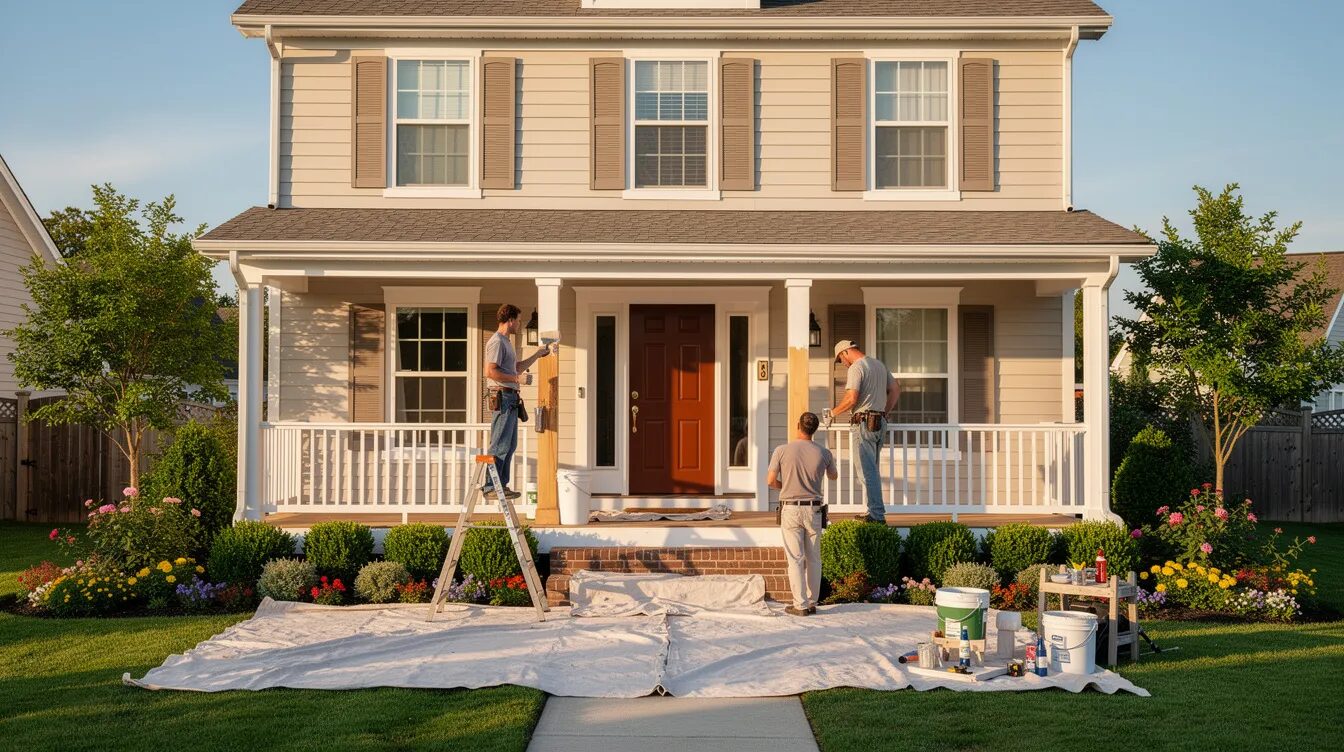
Improving curb appeal does not always mean tearing off siding, rebuilding the porch, or planning a complete transformation. Sometimes the house just needs the tired details to stop standing out.
A faded front door. Trim with chipped edges. Porch railings that look dull. Stains near the gutters. A garage door that takes up half the exterior but somehow looks forgotten.
That is where professional painting services can make a real difference. Not because every home needs a huge painting project, but because the right painting process helps create cleaner details, better quality, and a stronger first impression.
Start With Exterior Painting Details Around Doors and Trim
A fresh coat on the front door can change the entry fast. Repainting trim around windows can make siding look cleaner. Updating the garage door color can calm down a busy exterior. Even shutters, porch posts, and railings can make the house feel sharper when they are painted well.
Before planning a full exterior repaint, it helps to look at painting work that makes a stronger first impression. Sometimes the right small update does more than a bigger project done in the wrong place.
Professional painters usually pick up on more than the obvious color choice. An experienced team of house painters can notice tired caulk, rough surfaces, stains, sanding needs, brush marks, uneven spots, and anything that could affect the final result after sun, weather, and daily use.
Color Selection Is Not Just Taste, Even With Sherwin-Williams Paints
Choosing a color can look simple from a paint chart. The house tells a different story. A creamy white may turn yellow in shaded light. A dark green can look polished online and too heavy outside. Gray can absolutely work, but only when it fits the fixed materials around it. If it fights the roof, brick, stone, or landscaping, the whole home can look flatter than expected.
A good exterior palette usually has to account for:
That is where professional painters help. Their expertise gives them the ability to study the lighting, fixed materials, trim, doors, and style of the house before building a palette that actually fits. Sherwin-Williams and other paint brands offer plenty of good colors, but the can alone does not do the whole job. The prep, finish, material compatibility, and workmanship matter just as much.
Interior painting often comes down to the room’s purpose and how the space fits into a daily routine. Exterior painting carries more pressure. Painters need to think about moisture, sun exposure, siding, doors, and how those surfaces will change as they age.
Prep Is Where the Job Is Won
Color gets most of the attention, but surface preparation is what carries the paint job. Before the paint is opened, the surface needs enough attention to help achieve a smooth finish that holds up.
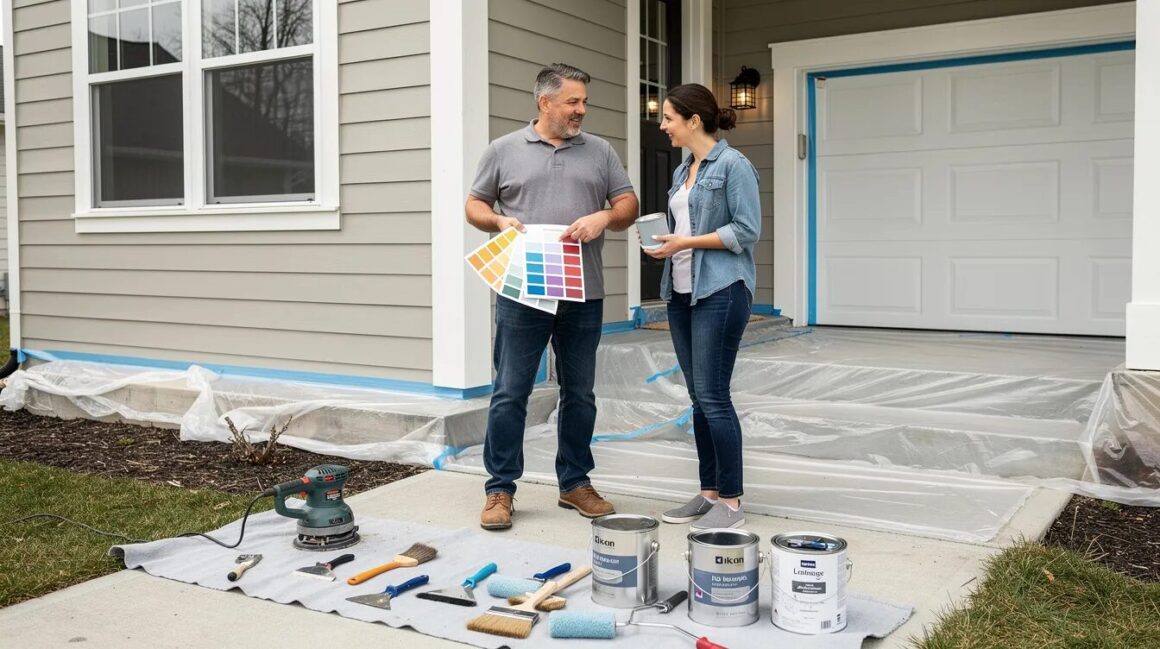
That may mean cleaning, scraping, sanding, filling small cracks, dealing with drywall issues, checking dents, and using primer so patched areas disappear into the wall. On an exterior project, painters may also cover plants, protect walkways with drop cloths, maintain safe access around the work area, and remove peeling paint instead of burying it.
This is the part that makes many DIY jobs slow down fast. The brushwork seems manageable. The prep is slower, more detailed, and much easier to get wrong.
Professional painters bring specialized tools, proper equipment, and materials suited to the surface. Done well, sanding and priming support a flawless outcome and help prevent the kind of early peeling that can ruin an otherwise decent paint job.
When Hiring Professional Painters Makes Sense for a House Painting Project
Some jobs are fine for homeowners. A powder room. One accent wall. A small door touch-up. Larger house painting projects are different. Moving furniture, covering floors, buying materials, cleaning brushes, fixing mistakes, and keeping family life away from wet paint can eat up valuable time fast.
Hiring professional painting can improve cost effectiveness when the scope is larger than expected. The benefits are practical: fewer mistakes, better coverage, and less wasted material. Mistakes cost money. So does skipping primer, choosing the wrong sheen, or repainting because the first attempt did not cover properly.
A larger project can also involve details homeowners may not think about at first:
For residential painting services, the painting company should explain the scope clearly so expectations are set before the first day of work. What is included? What materials will be used? How will surfaces be protected? Will customers have clear access during the work? What is the schedule? What if the weather does not cooperate?
That is something good painting contractors should talk through before work begins. The estimate should be detailed, the process should be clear, and the company should carry proper insurance. Homeowners can also search for proof of licensing, insurance, and a workmanship warranty, since those details offer more peace of mind once the paint has dried and the crew has left.
Small Exterior Updates That Pull the House Together
Some homes do not need a full exterior repaint right away. Sometimes smaller updates are enough, especially after a pressure-free consultation shows which details are doing the most visual damage.
Repaint the front door. Freshen trim. Update the garage door. Touch up porch columns. Clean stains near gutters. Repaint shutters or railings. Choose one stronger accent color if the house needs more definition.
When several details look worn at once, professional exterior painting services can give the exterior a cleaner, more finished look without changing the structure. The same principle can apply to a business storefront or commercial property, where paint affects how visitors read the building before they step inside.
Curb appeal is not only about making a house look expensive. It is about making it look maintained. Better paint, careful prep, smarter color choices, and experienced painters can make the exterior feel cleaner, calmer, and easier to like from the street. That visible care also shows pride in the property, which is why the painting industry continues to focus on preparation, durability, and finish quality rather than color alone.
About Author